



Fast Self-Service for Facebook Users.
24/7 online service available to all customers.
To avoid waiting time online, you could submit a ticket to us, our agent will respond within 1 business day.


Fast Self-Service for Facebook Users.
24/7 online service available to all customers.
To avoid waiting time online, you could submit a ticket to us, our agent will respond within 1 business day.
Sign In / Register
My Balance
Modlily Club
Sign in for the best experience
Processing
Please enter a valid number
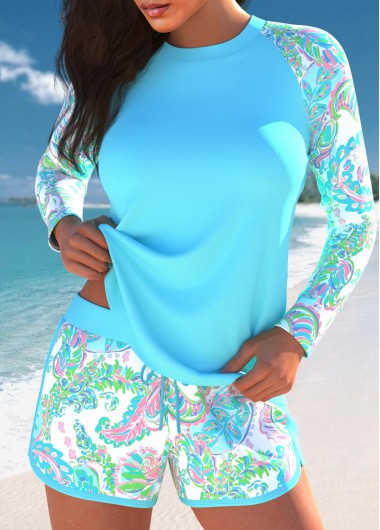

I absolutely love this suit. The fit was spot on and does not fade. I highly recommend it.
 MODLILY CLUB
% Off
MODLILY CLUB
% Off
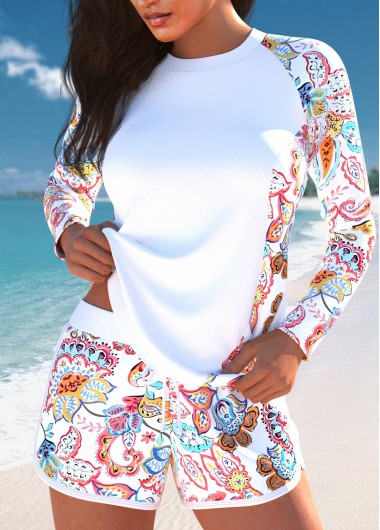
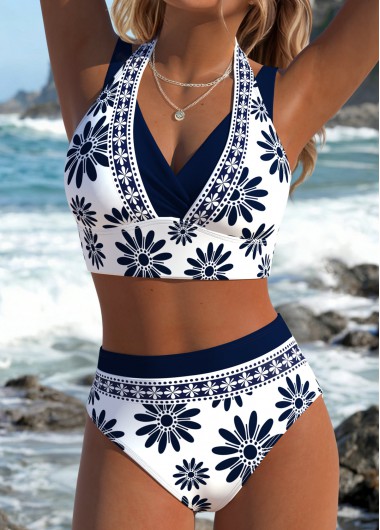
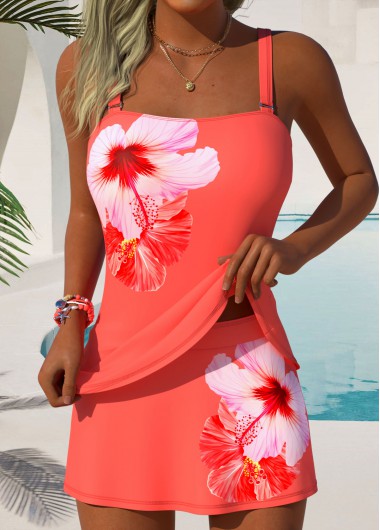
This suit is super cute, nice fit. I especially like that the top has a built in bra. love it!
MODLILY CLUB
% Off
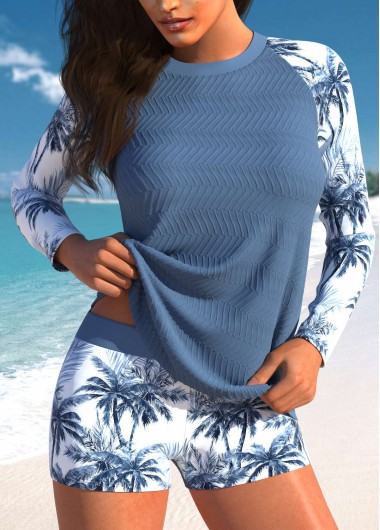
Happy to find these long sleeved sets that give me the sun protection I need and still feel sexy.
MODLILY CLUB
% Off

Three reasons, and the name only covers one of them.
Board rash is where the garment came from. Lying and paddling on a waxed board puts your ribs, chest and hip bones against a hard abrasive surface for however long a session lasts. Skin loses. Rash guard swimwear puts fabric in between, which is why surfers wore them first.
Sun. The shoulders and upper back take the most direct exposure of any part of the body when you are upright or sitting on a board, and they are the hardest place to reapply sunscreen. Fabric does not wash off after every wave.
Warmth. In cooler water a covered torso extends a session considerably. It is no substitute for a wetsuit, but it does buy you an extra twenty minutes before the cold wins.
This is the most common question about rash guards and there are two answers depending on the garment.
Most rash guards go over a swimsuit. A bikini top underneath is the standard approach — it provides the support, the rash guard provides the coverage. A one-piece underneath works too and is what most surfers actually do, since it means nothing shifts if the rash guard rides up.
Some have a shelf bra or removable cups built in, which means they can be worn on their own with just a bottom. These are worth seeking out if you dislike layers, though the built-in support is usually lighter than a dedicated top would give. Check the description for "built-in bra" or "removable cups" — if neither appears, plan on wearing something underneath.
One thing to rule out: an ordinary bra. It stays wet long after the rest has dried, the outline shows through, and chlorine eats bra elastic far quicker than swim elastic.
Long sleeves cover the arms entirely and are the standard choice if sun is your reason. Short sleeves cover the shoulder cap — the first place to burn — while staying cooler, which suits a hot day where you are mostly in and out of water rather than sitting for hours.
Fit is where people go wrong. A rash guard should be snug rather than loose: fabric that floats away from the body creates drag, fills with water on impact, and rides up when you paddle. Caught between two sizes and planning to swim in it? Take the smaller one. If you are buying it primarily as a beach cover layer, the looser fit is more comfortable — but it will not stay put in surf.
A stated UPF figure is measured dry and unstretched: a ceiling, not a promise. See our sun protection page for judging one without it.
No — it is a layer worn over one. Unless it mentions a shelf bra or removable cups there is no bust support in it — that, not the sleeves, separates the two.
You can swim in one though — that is what it was built for: cut close, in swim fabric, and chlorine-tolerant.
Since a rash guard only handles the torso, the bottom is its own choice. Board shorts are the natural pairing for surf — longer, firmer, and they protect the thighs against the same board. Swim shorts cover a similar area with a softer cut for general swimming. A high-waisted brief gives the cleanest line if you want minimum bulk under a fitted top.
Prefer it all in one piece? A long sleeve one piece does the same job without layering, and our surf range covers the styles built specifically for waves.

Create Account
Create password to get more coupons!
$100 OFF
New Members only!
Create Account
Create password to get more coupons!
$100 OFF
New Members only!
$20 OFF
for text subscribe

*It includes 4 coupons
Expired:
CODE:
Expired:
Fast Self-Service for Facebook Users.
24/7 online service available to all customers.
To avoid waiting time online, you could submit a ticket to us, our agent will respond within 1 business day.