



Fast Self-Service for Facebook Users.
24/7 online service available to all customers.
To avoid waiting time online, you could submit a ticket to us, our agent will respond within 1 business day.


Fast Self-Service for Facebook Users.
24/7 online service available to all customers.
To avoid waiting time online, you could submit a ticket to us, our agent will respond within 1 business day.
Sign In / Register
My Balance
Modlily Club
Sign in for the best experience
Processing
 Multi Color
Hot Pink
Royal Blue
Orange
Grey
Red
Yellow
Coral
Brown
Beige
Wine Red
Multi Color
Hot Pink
Royal Blue
Orange
Grey
Red
Yellow
Coral
Brown
Beige
Wine Red Please enter a valid number

 MODLILY CLUB % Off
 MODLILY CLUB % Off
 MODLILY CLUB % Off
 MODLILY CLUB % Off
 MODLILY CLUB % Off
 MODLILY CLUB % Off
 MODLILY CLUB % Off
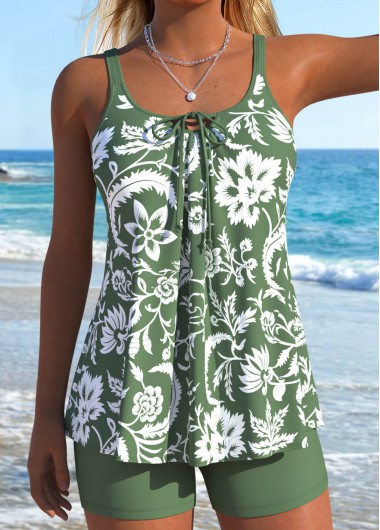 MODLILY CLUB % Off
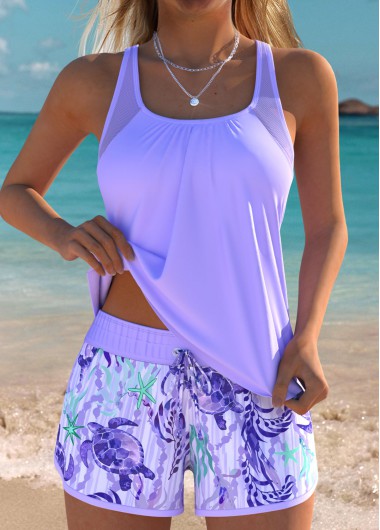 MODLILY CLUB % Off
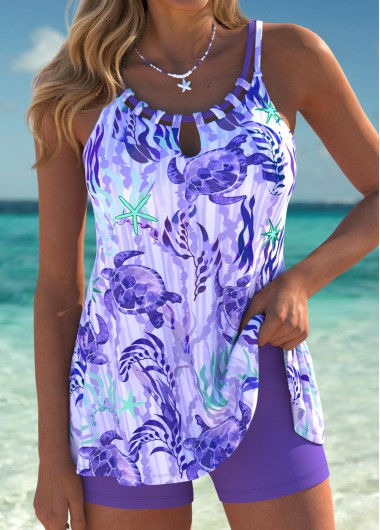 MODLILY CLUB % Off
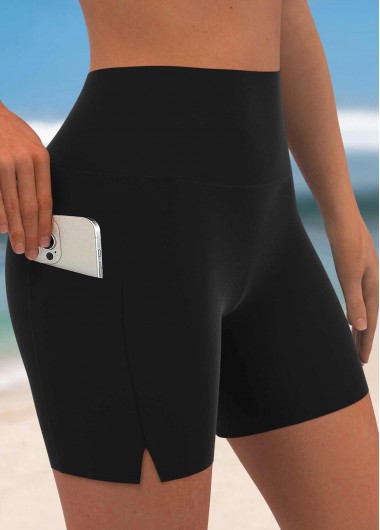 MODLILY CLUB % Off
 MODLILY CLUB % Off
 MODLILY CLUB % Off
 MODLILY CLUB % Off
 MODLILY CLUB % Off
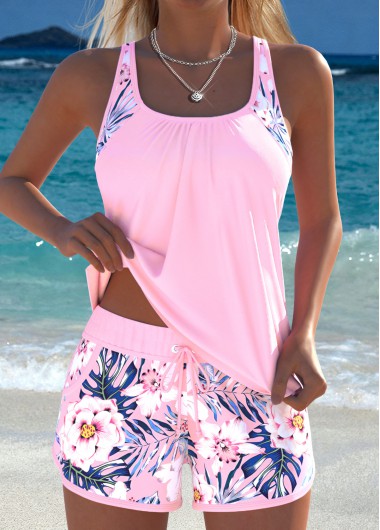 MODLILY CLUB % Off
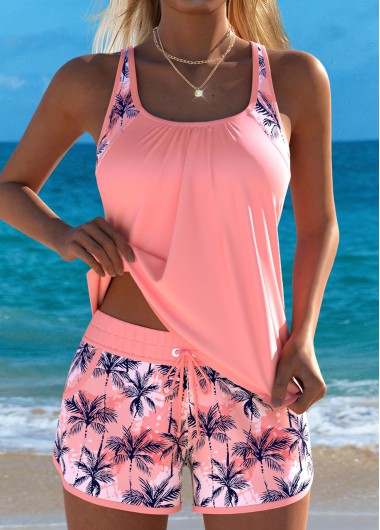 MODLILY CLUB % Off
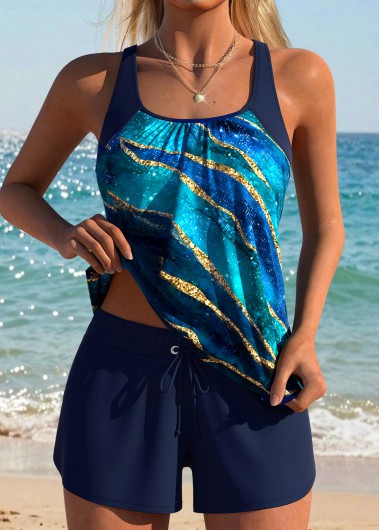 MODLILY CLUB % Off
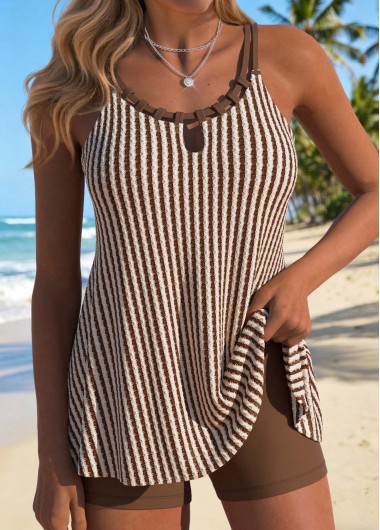 MODLILY CLUB % Off
 MODLILY CLUB % Off
 MODLILY CLUB % Off
 MODLILY CLUB % Off
 MODLILY CLUB % Off
 MODLILY CLUB % Off
 MODLILY CLUB % Off
 MODLILY CLUB % Off
 MODLILY CLUB % Off
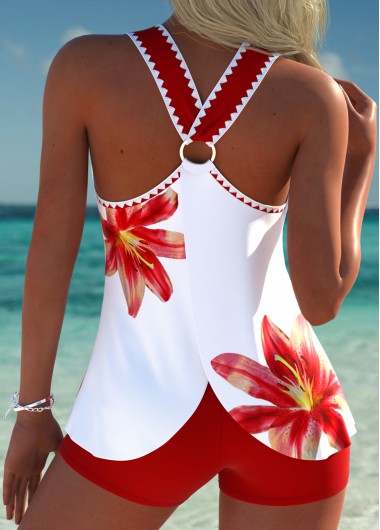 MODLILY CLUB % Off
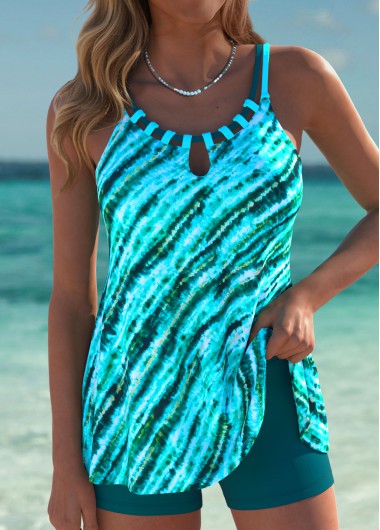 MODLILY CLUB % Off
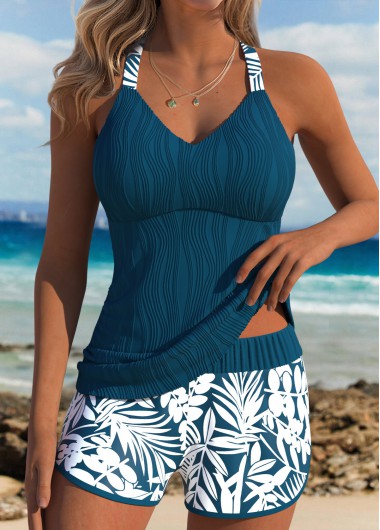 MODLILY CLUB % Off
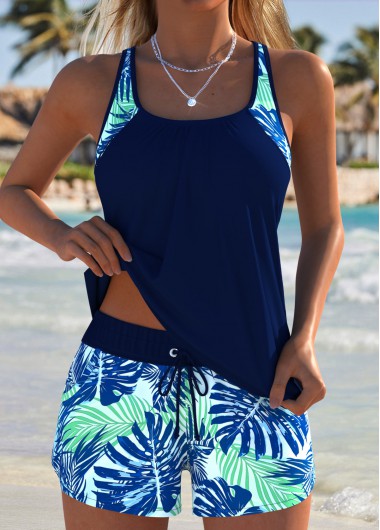 MODLILY CLUB % Off
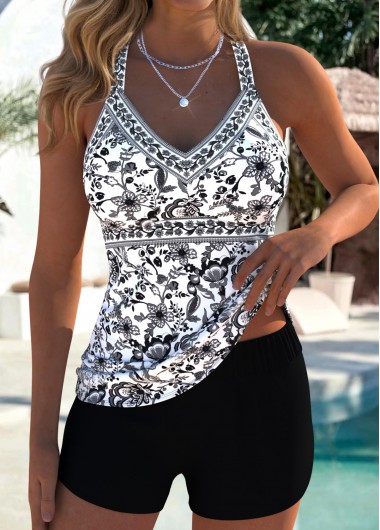 MODLILY CLUB % Off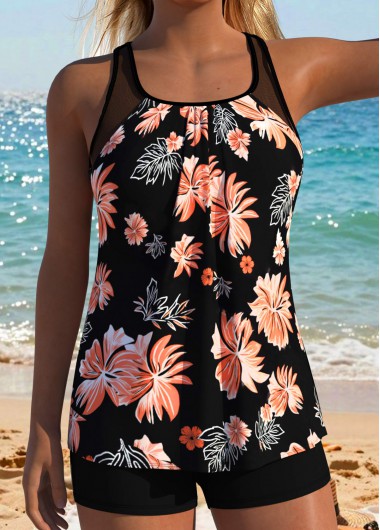
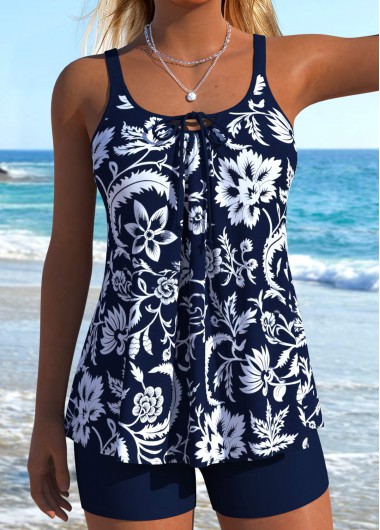
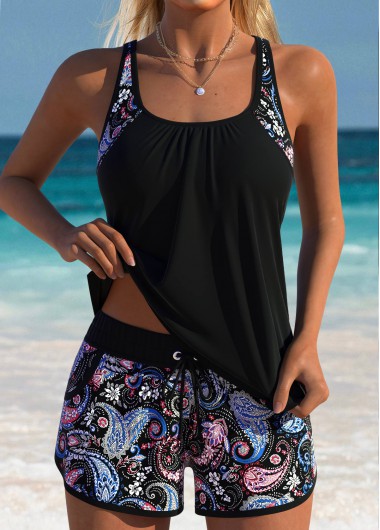
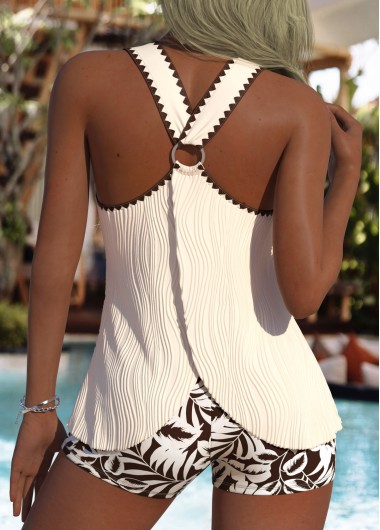
Black Mid Waisted Patchwork Floral Print Tankini Set
MODLILY CLUB % Off MODLILY CLUB % Off
 MODLILY CLUB % Off
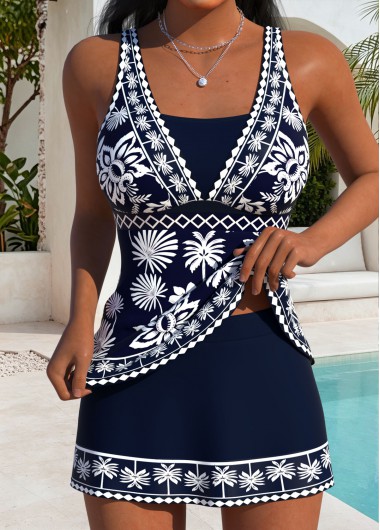 MODLILY CLUB % Off
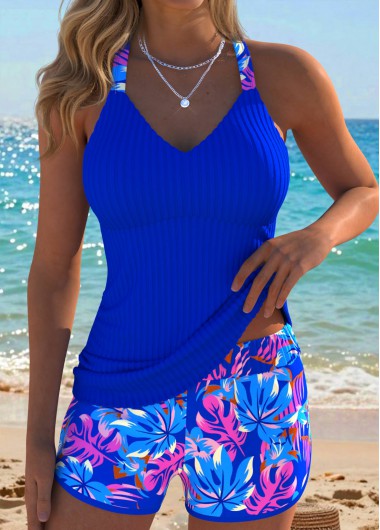 MODLILY CLUB % Off
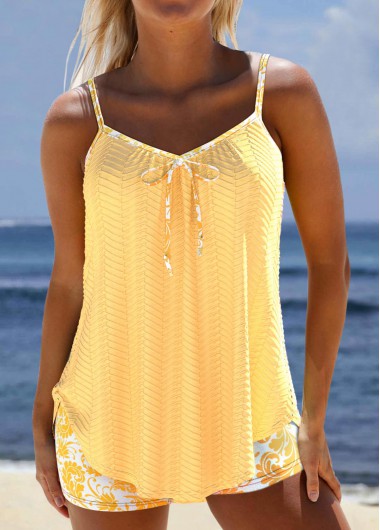 MODLILY CLUB % Off
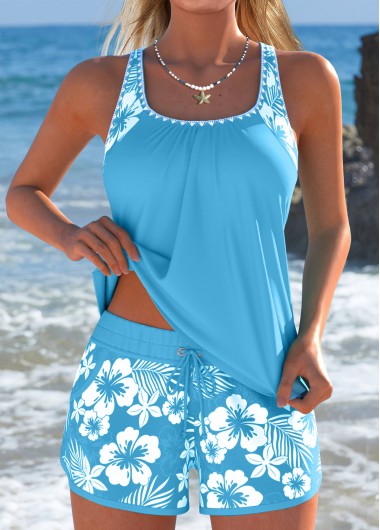 MODLILY CLUB % Off
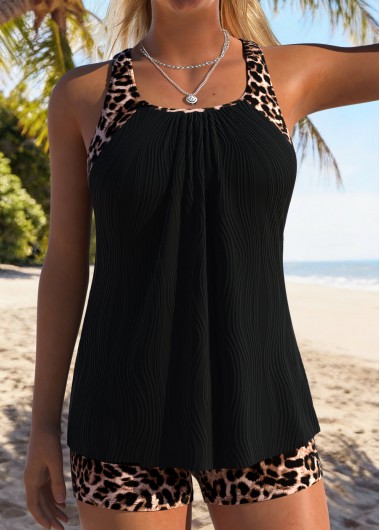 MODLILY CLUB % Off
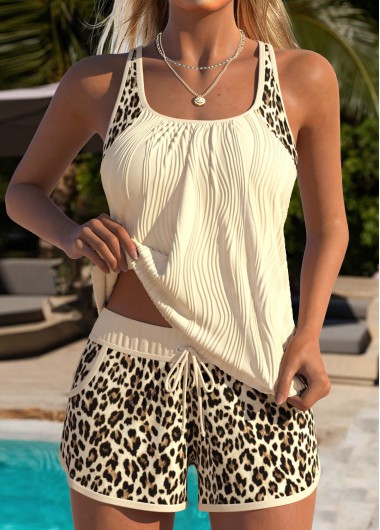 MODLILY CLUB % Off
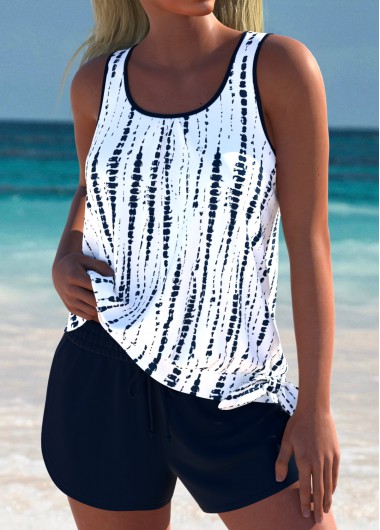 MODLILY CLUB % Off
 MODLILY CLUB % Off
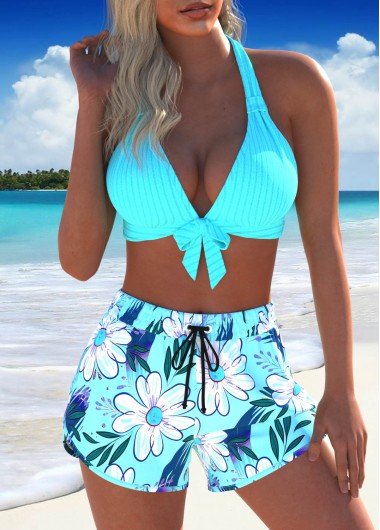 MODLILY CLUB % Off
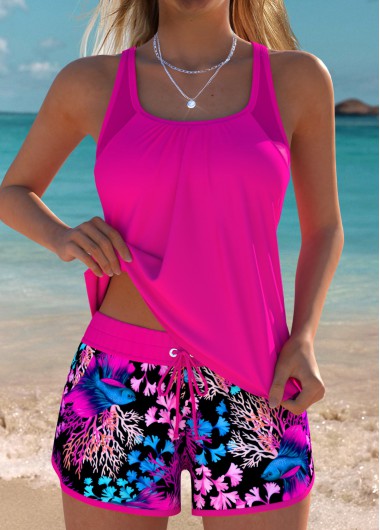 MODLILY CLUB % Off
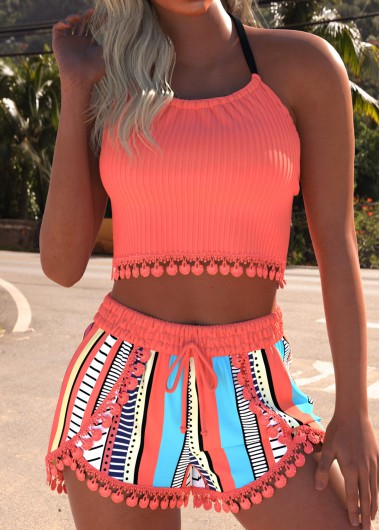 MODLILY CLUB % Off
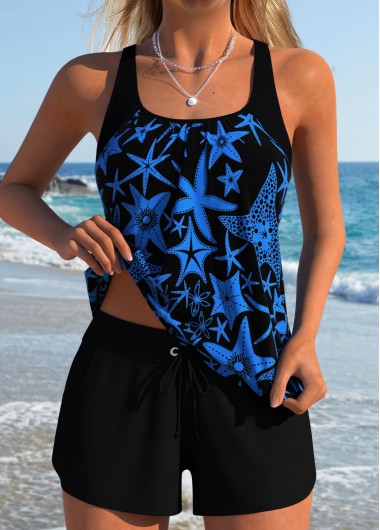 MODLILY CLUB % Off
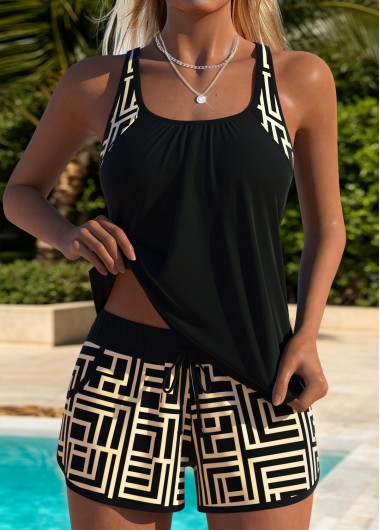 MODLILY CLUB % Off
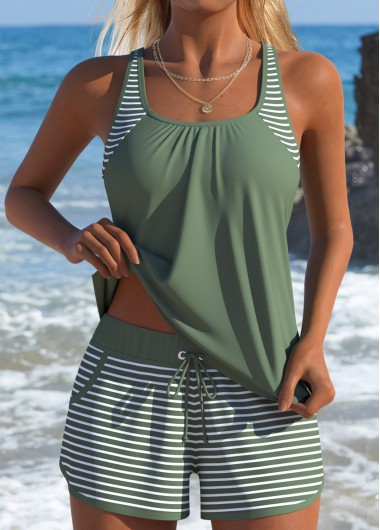 MODLILY CLUB % Off
 MODLILY CLUB % Off
 MODLILY CLUB % Off
 MODLILY CLUB % Off
 MODLILY CLUB % Off
 MODLILY CLUB % Off
 MODLILY CLUB % Off
 MODLILY CLUB % Off
 MODLILY CLUB % Off
 MODLILY CLUB % Off
 MODLILY CLUB % Off
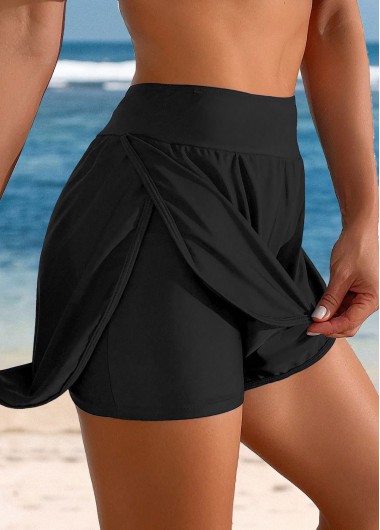 MODLILY CLUB % Off
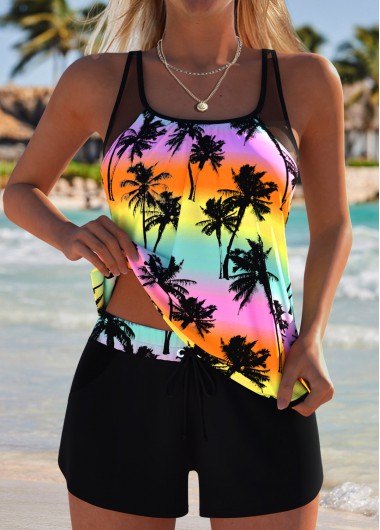 MODLILY CLUB % Off
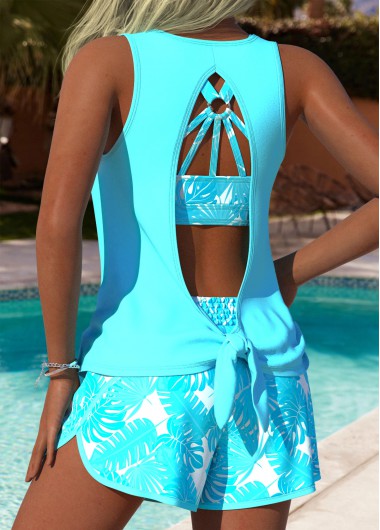 MODLILY CLUB % Off
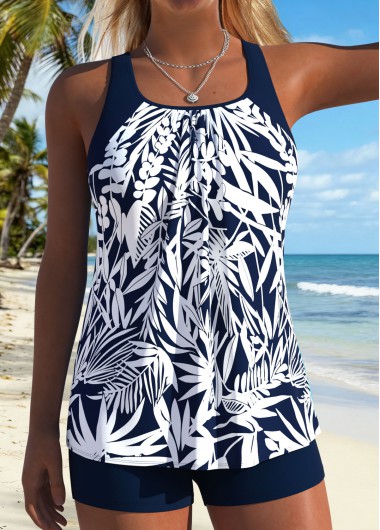 MODLILY CLUB % Off
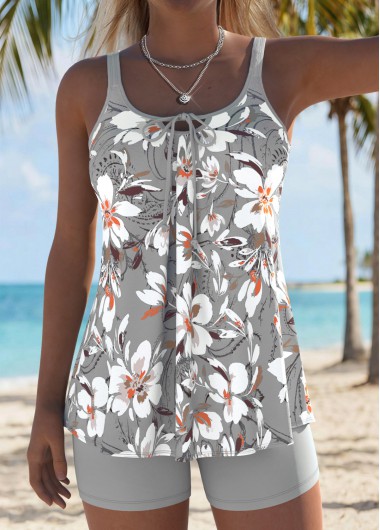 MODLILY CLUB % Off
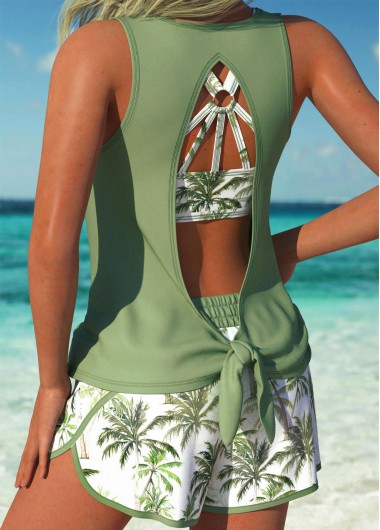 MODLILY CLUB % Off
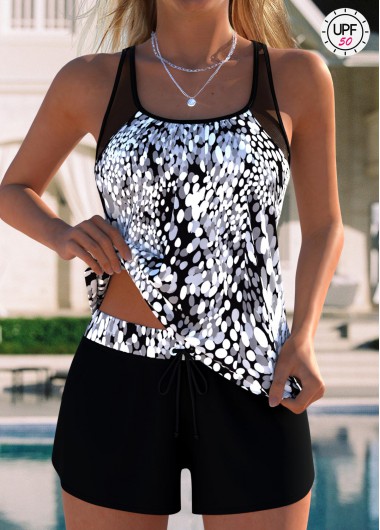 MODLILY CLUB % Off
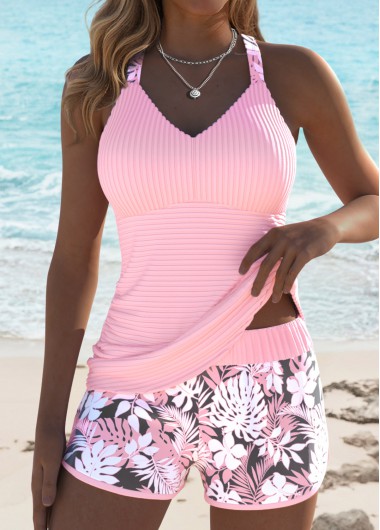 MODLILY CLUB % Off
 MODLILY CLUB % Off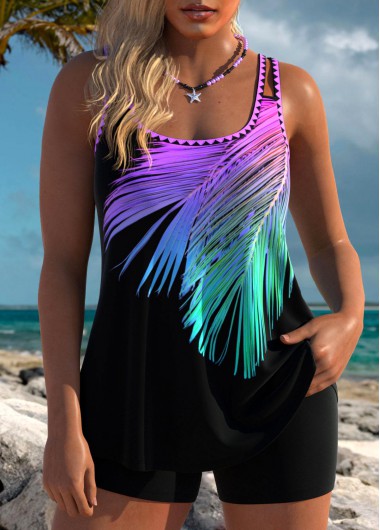
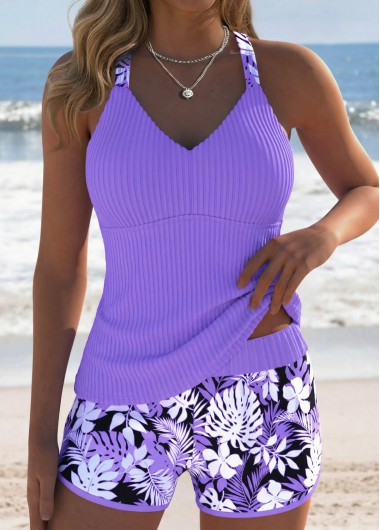
Tummy Coverage Leaf Print Purple Tankini Set
MODLILY CLUB % Off MODLILY CLUB % Off
 MODLILY CLUB % Off
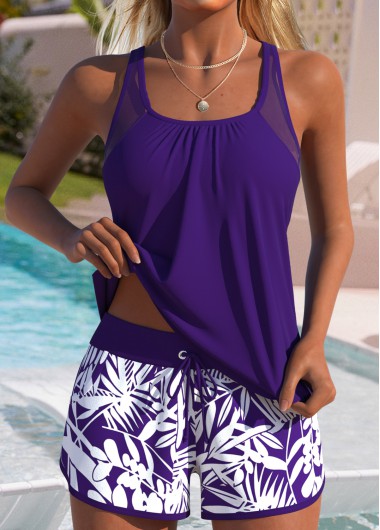 MODLILY CLUB % Off
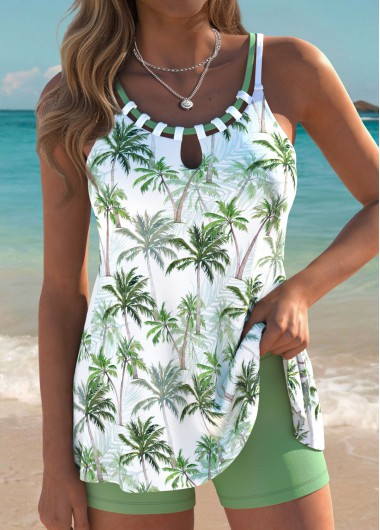 MODLILY CLUB % Off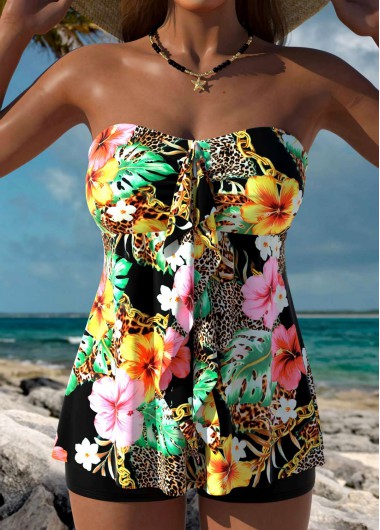
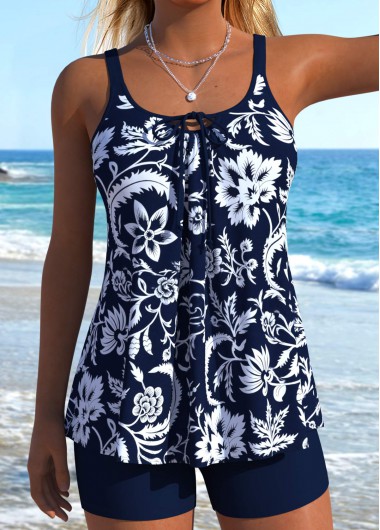
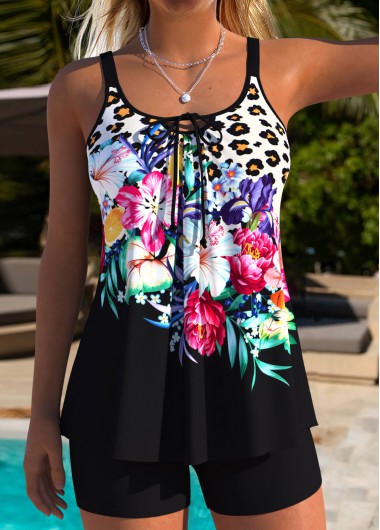
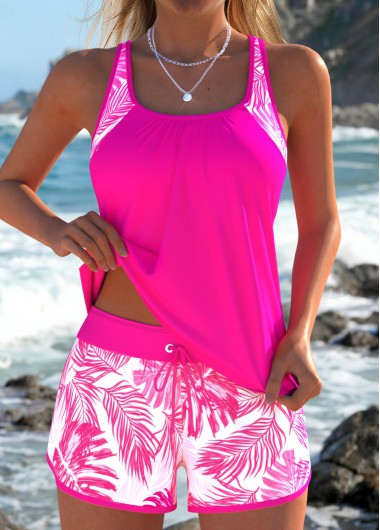
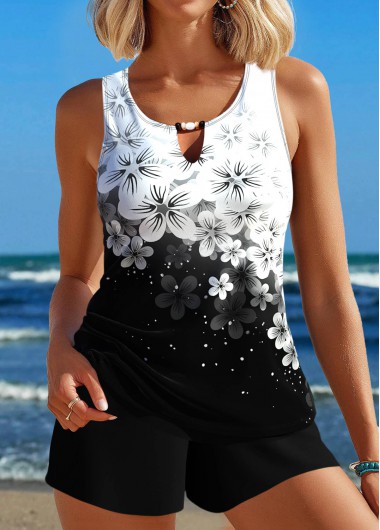
Tummy Coverage Floral Print Black Tankini Set
MODLILY CLUB % Off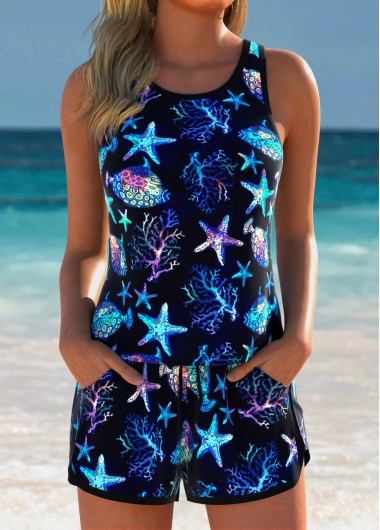 MODLILY CLUB % Off
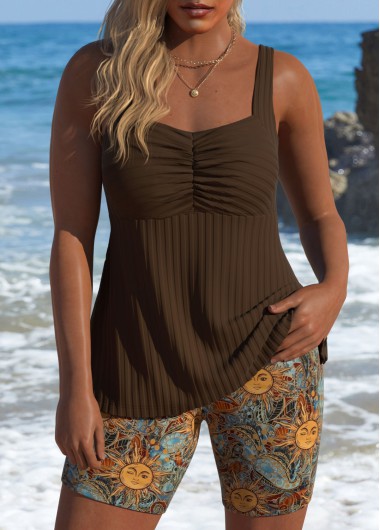 MODLILY CLUB % Off
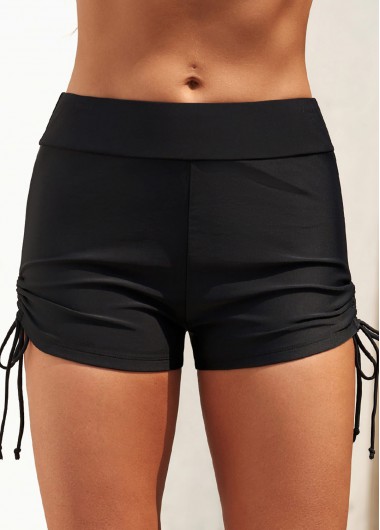 MODLILY CLUB % Off
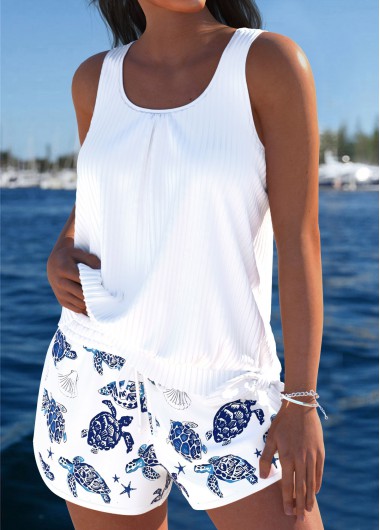 MODLILY CLUB % Off
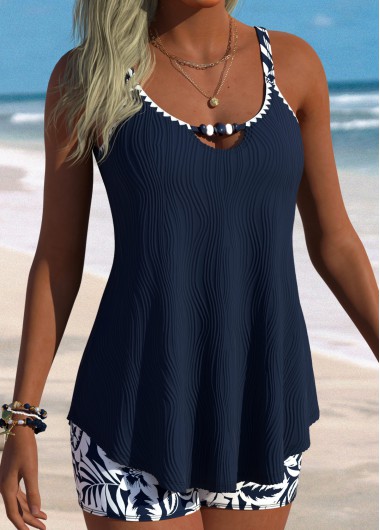 MODLILY CLUB % Off
 MODLILY CLUB % Off
 MODLILY CLUB % Off
 MODLILY CLUB % Off
 MODLILY CLUB % Off
 MODLILY CLUB % Off
 MODLILY CLUB % Off
 MODLILY CLUB % Off
 MODLILY CLUB % Off
 MODLILY CLUB % Off
 MODLILY CLUB % Off
 MODLILY CLUB % Off
 MODLILY CLUB % Off
 MODLILY CLUB % Off
 MODLILY CLUB % Off
 MODLILY CLUB % Off
 MODLILY CLUB % Off
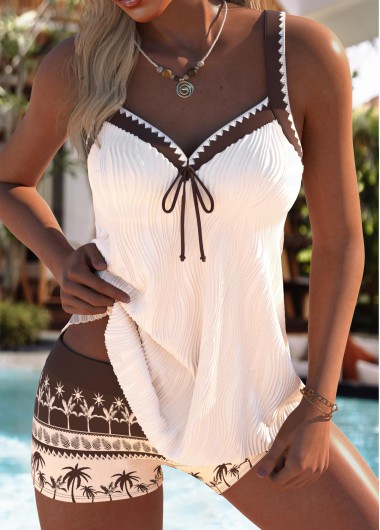 MODLILY CLUB % Off
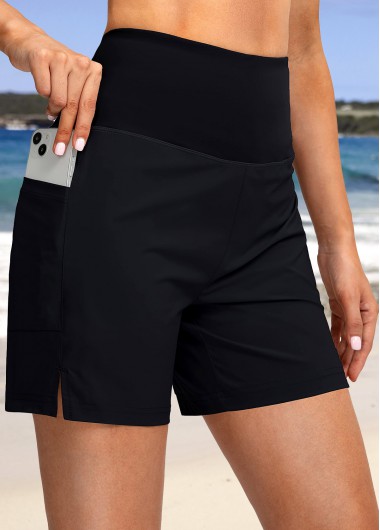 MODLILY CLUB % Off
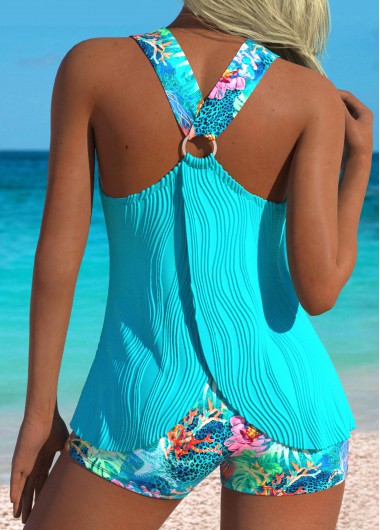 MODLILY CLUB % Off
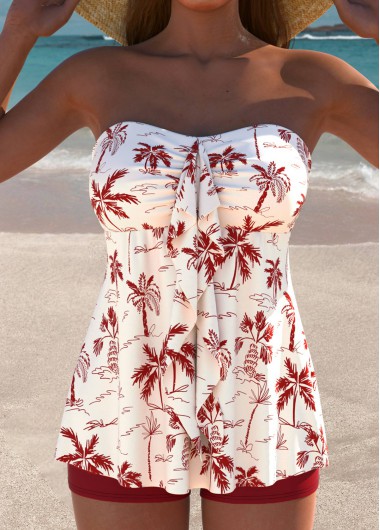 MODLILY CLUB % Off
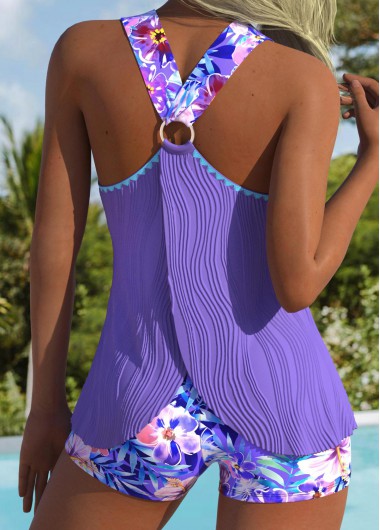 MODLILY CLUB % Off
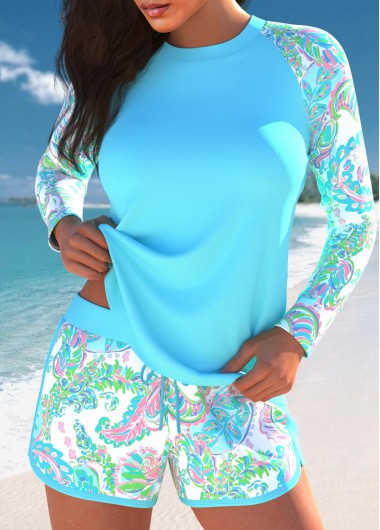 MODLILY CLUB % Off
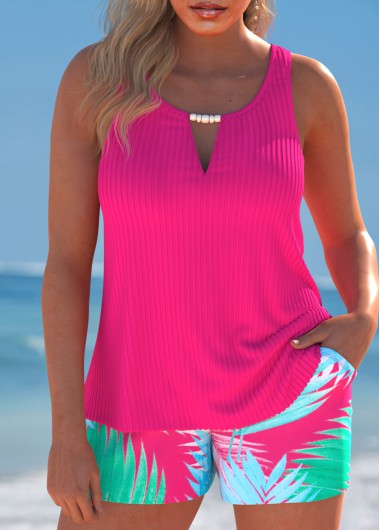 MODLILY CLUB % Off
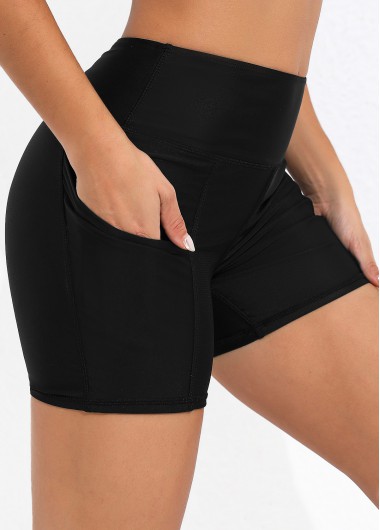 MODLILY CLUB % Off
 MODLILY CLUB % Off
 MODLILY CLUB % Off
 MODLILY CLUB % Off
 MODLILY CLUB % Off
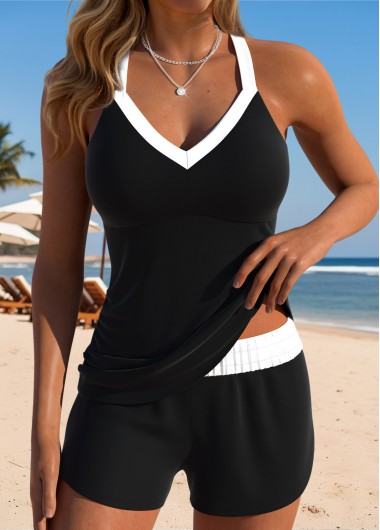 MODLILY CLUB % Off
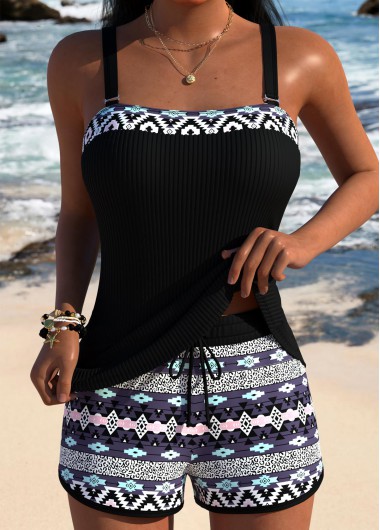 MODLILY CLUB % Off
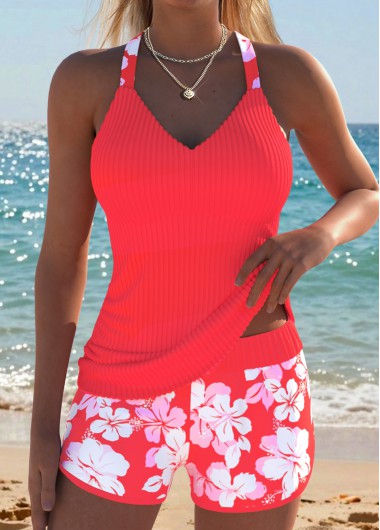 MODLILY CLUB % Off
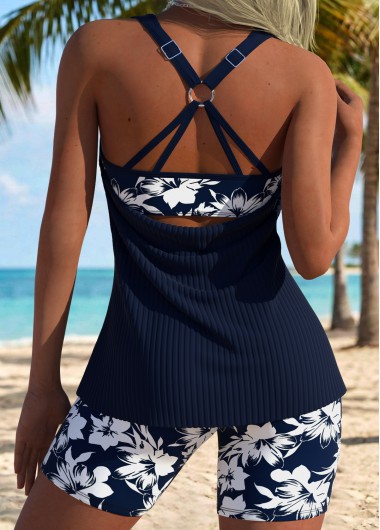 MODLILY CLUB % Off
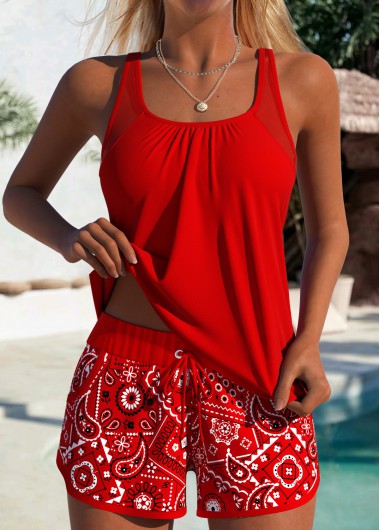 MODLILY CLUB % Off
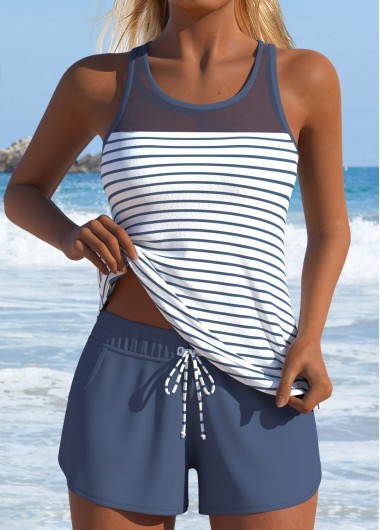 MODLILY CLUB % Off
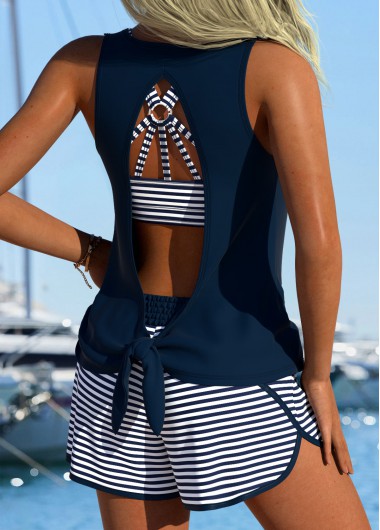 MODLILY CLUB % Off
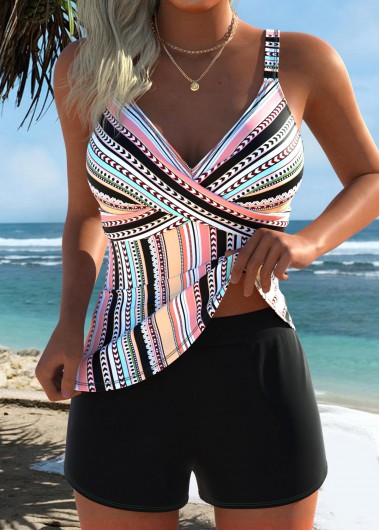 MODLILY CLUB % Off
 MODLILY CLUB % Off
 MODLILY CLUB % Off
 MODLILY CLUB % Off
 MODLILY CLUB % Off
 MODLILY CLUB % Off
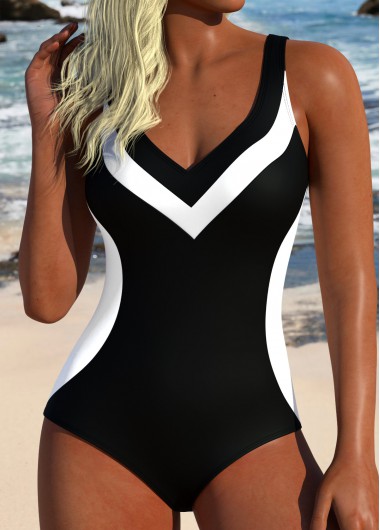
Overwhelmingly a one-piece, and the reason is not modesty or style — it is that a wave will remove a bikini.
The force of water hitting you after a wipeout is considerable and it comes from below and behind. Ties come undone, bandeau bands slide down, and triangle tops move sideways. A one-piece has nothing to come apart, which is why almost every surf-specific suit made is one, and why the ones that are two-piece use crossed straps and firm bands rather than ties.
Beyond the suit itself, most surfers add a rash guard for the chest and a pair of board shorts for the thighs. Those two pieces address board rash, which is the injury nobody mentions until it has happened to them.
Surfing swimwear has one requirement above the rest: it has to stay exactly where you put it through a wipeout.
Three specific reasons, all structural.
Nothing to lose. A single garment cannot separate at the waist regardless of what the water does. That alone accounts for most of the preference.
The straps stay. Surf-cut one-pieces use racerback or crossed strap layouts where the pull converges between the shoulder blades. Parallel shoulder straps slide outward under exactly the overhead movement paddling requires — see our athletic styles for the same layout.
Ribs and hips. Lying on a board puts your ribcage and hip bones directly against a hard waxed surface for however long you are paddling. A one-piece keeps fabric between the two; a bikini leaves the midsection exposed to it.
These two pieces do the jobs a swimsuit alone cannot, and they are worth buying properly rather than approximating.
Chest, shoulders and upper arms are what a rash guard covers. It stops board rash, and it handles sun over the hours a surf session actually takes — the shoulders and upper back get the most direct exposure of any part of the body while you are sitting on a board waiting. A long sleeve style does the same in a one-piece cut if you would rather not layer.
Board shorts protect the thighs and inner leg. They are cut longer and firmer than standard swim shorts for a reason: the fabric needs to resist abrasion rather than only dry quickly, and a loose leg would ride up on a board.
Nothing, almost always. Ordinary underwear is what to rule out: cotton holds water, and a clasp sits between you and the board.
If the suit does not hold you securely, use a sports-cut swim top, not a bra. If the worry is the suit moving, that is the strap layout's job.
Surf fit is tighter than beach fit, and that is deliberate rather than a sizing error.
The suit should be snug enough that water flowing over it does not lift the fabric. Anything loose creates drag and, more annoyingly, fills with water on impact. Check the leg opening in particular — a high-cut leg on a surf suit rides up when you sit on a board, while a lower straighter cut stays put.
The back matters too. A high back with crossed straps holds through overhead paddling; a low or open back does not, and will shift on the first duck dive. If you are between sizes for surfing specifically, size down rather than up — the opposite of general swimwear advice, because a snug suit is what stops the water getting in. For the same structure applied to general swimming rather than surf, browse our one piece swimwear.

Create Account
Create password to get more coupons!
$100 OFF
New Members only!
Create Account
Create password to get more coupons!
$100 OFF
New Members only!
$20 OFF
for text subscribe

*It includes 4 coupons
Expired:
CODE:
Expired:
Fast Self-Service for Facebook Users.
24/7 online service available to all customers.
To avoid waiting time online, you could submit a ticket to us, our agent will respond within 1 business day.