



Fast Self-Service for Facebook Users.
24/7 online service available to all customers.
To avoid waiting time online, you could submit a ticket to us, our agent will respond within 1 business day.


Fast Self-Service for Facebook Users.
24/7 online service available to all customers.
To avoid waiting time online, you could submit a ticket to us, our agent will respond within 1 business day.
Sign In / Register
My Balance
Modlily Club
Sign in for the best experience
Processing
 Multi Color
Black
Navy Blue
Camel
Grey
White
Please enter a valid number


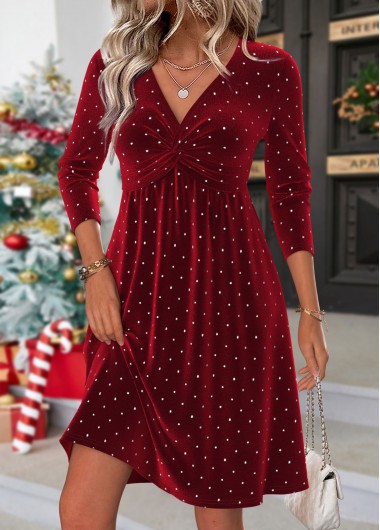
I wasn’t sure at first how this would look, but people stopped in the communion line to compliment me on it. One woman stated it was the loveliest of all of the dresses I had worn! A Big Hit. The fit is perfect! Thank you!
 MODLILY CLUB
% Off

I bought this to wear to my friend's reception. Absolutely love this dress!
MODLILY CLUB
% Off

Very pretty.
MODLILY CLUB
% Off

I love this dress most of all! I feel like a Princess in it. The size is perfect! So many people complimented me. I do all of my shopping from this site for dresses, bathing suits and shirts. I just love it!
MODLILY CLUB
% Off

Very comfy, well made.
MODLILY CLUB
% Off
 MODLILY CLUB
% Off
 MODLILY CLUB
% Off
 MODLILY CLUB
% Off
 MODLILY CLUB
% Off
 MODLILY CLUB
% Off
 MODLILY CLUB
% Off
 MODLILY CLUB
% Off
 MODLILY CLUB
% Off
 MODLILY CLUB
% Off
 MODLILY CLUB
% Off
 MODLILY CLUB
% Off
 MODLILY CLUB
% Off
 MODLILY CLUB
% Off
 MODLILY CLUB
% Off
 MODLILY CLUB
% Off
 MODLILY CLUB
% Off
 MODLILY CLUB
% Off
 MODLILY CLUB
% Off
 MODLILY CLUB
% Off
 MODLILY CLUB
% Off
 MODLILY CLUB
% Off
 MODLILY CLUB
% Off

Many dresses can be altered to include pockets, but the suitable method depends on their construction. An in-seam pocket uses an opening within a seam, with its bag sitting inside the skirt. A patch pocket is attached to the outside and becomes a visible part of the design. Neither approach is automatically suitable for every dress. Before choosing an alteration, decide whether you want a discreet opening, a visible pocket shape or simply somewhere to rest your hands.
Space through the hip is particularly relevant to an in-seam addition. Pocket bags introduce another layer inside the garment; on a closely fitted skirt, that extra volume may change the outline. A widening skirt can offer a different starting point, which is one reason to compare a line dresses if that silhouette also appeals to you. The decision still belongs to the particular garment, including its fabric and seams. A flared category name cannot establish that an existing dress will accept any pocket you choose.
The proposed opening needs a usable position, and the pocket bag needs room below it. On a short skirt, check that the internal bag would remain above the hem. A waist seam, lining or existing closure can affect how the alteration is approached. A dressmaker can assess those relationships on the actual garment. Taking in a dress you already own is more useful than asking for one universal pocket measurement without reference to its cut.
The visual result deserves consideration before any sewing begins. An outside pocket might interrupt a flower or stripe that you particularly like, whereas an in-seam opening has another relationship with the pattern. For a collared garment, shirt dresses provides a shirt-dress direction to compare. You may decide that a design already described with pockets is the better starting point, especially when the original front and skirt shape are the reason you want the dress.
A good work choice begins with the office's expected level of dress, then adds the pocket feature you want. A light-blue striped short-sleeve shift dress named with pockets and a yellow floral pocket A-line dress give two different design directions. The first combines a striped surface with a shift outline; the second combines flowers with an expanding skirt. Choose between those actual features alongside the pocket, rather than treating storage as the only part of the outfit that matters.
Pocket type affects what you see at the front of a work outfit. An external patch pocket creates an additional edge over the fabric. An opening within the side seam can leave the front surface less interrupted. These are construction descriptions, not promises about every design in the collection. cotton summer dresses develops a specific cotton-and-patch-pocket example; work dresses keeps the wider workplace question central. Look for the named feature in the individual dress rather than assuming that an apparently plain front has no pockets.
Think about what you would actually put in the pocket and how you use it at a desk. A phone, a key and a folded note place different demands on its size and opening. The word pocket does not establish capacity or a fastening. Check those details before expecting it to replace your bag. If the workplace uses a business-casual standard, business casual dresses offers that closer comparison, with the particular dress's neckline, hem and decoration remaining part of the decision.
A cardigan or jacket can also cover the opening or alter how you reach it. Assess that relationship with the outer piece you intend to wear. Keeping the pocket accessible is a different question from choosing a matching accessory. Outside work, house dresses explores house-dress details and closures if everyday use at home is the main priority. In either setting, the pocket should complement the garment you like, without a claim that every pocket-bearing dress performs the same job.
There was no single moment when pockets disappeared from all women's dresses. The Victoria and Albert Museum records separate tie-on pockets that were common from around the middle of the seventeenth century through the nineteenth century and, in some cases, later. Worn at the waist, they could be reached through openings in clothing. They existed alongside bags and other pocket arrangements. That history is different from imagining that every earlier dress had modern sewn-in pockets which were all removed at once.
A contemporary dress can include a pocket as an internal construction or an outside design feature. Whether one is present should be established from that dress, not from a simplified story about the whole category. The questions above provide a more useful shopping sequence: identify the actual pocket, consider what you need from it, then judge its relationship with the garment. That keeps a practical feature connected to your preferred outline without inventing a reason for why another particular dress was designed without it.

Create Account
Create password to get more coupons!
$100 OFF
New Members only!
Create Account
Create password to get more coupons!
$100 OFF
New Members only!
$20 OFF
for text subscribe

*It includes 4 coupons
Expired:
CODE:
Expired:
Fast Self-Service for Facebook Users.
24/7 online service available to all customers.
To avoid waiting time online, you could submit a ticket to us, our agent will respond within 1 business day.