



Fast Self-Service for Facebook Users.
24/7 online service available to all customers.
To avoid waiting time online, you could submit a ticket to us, our agent will respond within 1 business day.


Fast Self-Service for Facebook Users.
24/7 online service available to all customers.
To avoid waiting time online, you could submit a ticket to us, our agent will respond within 1 business day.
Sign In / Register
My Balance
Modlily Club
Sign in for the best experience
Processing
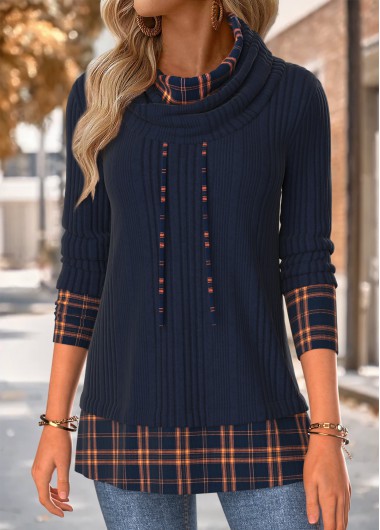
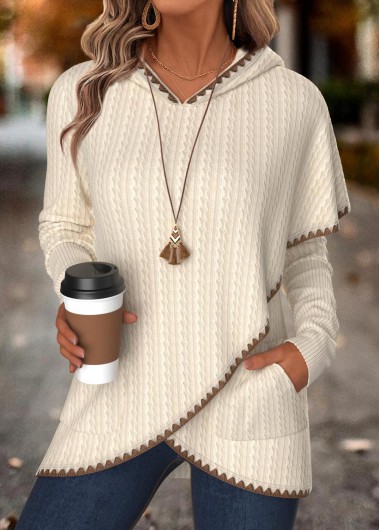
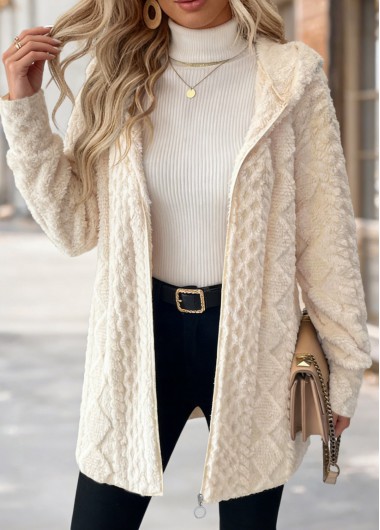
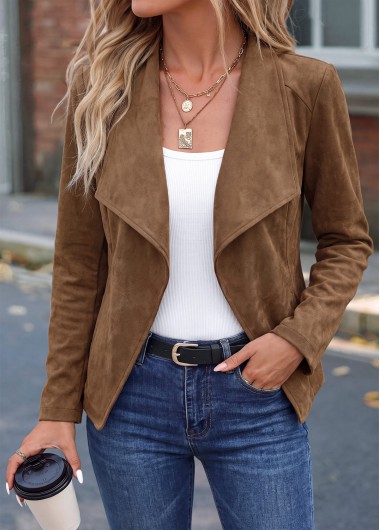
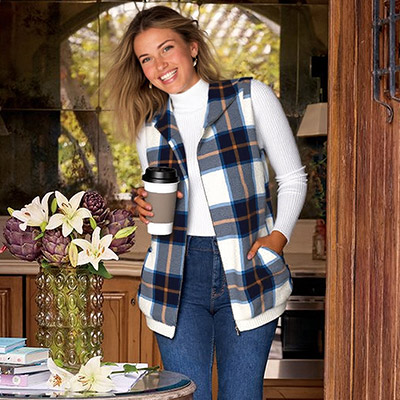
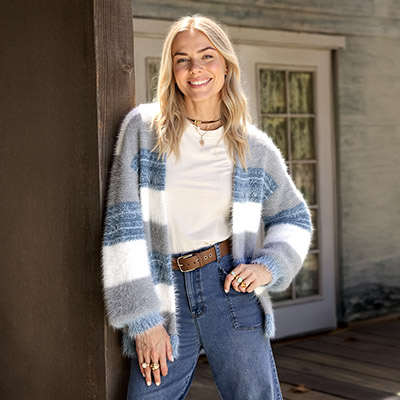
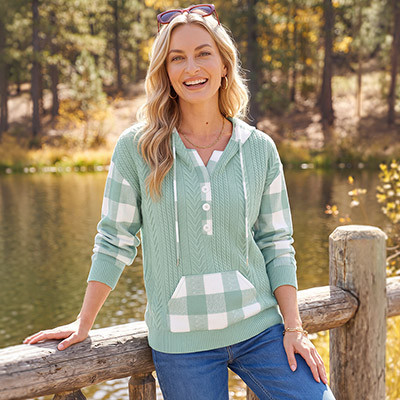
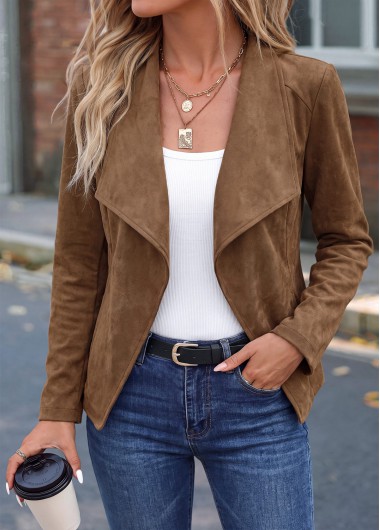
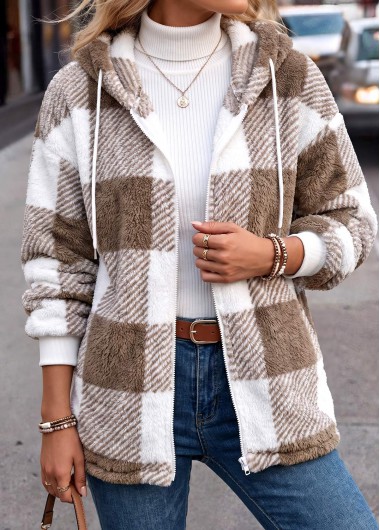
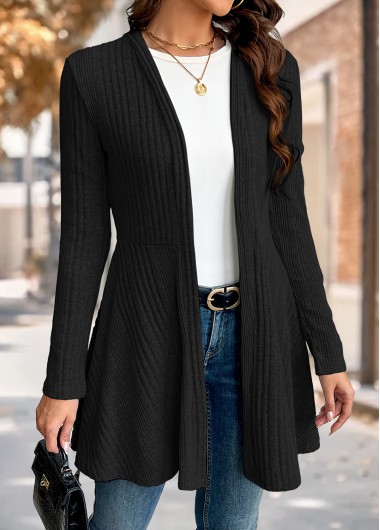
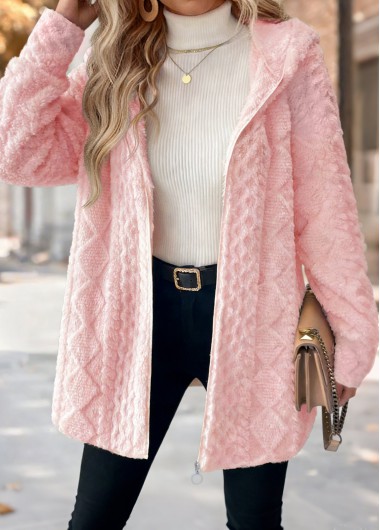
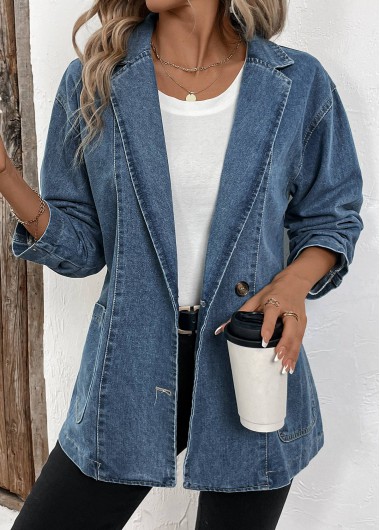
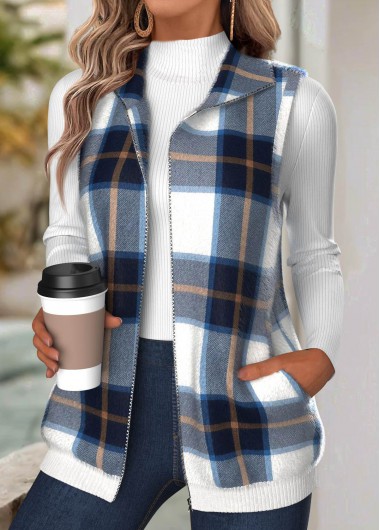
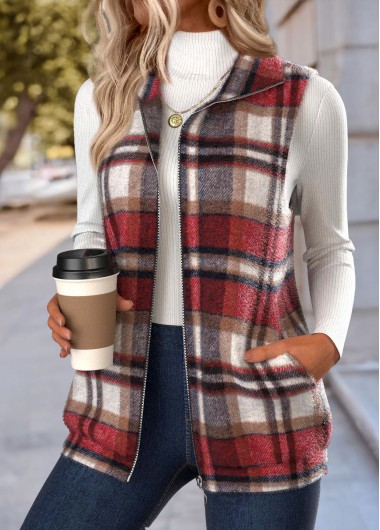
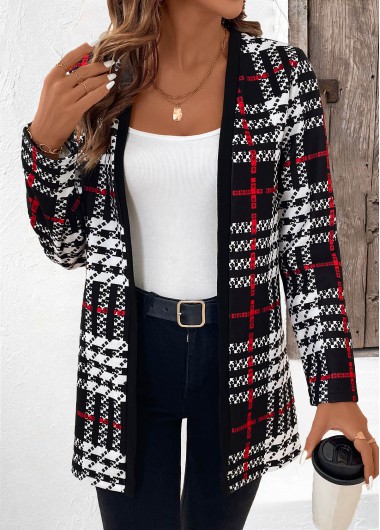
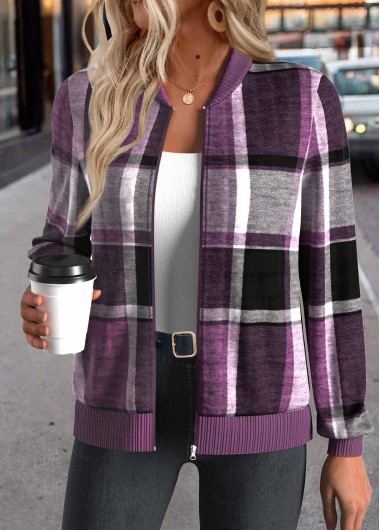
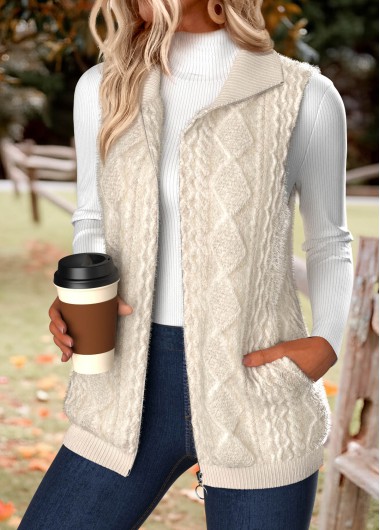
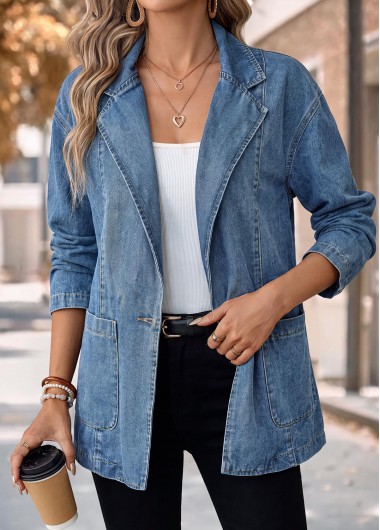
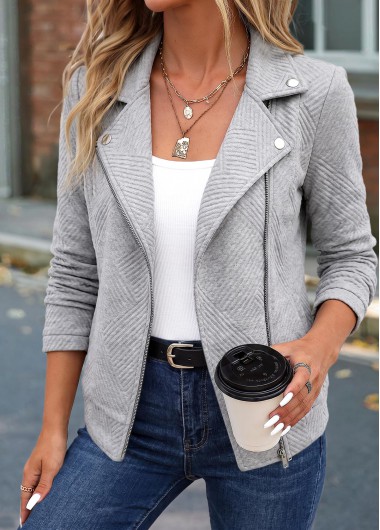
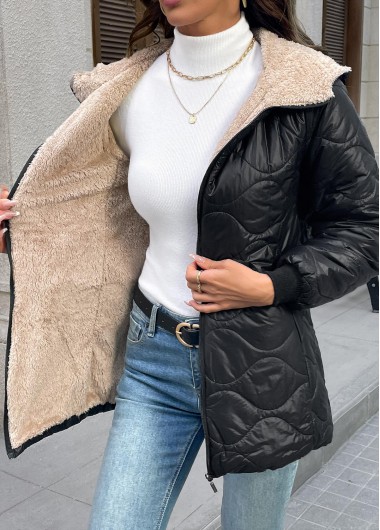
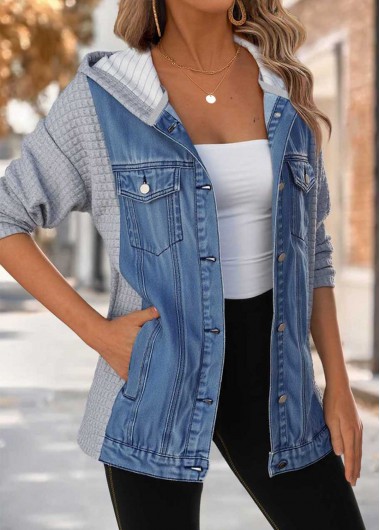
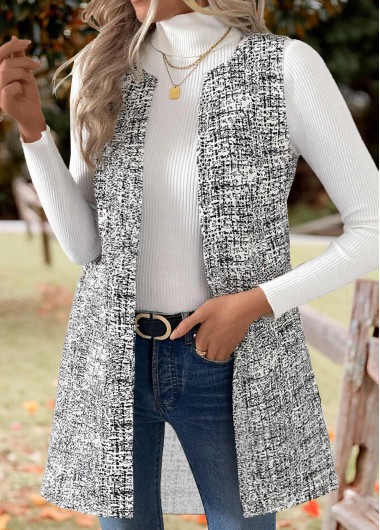
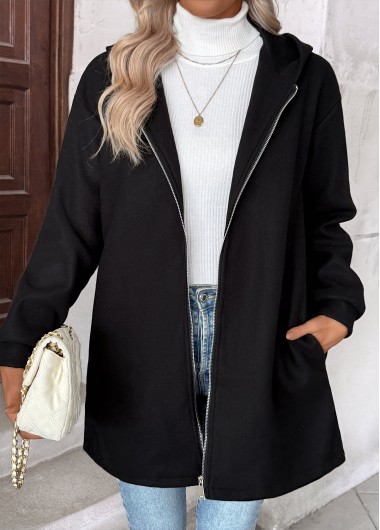
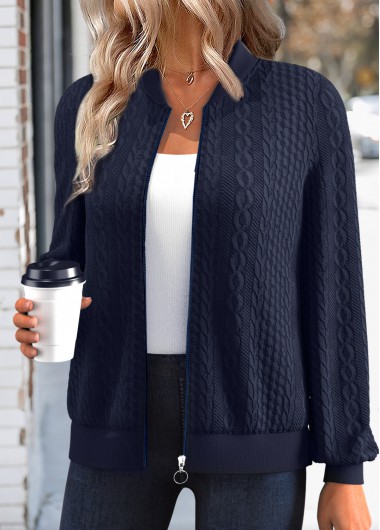
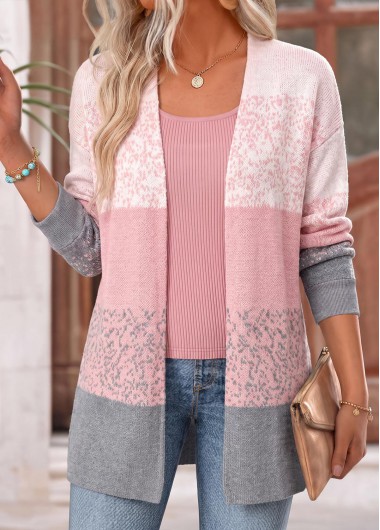
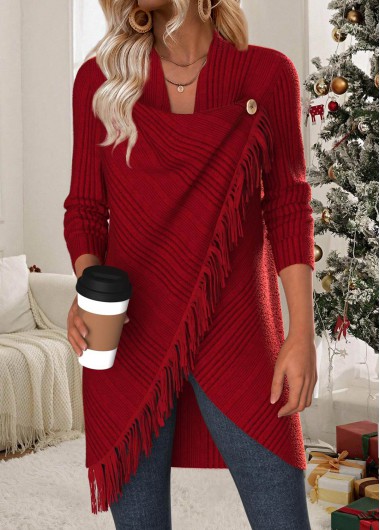
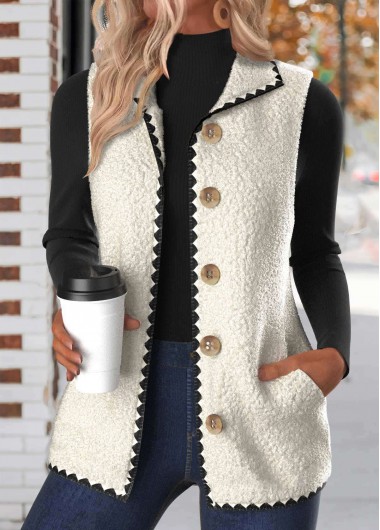
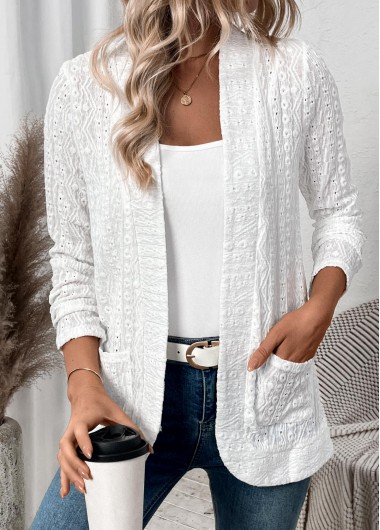
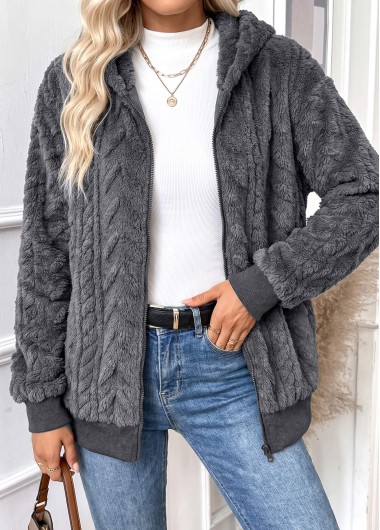
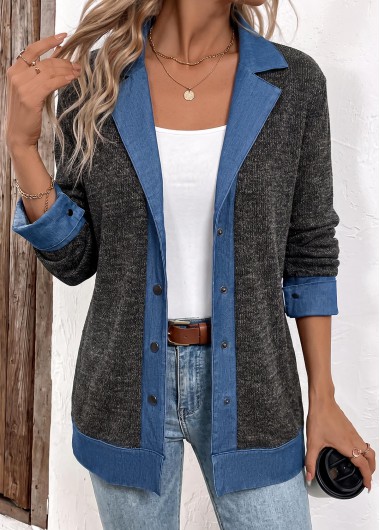
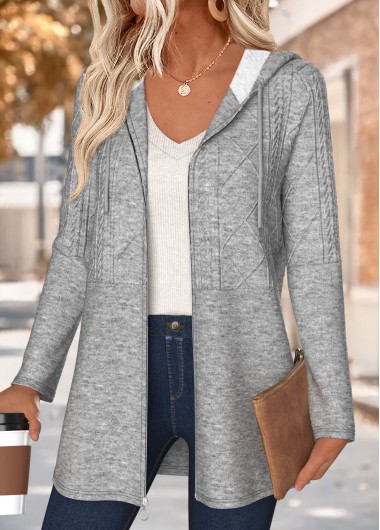
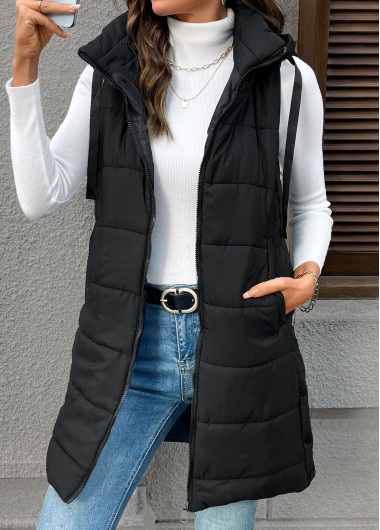
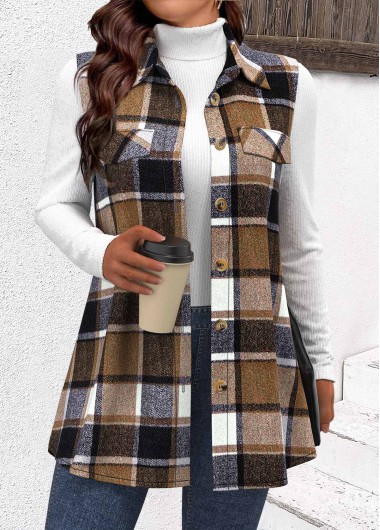
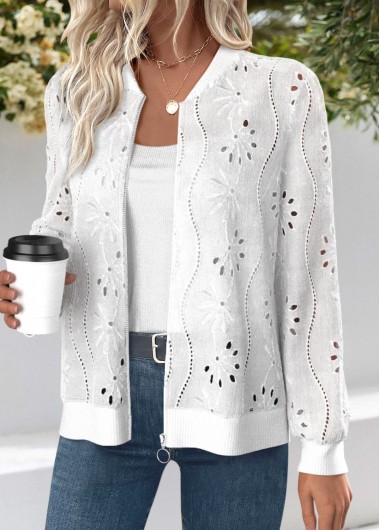
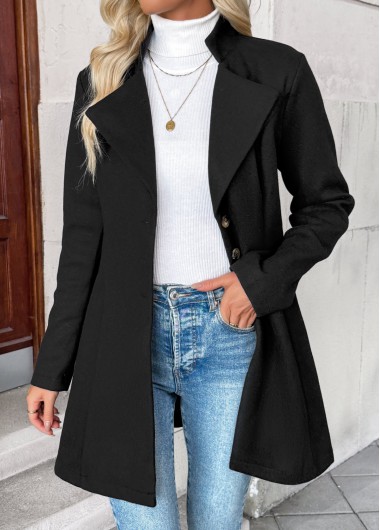
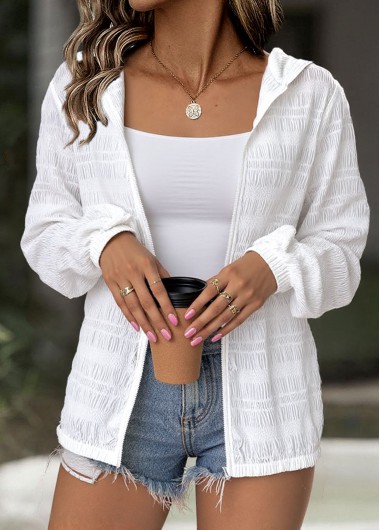
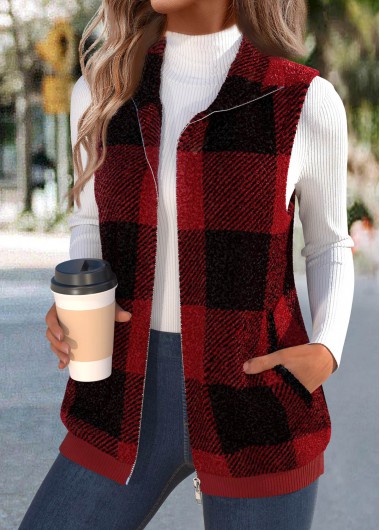
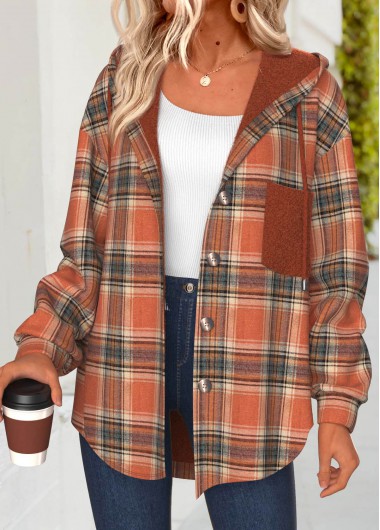
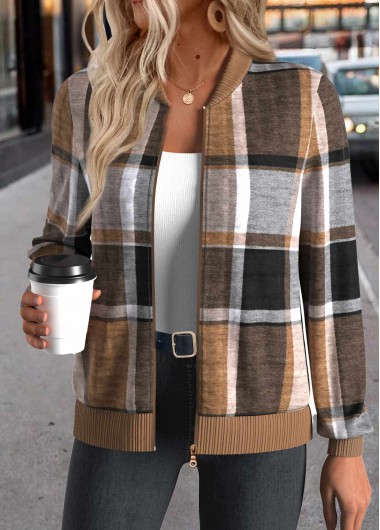
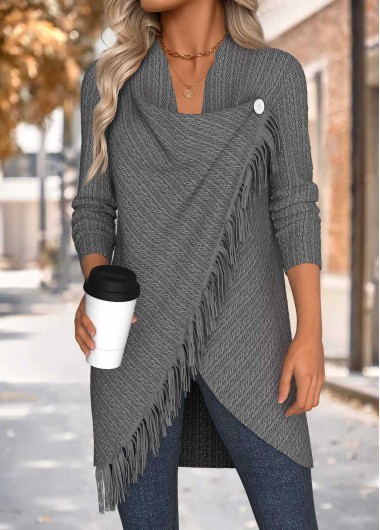
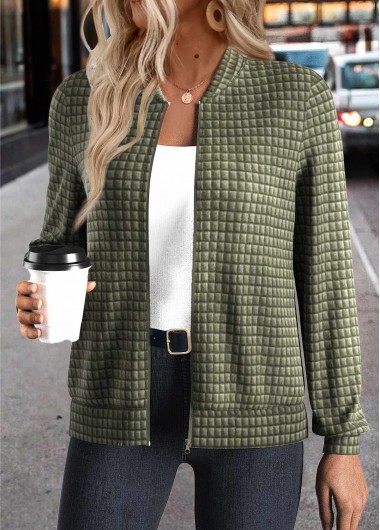
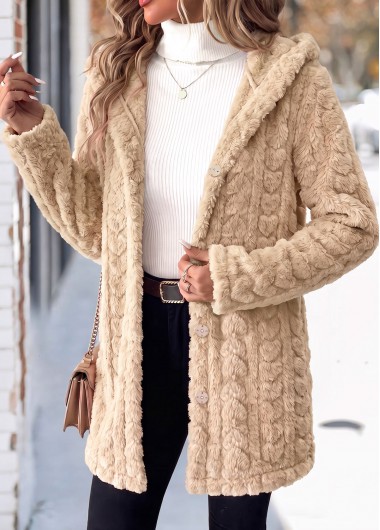
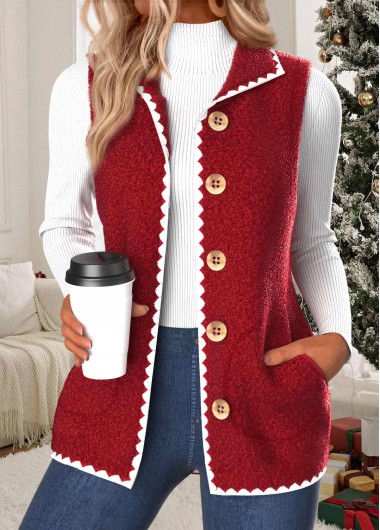
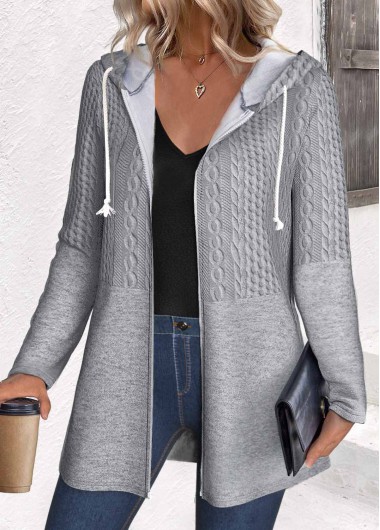
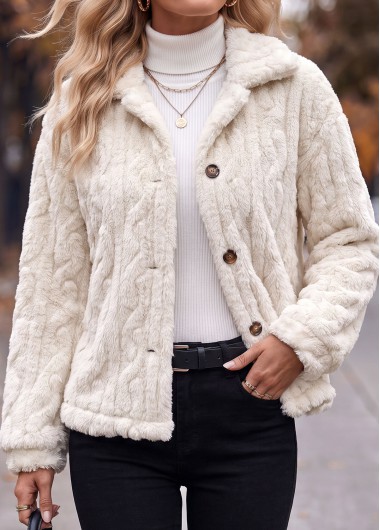
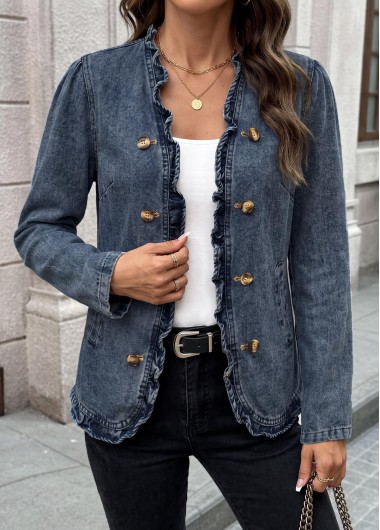
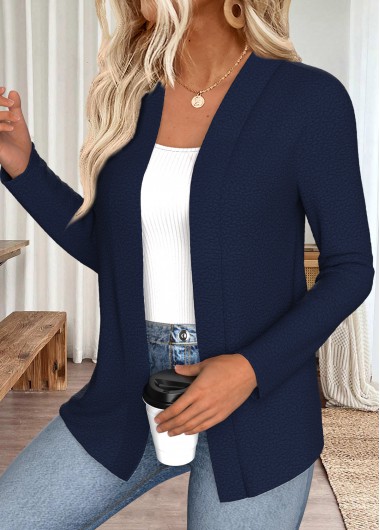
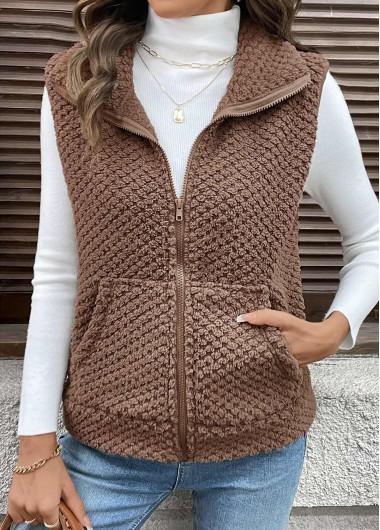
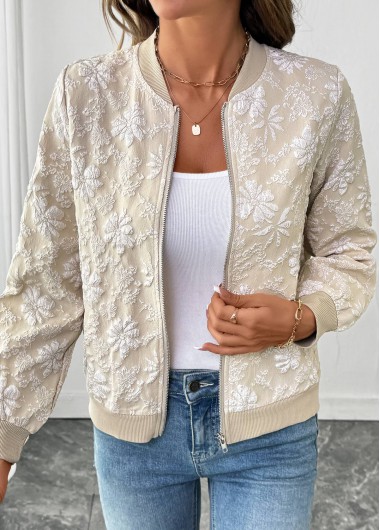
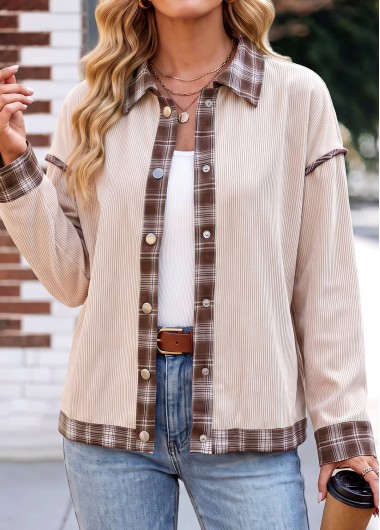
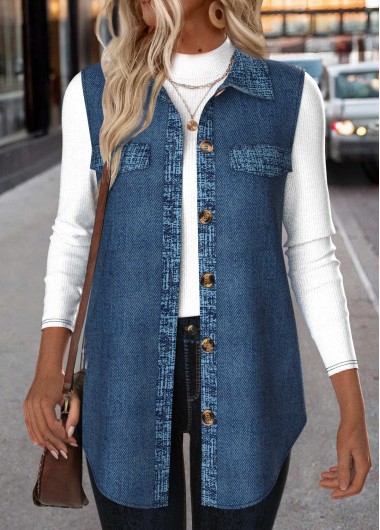
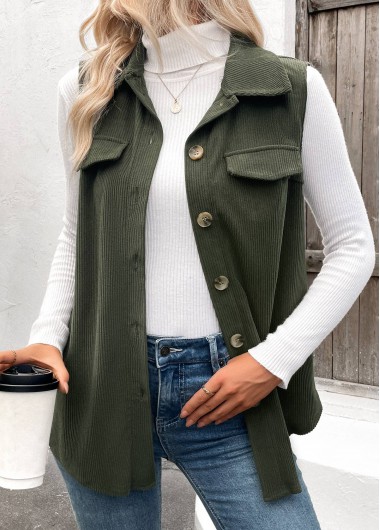
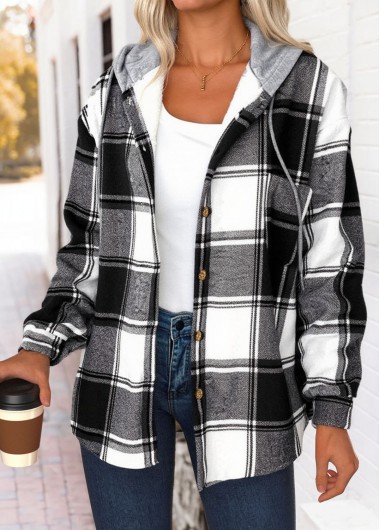
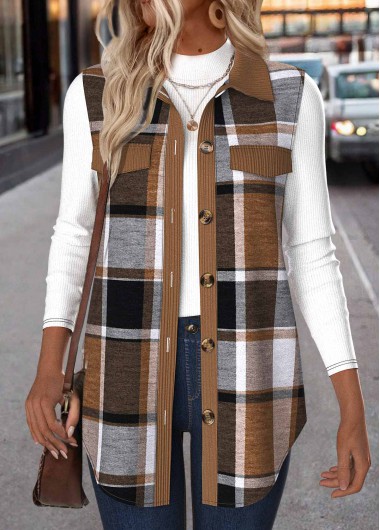
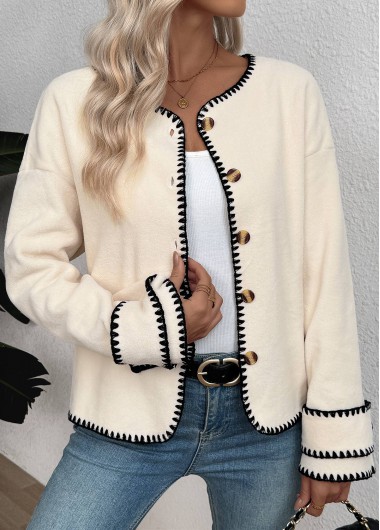
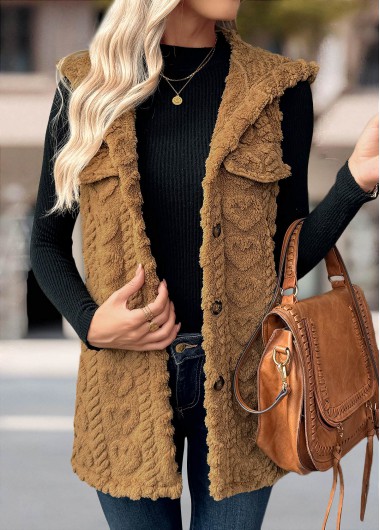
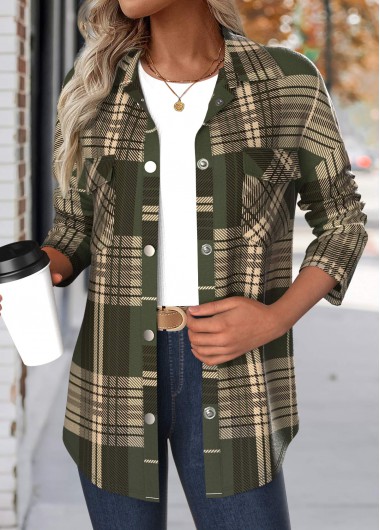
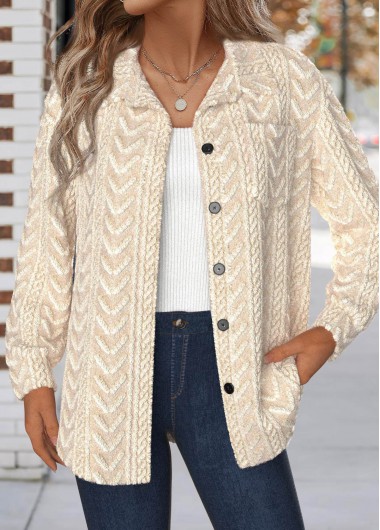
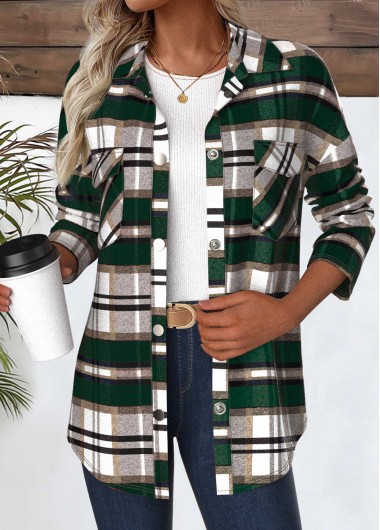
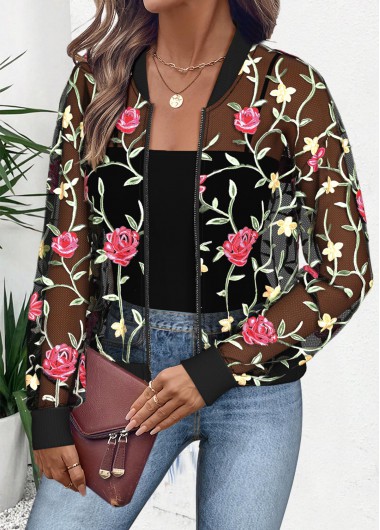
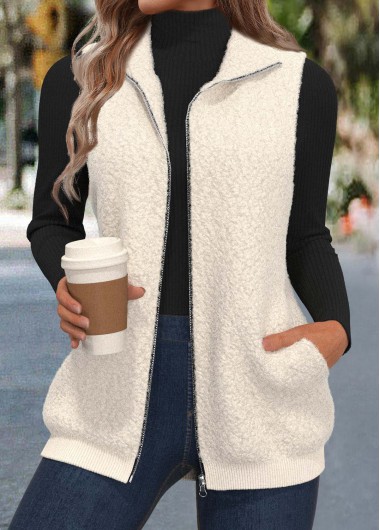
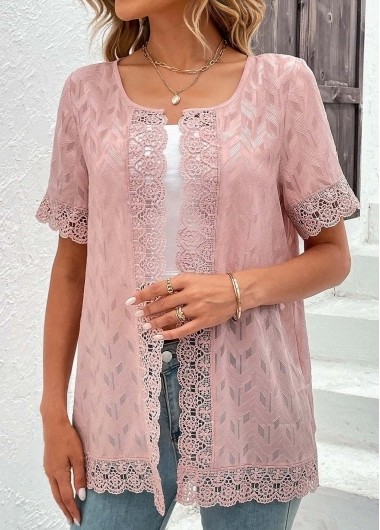
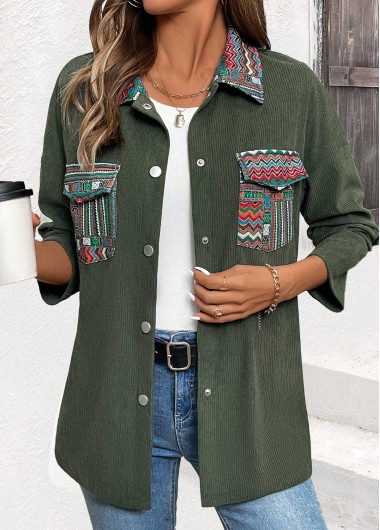
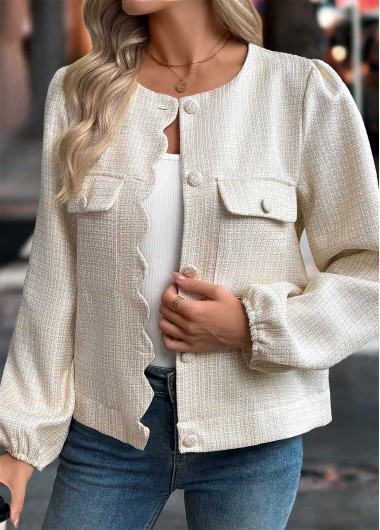
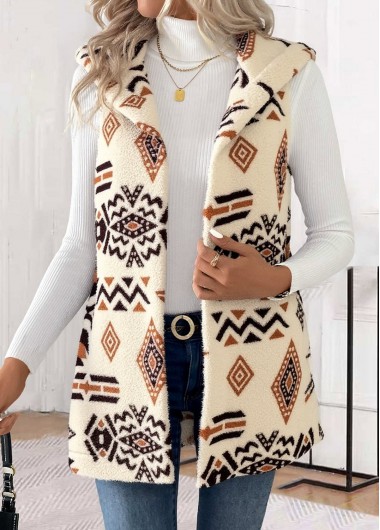
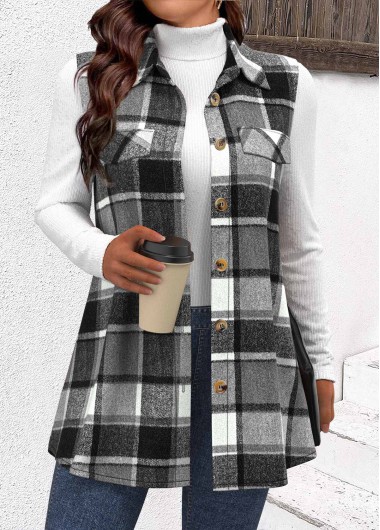
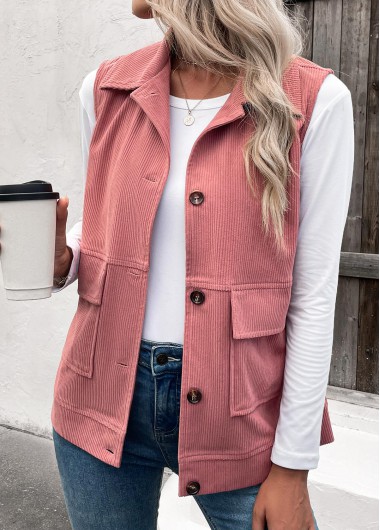
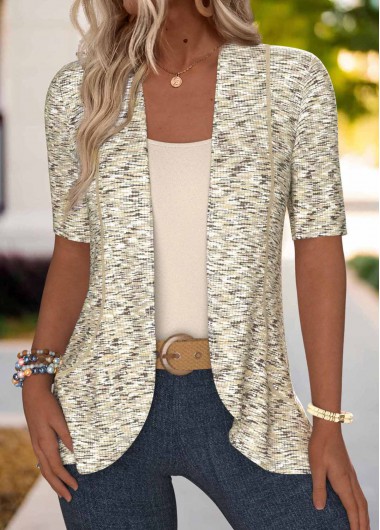
Cut for the months between summer and deep winter, the women's outerwear here runs from mid-thigh fleece coats and stand collar jackets to sleeveless waistcoats and knit cardigans. Plaid, patchwork and quiet plain colors carry most of it. They go over a tee for a school run, a market morning or an afternoon that starts warm and turns cool by five.
 Multi Color
Purple
Multi Color
Purple Please enter a valid number
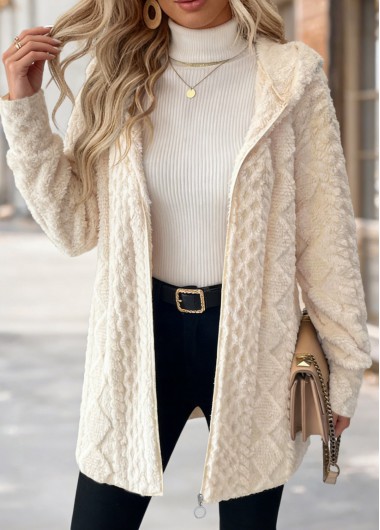

Great fit. Nice quality
 MODLILY CLUB
% Off
MODLILY CLUB
% Off
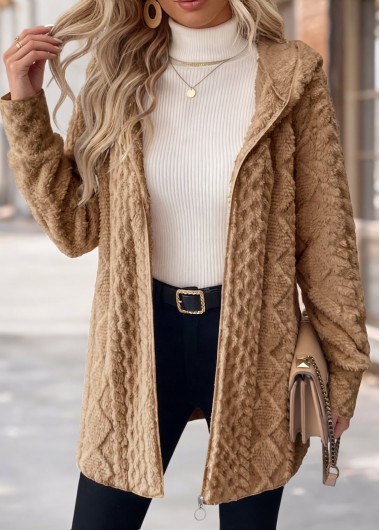
Great quality & very soft! True to size.
MODLILY CLUB
% Off
 MODLILY CLUB
% Off
MODLILY CLUB
% Off
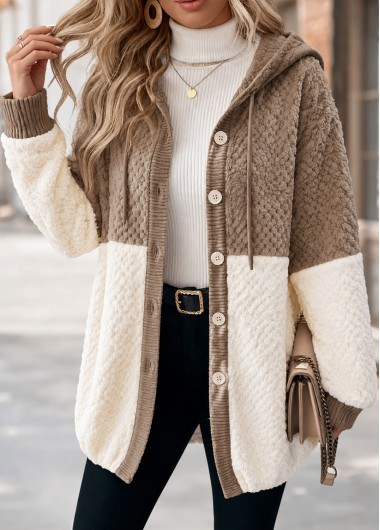
This jacket is so soft and comfortable. I would classify it as a sweater.
MODLILY CLUB
% Off
 MODLILY CLUB
% Off
MODLILY CLUB
% Off
 MODLILY CLUB
% Off
MODLILY CLUB
% Off
 MODLILY CLUB
% Off
MODLILY CLUB
% Off
 MODLILY CLUB
% Off
MODLILY CLUB
% Off
 MODLILY CLUB
% Off
MODLILY CLUB
% Off
 MODLILY CLUB
% Off
MODLILY CLUB
% Off
 MODLILY CLUB
% Off
MODLILY CLUB
% Off
 MODLILY CLUB
% Off
MODLILY CLUB
% Off
 MODLILY CLUB
% Off
MODLILY CLUB
% Off
 MODLILY CLUB
% Off
MODLILY CLUB
% Off
 MODLILY CLUB
% Off
MODLILY CLUB
% Off
 MODLILY CLUB
% Off
MODLILY CLUB
% Off
 MODLILY CLUB
% Off
MODLILY CLUB
% Off
 MODLILY CLUB
% Off
MODLILY CLUB
% Off
 MODLILY CLUB
% Off
MODLILY CLUB
% Off
 MODLILY CLUB
% Off
MODLILY CLUB
% Off
 MODLILY CLUB
% Off
MODLILY CLUB
% Off
 MODLILY CLUB
% Off
MODLILY CLUB
% Off
 MODLILY CLUB
% Off
MODLILY CLUB
% Off
 MODLILY CLUB
% Off
MODLILY CLUB
% Off
 MODLILY CLUB
% Off
MODLILY CLUB
% Off
 MODLILY CLUB
% Off
MODLILY CLUB
% Off
 MODLILY CLUB
% Off
MODLILY CLUB
% Off
 MODLILY CLUB
% Off
MODLILY CLUB
% Off
 MODLILY CLUB
% Off
MODLILY CLUB
% Off
 MODLILY CLUB
% Off
MODLILY CLUB
% Off
 MODLILY CLUB
% Off
MODLILY CLUB
% Off
 MODLILY CLUB
% Off
MODLILY CLUB
% Off
 MODLILY CLUB
% Off
MODLILY CLUB
% Off
 MODLILY CLUB
% Off
MODLILY CLUB
% Off
 MODLILY CLUB
% Off
MODLILY CLUB
% Off
 MODLILY CLUB
% Off
MODLILY CLUB
% Off
 MODLILY CLUB
% Off
MODLILY CLUB
% Off
 MODLILY CLUB
% Off
MODLILY CLUB
% Off
 MODLILY CLUB
% Off
MODLILY CLUB
% Off
 MODLILY CLUB
% Off
MODLILY CLUB
% Off
 MODLILY CLUB
% Off
MODLILY CLUB
% Off
 MODLILY CLUB
% Off
MODLILY CLUB
% Off
 MODLILY CLUB
% Off
MODLILY CLUB
% Off
 MODLILY CLUB
% Off
MODLILY CLUB
% Off
 MODLILY CLUB
% Off
MODLILY CLUB
% Off
 MODLILY CLUB
% Off
MODLILY CLUB
% Off
 MODLILY CLUB
% Off
MODLILY CLUB
% Off
 MODLILY CLUB
% Off
MODLILY CLUB
% Off
 MODLILY CLUB
% Off
MODLILY CLUB
% Off
 MODLILY CLUB
% Off
MODLILY CLUB
% Off
 MODLILY CLUB
% Off
MODLILY CLUB
% Off
 MODLILY CLUB
% Off
MODLILY CLUB
% Off
 MODLILY CLUB
% Off
MODLILY CLUB
% Off
 MODLILY CLUB
% Off
MODLILY CLUB
% Off
 MODLILY CLUB
% Off
MODLILY CLUB
% Off
 MODLILY CLUB
% Off
MODLILY CLUB
% Off
 MODLILY CLUB
% Off
MODLILY CLUB
% Off
 MODLILY CLUB
% Off
MODLILY CLUB
% Off
 MODLILY CLUB
% Off
MODLILY CLUB
% Off
 MODLILY CLUB
% Off
MODLILY CLUB
% Off
 MODLILY CLUB
% Off
MODLILY CLUB
% Off
 MODLILY CLUB
% Off
MODLILY CLUB
% Off
 MODLILY CLUB
% Off
MODLILY CLUB
% Off
 MODLILY CLUB
% Off
MODLILY CLUB
% Off
 MODLILY CLUB
% Off
MODLILY CLUB
% Off
 MODLILY CLUB
% Off
MODLILY CLUB
% Off
 MODLILY CLUB
% Off
MODLILY CLUB
% Off
 MODLILY CLUB
% Off
MODLILY CLUB
% Off
 MODLILY CLUB
% Off
MODLILY CLUB
% Off
 MODLILY CLUB
% Off
MODLILY CLUB
% Off
 MODLILY CLUB
% Off
MODLILY CLUB
% Off
 MODLILY CLUB
% Off
MODLILY CLUB
% Off
 MODLILY CLUB
% Off
MODLILY CLUB
% Off
 MODLILY CLUB
% Off
MODLILY CLUB
% Off
 MODLILY CLUB
% Off
MODLILY CLUB
% Off
 MODLILY CLUB
% Off
MODLILY CLUB
% Off
 MODLILY CLUB
% Off
MODLILY CLUB
% Off
 MODLILY CLUB
% Off
MODLILY CLUB
% Off

Outerwear is the layer that goes on last and comes off first. That sounds obvious until you notice what it does to the pattern: a piece drafted to sit over a sweater is cut wider through the bust and deeper through the armhole than a top of the same letter size, because it has to clear whatever is already on.
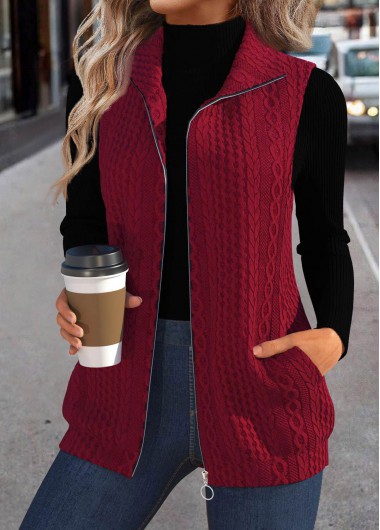
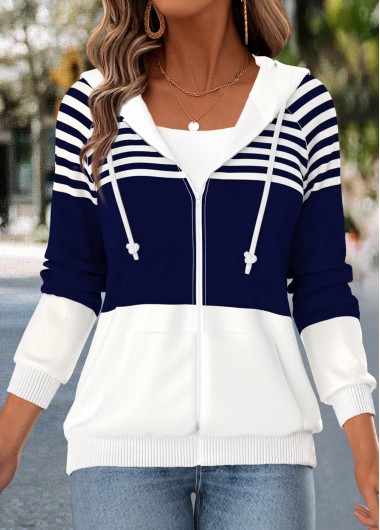
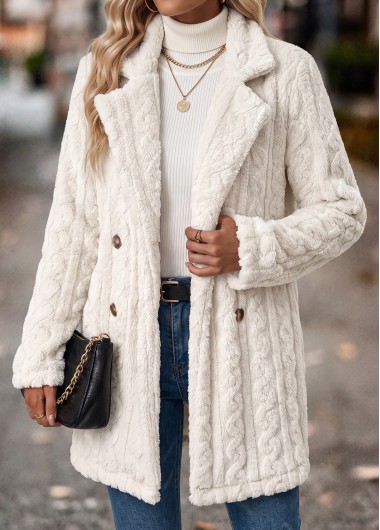
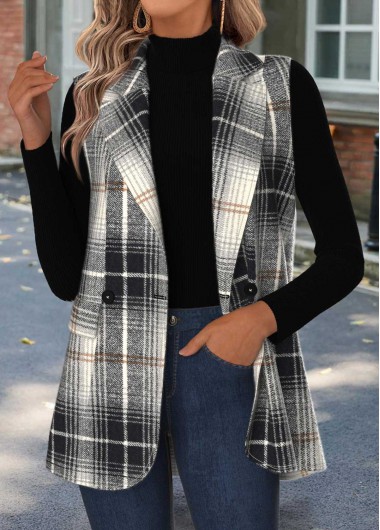
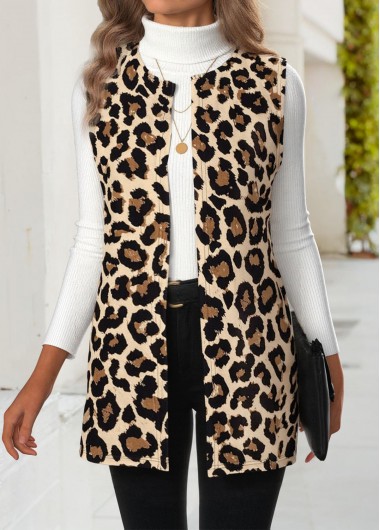
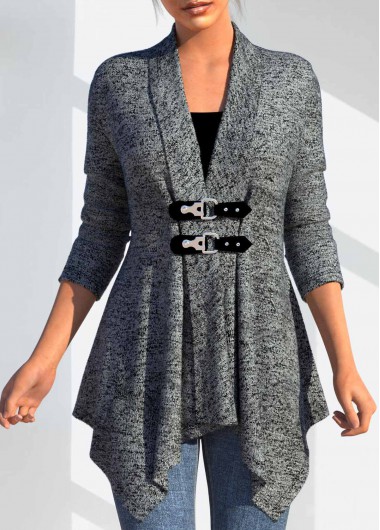
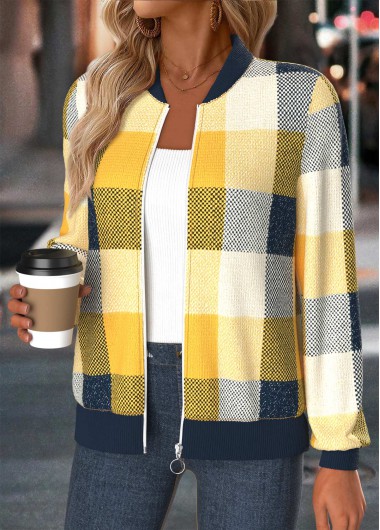
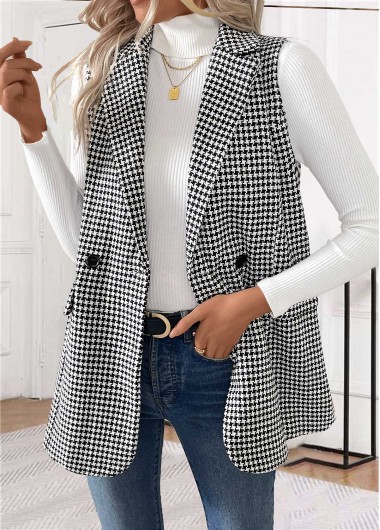
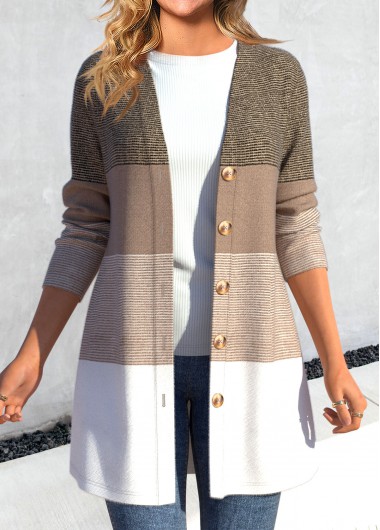
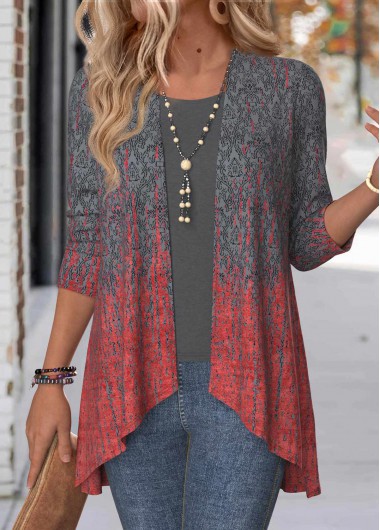
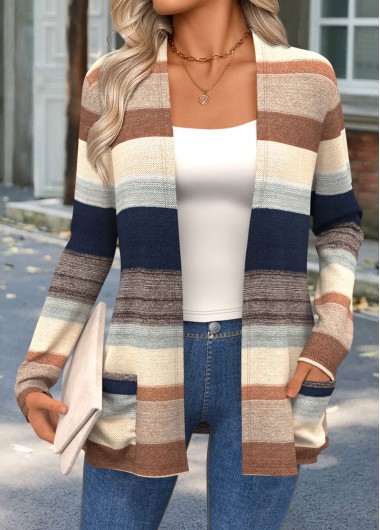
On this page that layer arrives in four shapes. Coats are the longest, most of them reaching the middle of the thigh. Jackets stop at or just under the waist and read as the lighter option. Sleeveless waistcoats are the largest single group here, and knit cardigans sit at the soft end of the range.
Sorting by those four before anything else saves time, because they behave differently on the body. Collar, closure and pattern are choices made inside a shape you have already settled.
Roughly a third of what is here has no sleeves, which is a larger share than most outerwear ranges carry. The reason to want one is specific: your arms keep their full range, so you can drive, carry bags and reach across a table without the layer fighting you at the elbow.
It also stays on indoors. A sleeved coat becomes too much within ten minutes of walking into a warm room and ends up over a chair back; a waistcoat is still comfortable, so the outfit you left the house in is the outfit you are wearing at lunch.
The collars split them. A turn down collar folds flat and reads like a shirt worn over the top. A stand collar closes higher and keeps the neck covered when the wind picks up. A shirt collar gives the sharpest line of the three, and a hooded waistcoat adds cover for the head without adding a sleeve. Most of these hems fall past the waistband, so the join between top and trousers stays covered when you sit down.
The closure decides whether a piece is worn all day or committed to for the whole outing, and it is worth checking before the color.
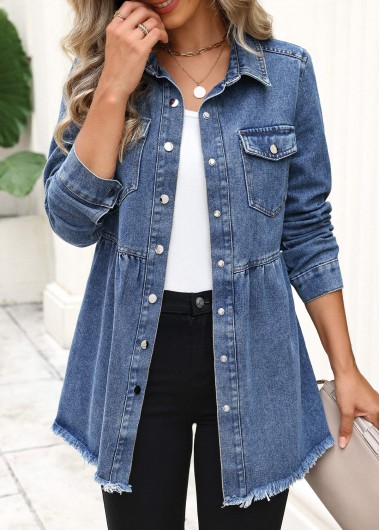
A button front sits flattest of the three. Done up it holds a clean vertical line down the middle; left open, the placket and the buttons themselves become the detail. It is the slowest to fasten, which matters more than it sounds when your hands are full.
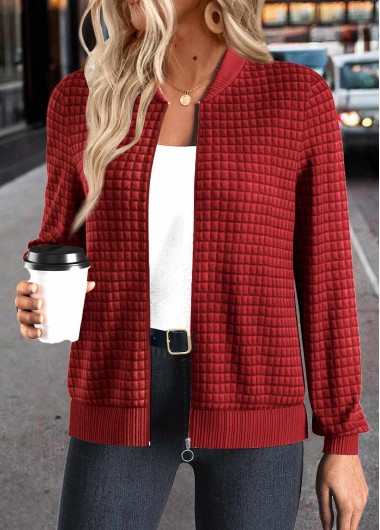
A zip front closes in one motion and lets you set the height anywhere you like - all the way up under a stand collar on a cold platform, halfway down once you are moving. Several of the track jackets here work this way.
An open front has no fastening at all. It drapes rather than closes, which makes it the most forgiving option across a size change and the easiest thing to put over a bulky knit, since nothing has to meet in the middle.
Two constructions run through this page and they behave differently enough to be worth telling apart. The first is knitted fleece: a looped structure, often knitted on both faces so there is a velvety surface inside and a flatter one out, with enough give to move with you.
The second is a brushed woven cloth. The plaids are usually yarn-dyed, meaning the colors are dyed into the threads before weaving, so the check looks the same on the reverse and does not fade off the surface with wear. Brushed after weaving, it picks up a soft flannel hand while staying flat and structured.
The practical difference is stretch. A woven with no elastane in it has minimal stretch, so it holds its shape but gives you nothing back - and that changes how you buy it. Take your own bust measurement over the heaviest thing you plan to wear underneath, then read that number off the size chart rather than reaching for your usual letter. The product description names the construction, so this is checkable before ordering.
Most outerwear ranges lead with a warmth claim, and it is worth being plain about where the warmth here comes from. It comes from the weight of the fleece and whether the piece is knitted on both faces, which traps a layer of air, and from how far down the body it reaches. It does not come from down fill or a technical shell, because there are none of those here.
Three things on the product page tell you what you are getting. Length is the first: a hem at the middle of the thigh covers the hips and the top of the legs, while a waist length jacket leaves both to whatever is underneath. Whether the fabric is described as double-sided or double-faced knitting is the second. The third is a hood, and hooded outerwear is grouped separately if that is the part you care about.
What these will not do is keep rain off or stop a hard wind - that needs a coated shell, which is a different garment bought for a different reason. Think of these as dry-weather layers for a cool morning, a long errand and an evening that drops ten degrees.

Create Account
Create password to get more coupons!
$100 OFF
New Members only!
Create Account
Create password to get more coupons!
$100 OFF
New Members only!
$20 OFF
for text subscribe

*It includes 4 coupons
Expired:
CODE:
Expired:
Fast Self-Service for Facebook Users.
24/7 online service available to all customers.
To avoid waiting time online, you could submit a ticket to us, our agent will respond within 1 business day.