



Fast Self-Service for Facebook Users.
24/7 online service available to all customers.
To avoid waiting time online, you could submit a ticket to us, our agent will respond within 1 business day.


Fast Self-Service for Facebook Users.
24/7 online service available to all customers.
To avoid waiting time online, you could submit a ticket to us, our agent will respond within 1 business day.
Sign In / Register
My Balance
Modlily Club
Sign in for the best experience
Processing
 Multi Color
White
Pink
Purple
Hot Pink
Red
Orange
Coral
Brown
Yellow
Beige
Royal Blue
Grey
Camel
Wine Red
Gold
Multi Color
White
Pink
Purple
Hot Pink
Red
Orange
Coral
Brown
Yellow
Beige
Royal Blue
Grey
Camel
Wine Red
Gold  Silver
 Please enter a valid number
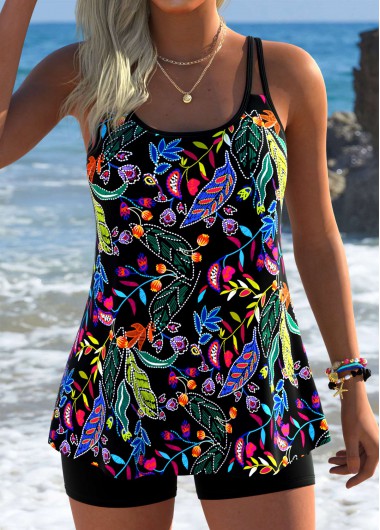

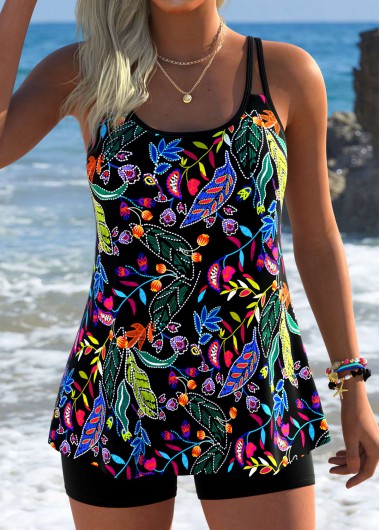
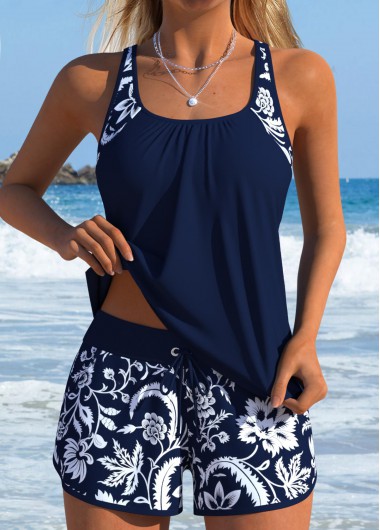
Scoop Neck Floral Print Black Tankini Set
 MODLILY CLUB % Off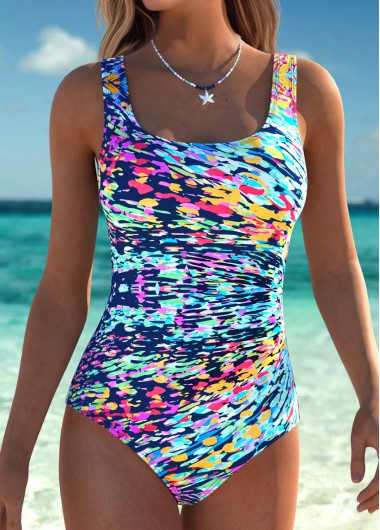
Lovely multi-coloured design which is very flattering
MODLILY CLUB
% Off
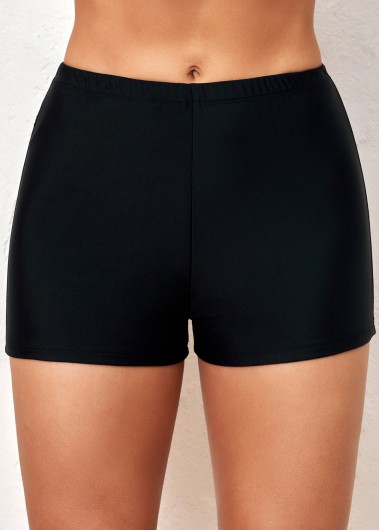
Comfortable and great fit
MODLILY CLUB
% Off
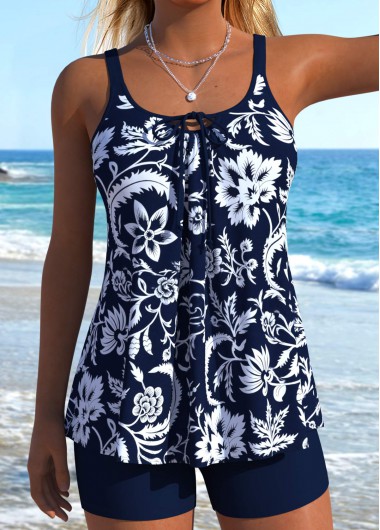
This is a great set. The color is beautiful and I love the pattern. Fits true to size with the shorts a little longer to cover my old lady thighs.
MODLILY CLUB
% Off
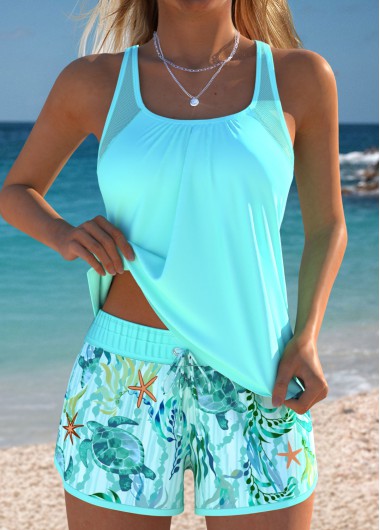
Love these swimsuits! Will purchase again!
MODLILY CLUB
% Off
 MODLILY CLUB
% Off
MODLILY CLUB
% Off
 MODLILY CLUB
% Off
MODLILY CLUB
% Off
 MODLILY CLUB
% Off
MODLILY CLUB
% Off
 MODLILY CLUB
% Off
MODLILY CLUB
% Off
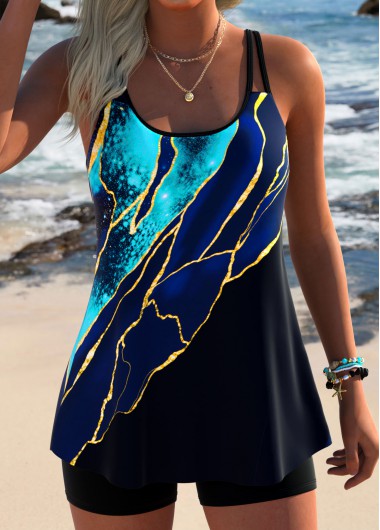
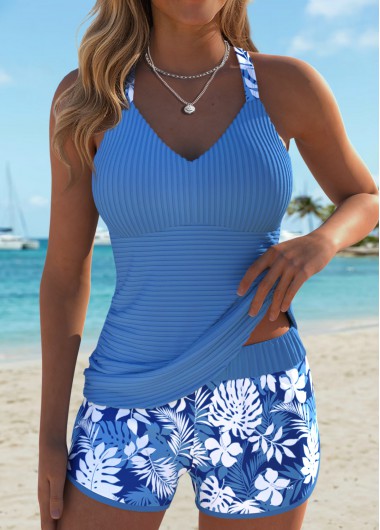
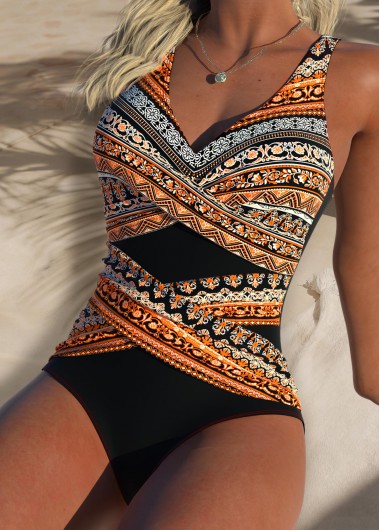
Blue Tummy Coverage Marble Print Tankini Set
MODLILY CLUB % Off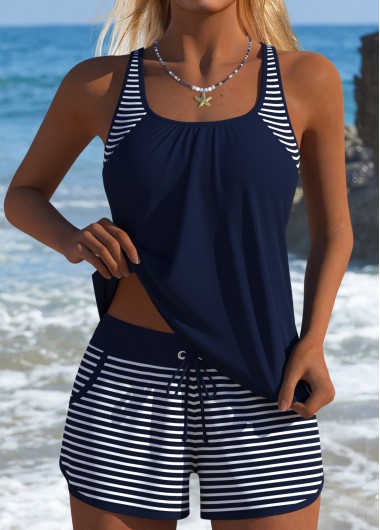 MODLILY CLUB
% Off
MODLILY CLUB
% Off
 MODLILY CLUB
% Off
MODLILY CLUB
% Off
 MODLILY CLUB
% Off
MODLILY CLUB
% Off
 MODLILY CLUB
% Off
MODLILY CLUB
% Off
 MODLILY CLUB
% Off
MODLILY CLUB
% Off
 MODLILY CLUB
% Off
MODLILY CLUB
% Off
 MODLILY CLUB
% Off
MODLILY CLUB
% Off
 MODLILY CLUB
% Off
MODLILY CLUB
% Off
 MODLILY CLUB
% Off
MODLILY CLUB
% Off
 MODLILY CLUB
% Off
MODLILY CLUB
% Off
 MODLILY CLUB
% Off
MODLILY CLUB
% Off
 MODLILY CLUB
% Off
MODLILY CLUB
% Off
 MODLILY CLUB
% Off
MODLILY CLUB
% Off
 MODLILY CLUB
% Off
MODLILY CLUB
% Off
 MODLILY CLUB
% Off
MODLILY CLUB
% Off
 MODLILY CLUB
% Off
MODLILY CLUB
% Off
 MODLILY CLUB
% Off
MODLILY CLUB
% Off
 MODLILY CLUB
% Off
MODLILY CLUB
% Off
 MODLILY CLUB
% Off
MODLILY CLUB
% Off
 MODLILY CLUB
% Off
MODLILY CLUB
% Off
 MODLILY CLUB
% Off
MODLILY CLUB
% Off
 MODLILY CLUB
% Off
MODLILY CLUB
% Off
 MODLILY CLUB
% Off
MODLILY CLUB
% Off
 MODLILY CLUB
% Off
MODLILY CLUB
% Off
 MODLILY CLUB
% Off
MODLILY CLUB
% Off
 MODLILY CLUB
% Off
MODLILY CLUB
% Off
 MODLILY CLUB
% Off
MODLILY CLUB
% Off
 MODLILY CLUB
% Off
MODLILY CLUB
% Off
 MODLILY CLUB
% Off
MODLILY CLUB
% Off
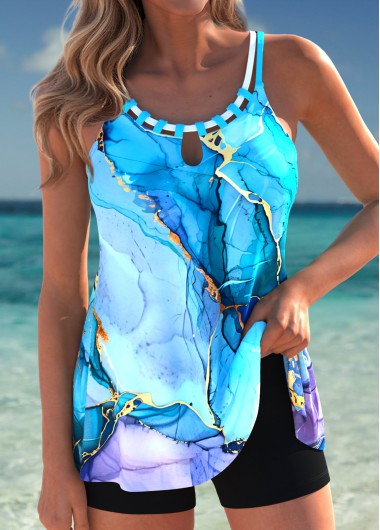
Tummy Coverage Graffiti Print Sky Blue Tankini Set
MODLILY CLUB % Off MODLILY CLUB
% Off
MODLILY CLUB
% Off
 MODLILY CLUB
% Off
MODLILY CLUB
% Off
 MODLILY CLUB
% Off
MODLILY CLUB
% Off
 MODLILY CLUB
% Off
MODLILY CLUB
% Off
 MODLILY CLUB
% Off
MODLILY CLUB
% Off
 MODLILY CLUB
% Off
MODLILY CLUB
% Off
 MODLILY CLUB
% Off
MODLILY CLUB
% Off
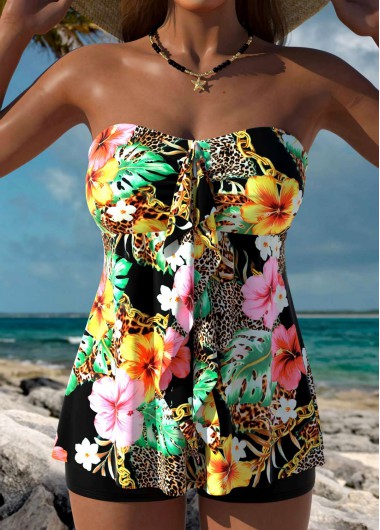
Tummy Coverage Floral Print Black Tankini Set
MODLILY CLUB % Off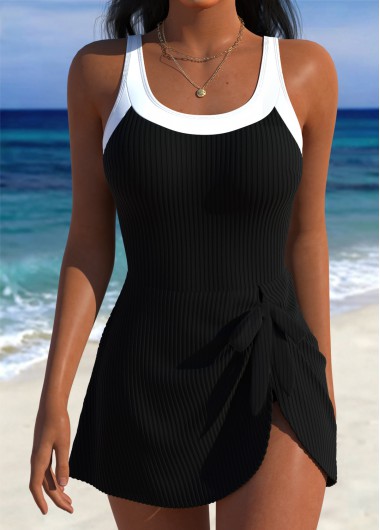 MODLILY CLUB
% Off
MODLILY CLUB
% Off
 MODLILY CLUB
% Off
MODLILY CLUB
% Off
 MODLILY CLUB
% Off
MODLILY CLUB
% Off
 MODLILY CLUB
% Off
MODLILY CLUB
% Off
 MODLILY CLUB
% Off
MODLILY CLUB
% Off
 MODLILY CLUB
% Off
MODLILY CLUB
% Off
 MODLILY CLUB
% Off
MODLILY CLUB
% Off
 MODLILY CLUB
% Off
MODLILY CLUB
% Off
 MODLILY CLUB
% Off
MODLILY CLUB
% Off
 MODLILY CLUB
% Off
MODLILY CLUB
% Off
 MODLILY CLUB
% Off
MODLILY CLUB
% Off
 MODLILY CLUB
% Off
MODLILY CLUB
% Off
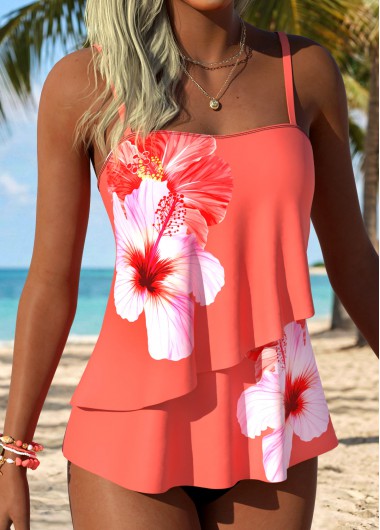
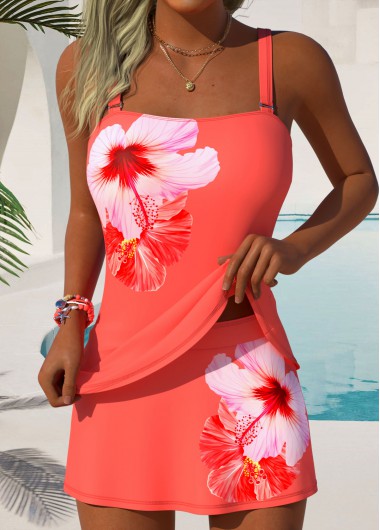
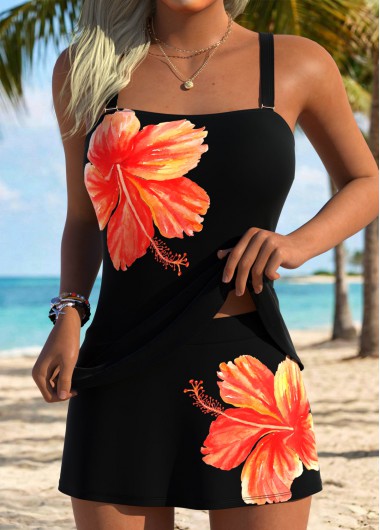
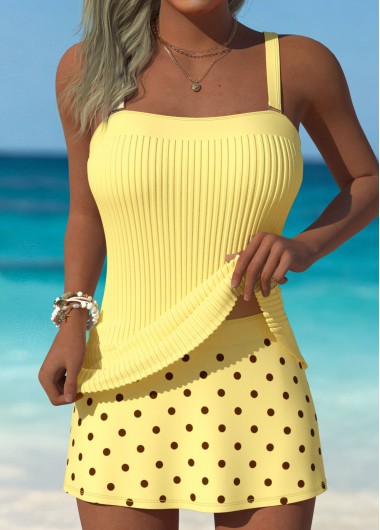
Orange Layered Floral Print Tankini Set
MODLILY CLUB % Off MODLILY CLUB
% Off
MODLILY CLUB
% Off
 MODLILY CLUB
% Off
MODLILY CLUB
% Off
 MODLILY CLUB
% Off
MODLILY CLUB
% Off
 MODLILY CLUB % Off
 MODLILY CLUB
% Off
MODLILY CLUB
% Off
 MODLILY CLUB
% Off
MODLILY CLUB
% Off
 MODLILY CLUB
% Off
MODLILY CLUB
% Off
 MODLILY CLUB
% Off
MODLILY CLUB
% Off
 MODLILY CLUB
% Off
MODLILY CLUB
% Off
 MODLILY CLUB
% Off
MODLILY CLUB
% Off
 MODLILY CLUB
% Off
MODLILY CLUB
% Off
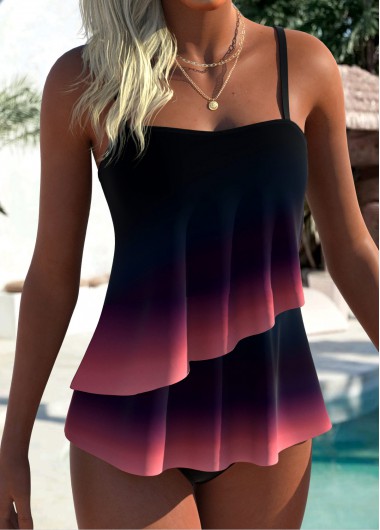
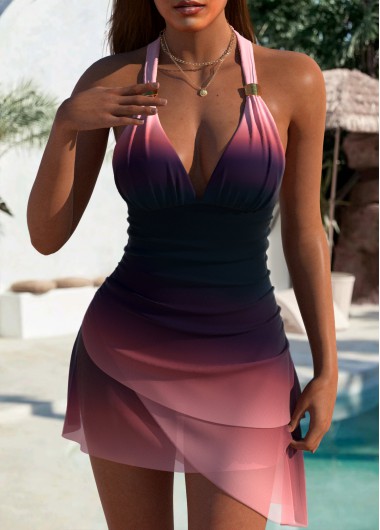
Multi Color Layered Ombre Tankini Set
MODLILY CLUB % Off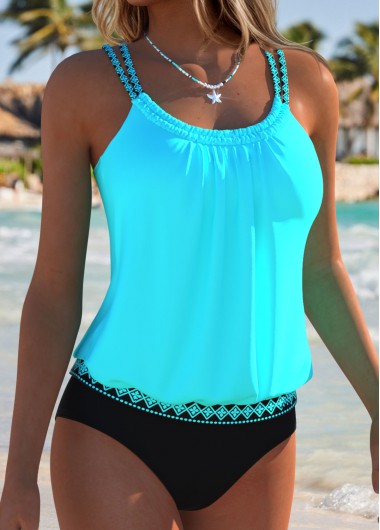
Cyan Mid Waisted Drawstring Random Floral Print Tankini Set
MODLILY CLUB % Off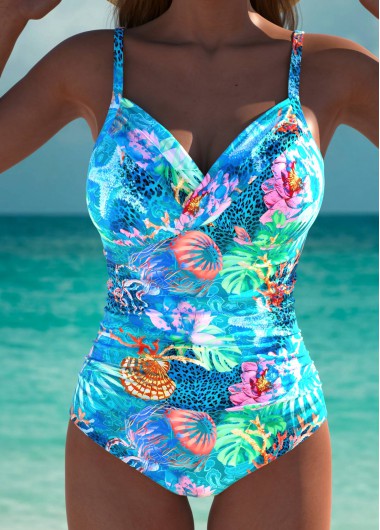 MODLILY CLUB
% Off
MODLILY CLUB
% Off
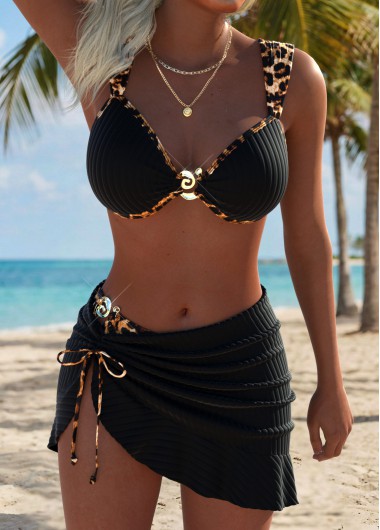 MODLILY CLUB
% Off
MODLILY CLUB
% Off
 MODLILY CLUB
% Off
MODLILY CLUB
% Off
 MODLILY CLUB
% Off
MODLILY CLUB
% Off
 MODLILY CLUB
% Off
MODLILY CLUB
% Off
 MODLILY CLUB
% Off
MODLILY CLUB
% Off
 MODLILY CLUB
% Off
MODLILY CLUB
% Off
 MODLILY CLUB
% Off
MODLILY CLUB
% Off
 MODLILY CLUB
% Off
MODLILY CLUB
% Off
 MODLILY CLUB
% Off
MODLILY CLUB
% Off
 MODLILY CLUB
% Off
MODLILY CLUB
% Off
 MODLILY CLUB
% Off
MODLILY CLUB
% Off
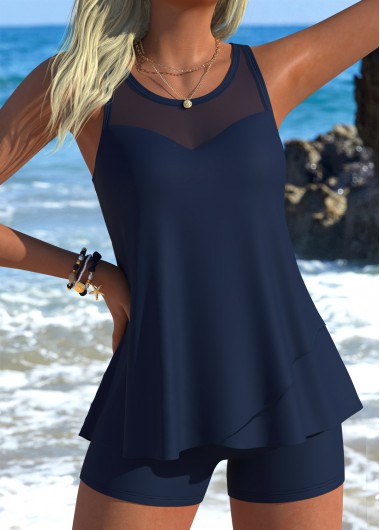 MODLILY CLUB
% Off
MODLILY CLUB
% Off
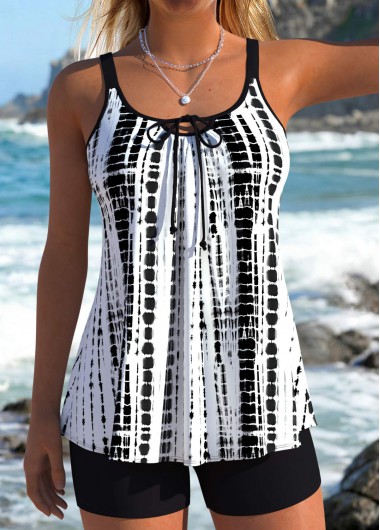
Black Mid Waisted Lace Up Tankini Set
MODLILY CLUB % Off MODLILY CLUB
% Off
MODLILY CLUB
% Off
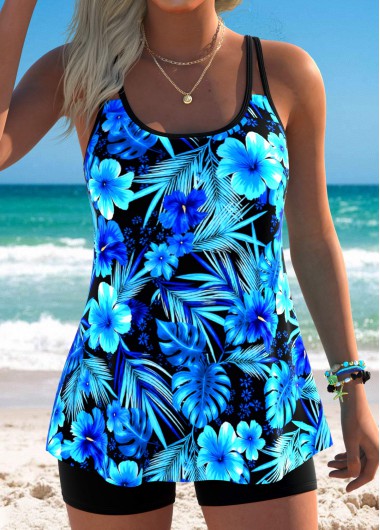
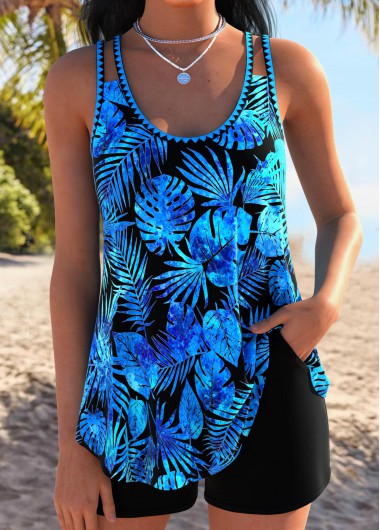
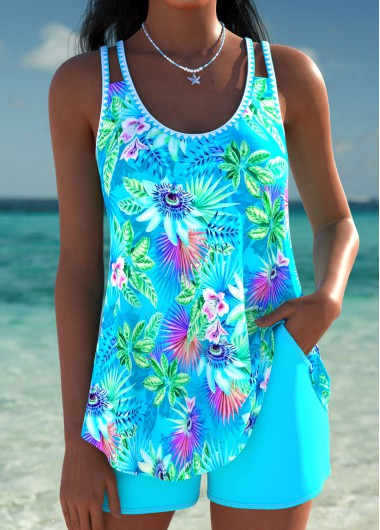
Cyan Tummy Coverage Tropical Plants Print Tankini Set
MODLILY CLUB % Off MODLILY CLUB
% Off
MODLILY CLUB
% Off
 MODLILY CLUB
% Off
MODLILY CLUB
% Off
 MODLILY CLUB
% Off
MODLILY CLUB
% Off
 MODLILY CLUB
% Off
MODLILY CLUB
% Off
 MODLILY CLUB
% Off
MODLILY CLUB
% Off
 MODLILY CLUB
% Off
MODLILY CLUB
% Off
 MODLILY CLUB
% Off
MODLILY CLUB
% Off
 MODLILY CLUB
% Off
MODLILY CLUB
% Off
 MODLILY CLUB
% Off
MODLILY CLUB
% Off
 MODLILY CLUB
% Off
MODLILY CLUB
% Off
 MODLILY CLUB
% Off
MODLILY CLUB
% Off
 MODLILY CLUB
% Off
MODLILY CLUB
% Off
 MODLILY CLUB
% Off
MODLILY CLUB
% Off
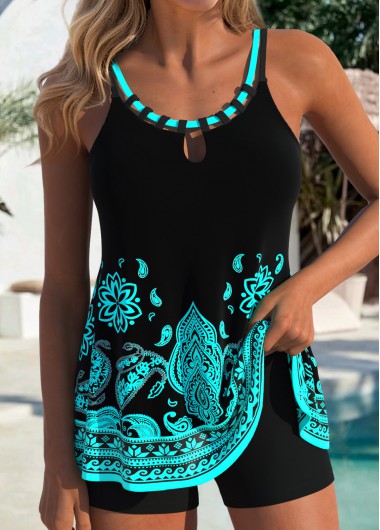
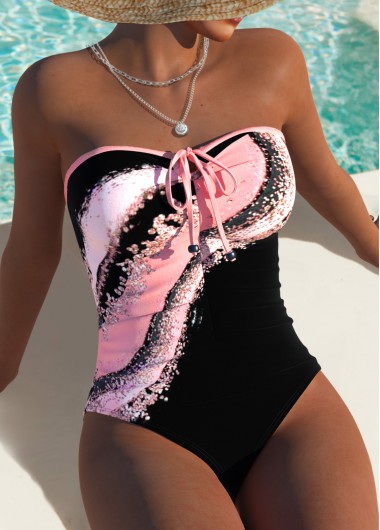
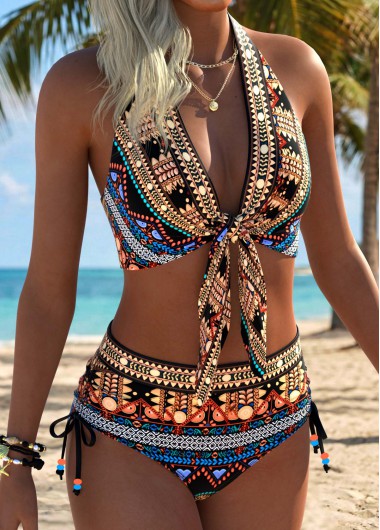
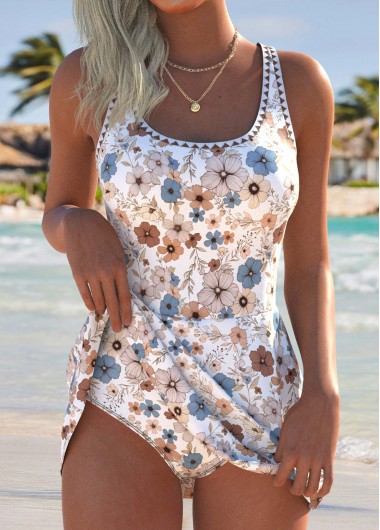
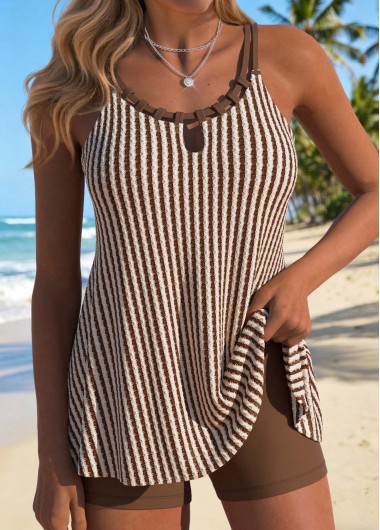
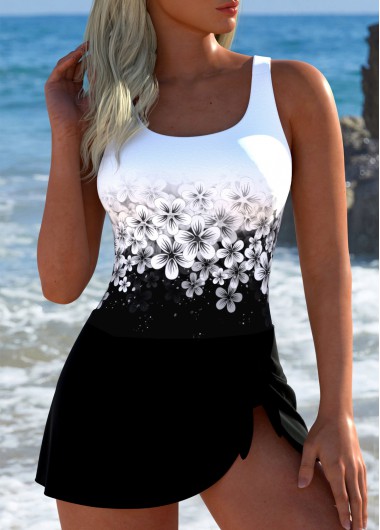
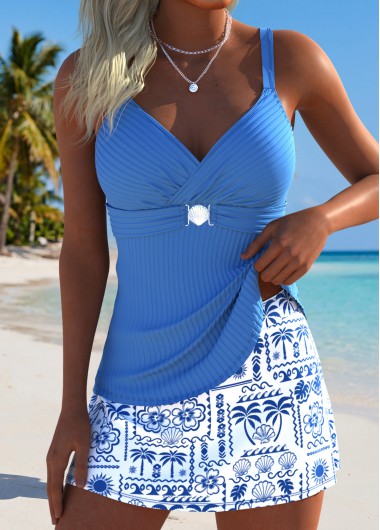
Tummy Coverage Tribal Print Black Tankini Set
MODLILY CLUB % Off MODLILY CLUB
% Off
MODLILY CLUB
% Off
 MODLILY CLUB
% Off
MODLILY CLUB
% Off
 MODLILY CLUB
% Off
MODLILY CLUB
% Off
 MODLILY CLUB
% Off
MODLILY CLUB
% Off
 MODLILY CLUB
% Off
MODLILY CLUB
% Off
 MODLILY CLUB
% Off
MODLILY CLUB
% Off
 MODLILY CLUB
% Off
MODLILY CLUB
% Off
 MODLILY CLUB
% Off
MODLILY CLUB
% Off
 MODLILY CLUB
% Off
MODLILY CLUB
% Off
 MODLILY CLUB
% Off
MODLILY CLUB
% Off
 MODLILY CLUB
% Off
MODLILY CLUB
% Off
 MODLILY CLUB
% Off
MODLILY CLUB
% Off
 MODLILY CLUB
% Off
MODLILY CLUB
% Off
 MODLILY CLUB
% Off
MODLILY CLUB
% Off
 MODLILY CLUB
% Off
MODLILY CLUB
% Off
 MODLILY CLUB
% Off
MODLILY CLUB
% Off

There is no official cut-off. Searches run all the way back to 1920s swimwear — the straight, dropped-waist tunic with no shaping at all — and forward through 1940s swimwear, which introduced the structured bust and a skirted front panel over a brief. Most of what sells today, though, draws on the four decades below.
Knowing which one you are after saves a great deal of scrolling, because the silhouettes pull in genuinely opposite directions. A fifties suit and a seventies suit share a label and almost nothing else: one covers the hip entirely, the other cuts above it. Buying by the word "retro" alone is how people end up with the wrong thing.
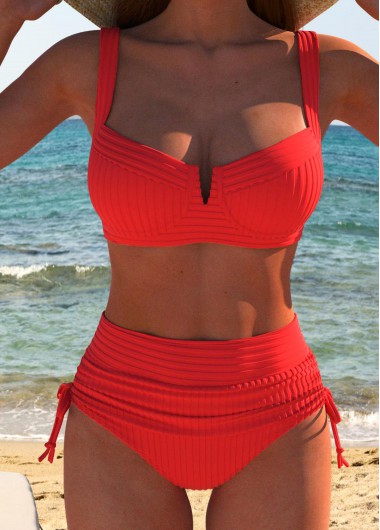
1950s swimwear is the look most people picture when they say vintage swimwear: a sweetheart or halter neckline, a properly structured bust, a defined waist, and a leg opening cut low across the hip. Often there is a small skirted panel across the front. It covers considerably more than a modern brief while reading as deliberate style rather than modesty, which is precisely why the shape refuses to disappear. Pair with high waisted bottoms for the full silhouette.
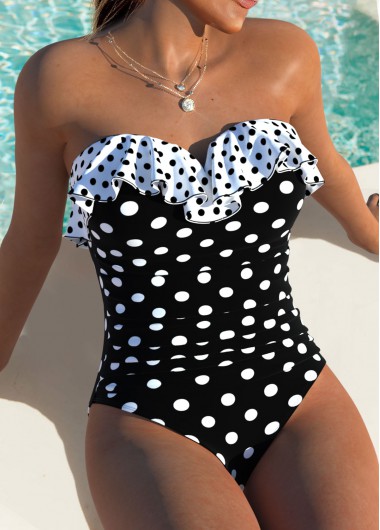
The waist stays high but the prints get considerably louder — oversized florals, graphic spots, color used in blocks rather than as a background. Polka dots belong to this decade more than any other, and a sixties-inspired suit is usually recognisable by pattern before cut. If you want the coverage of the fifties with more personality, this is the decade to look at.
The leg line rises sharply and the skirting disappears entirely — a direction 80s swimwear pushed further still, with the highest cuts of any era and color blocked in wide diagonal panels. Seventies-inspired pieces suit anyone who wants the retro reference without the extra coverage, and the higher leg has a genuine lengthening effect. They also work well under a rash guard for surf and paddle use, which is roughly what they were designed for.
Minimal by comparison: thin straps, plain color, square or scoop necklines, very little hardware and no pattern at all in many cases. If the earlier decades feel like costume to you, this is the retro reference that simply reads as clean design. A plain black suit in a square neck is about as nineties as it gets.
This question comes up constantly alongside retro searches, and the honest answer has less to do with age than with three specific requirements that tend to arrive together: coverage where you choose it, bust support that is real rather than decorative, and a suit that does not need adjusting every time you stand up.
Retro cuts happen to deliver all three at once, which is not a coincidence. The high waist covers the midsection without a shaping panel doing the work. The structured bust means underwire is standard rather than an upgrade you hunt for. The lower leg opening covers the top of the thigh, so sitting down is not a calculation. Add a halter neck and the shoulders carry the weight properly.
That combination is why these shapes keep returning, decade after decade, long after the trends that produced them have gone. If you want the same qualities without the period reference, our tummy control range applies the identical logic to contemporary cuts.
Plus size and modest retro searches both run high, and the reason is structural rather than fashionable. The features that define these decades — a waistband sitting at the natural waist, a bust with real internal support, a leg opening cut low across the hip — happen to be the three things hardest to find above a 1X. The period reference bundles them together, which is why the search terms travel together too.
Two things are worth checking before ordering. Torso length is the first: a fifties-style one piece is long by design, and a pattern graded only for width will pull at the shoulder and ride up at the leg. That extra length comes from drafting the pattern afresh at each size rather than widening a base one, which is how our plus size range is built. The skirted panel is the second — it should begin at the narrowest part of the waist rather than at the hip, or it adds volume exactly where it lands.
If the period detail is not the appeal but the coverage is, a plus size tankini gives the same high-waist overlap with each half sized separately.

Create Account
Create password to get more coupons!
$100 OFF
New Members only!
Create Account
Create password to get more coupons!
$100 OFF
New Members only!
$20 OFF
for text subscribe

*It includes 4 coupons
Expired:
CODE:
Expired:
Fast Self-Service for Facebook Users.
24/7 online service available to all customers.
To avoid waiting time online, you could submit a ticket to us, our agent will respond within 1 business day.