



Fast Self-Service for Facebook Users.
24/7 online service available to all customers.
To avoid waiting time online, you could submit a ticket to us, our agent will respond within 1 business day.


Fast Self-Service for Facebook Users.
24/7 online service available to all customers.
To avoid waiting time online, you could submit a ticket to us, our agent will respond within 1 business day.
Sign In / Register
My Balance
Modlily Club
Sign in for the best experience
Processing
Please enter a valid number
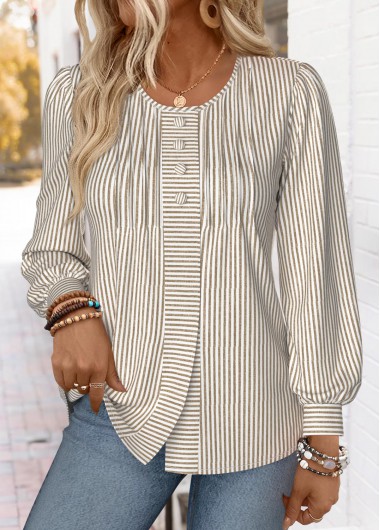

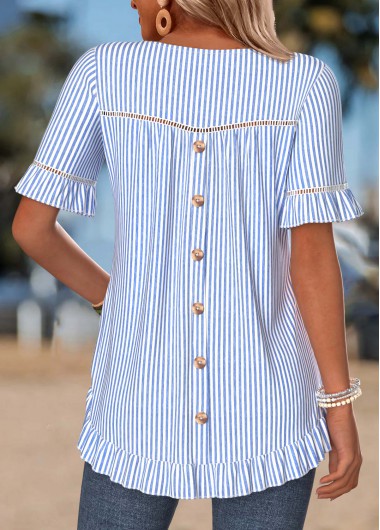
Buttons are fake with snaps behind. Longer than expected. Cute style.
 MODLILY CLUB
% Off
MODLILY CLUB
% Off
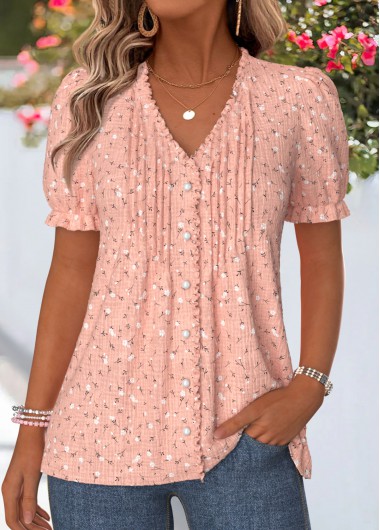
Unfortunately I returned. It is a nice quality top but the pleats just didn't look good on me
MODLILY CLUB
% Off
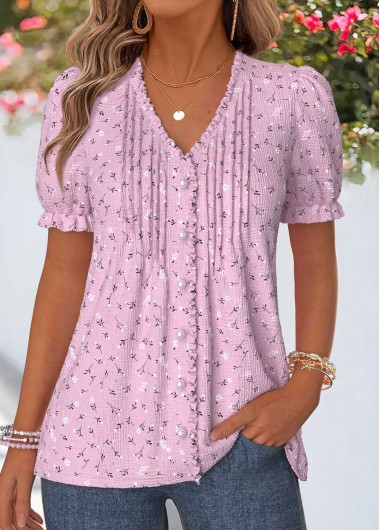
The entire purchase experience was excellent. The product matched the online images, arrived quickly, and has become a reliable and beloved piece in my everyday rotation. Very pleased.
MODLILY CLUB
% Off
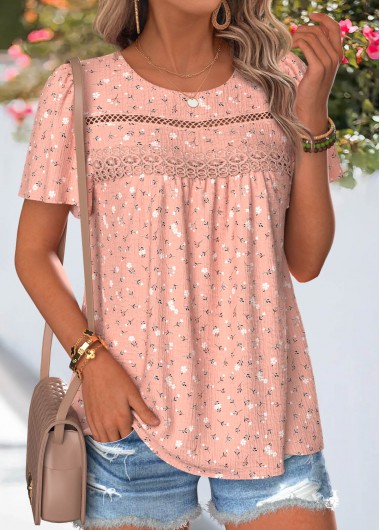
This shirt is really comfortable. Looks great on.
MODLILY CLUB
% Off
 MODLILY CLUB
% Off
MODLILY CLUB
% Off
 MODLILY CLUB
% Off
MODLILY CLUB
% Off
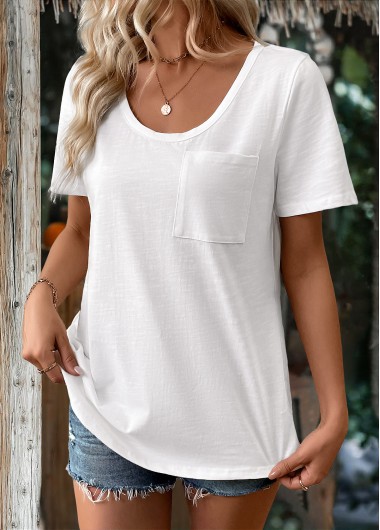 MODLILY CLUB
% Off
MODLILY CLUB
% Off
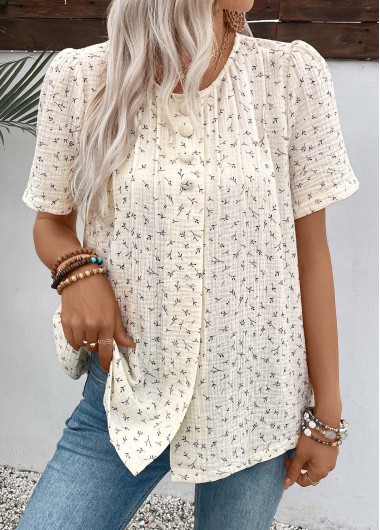 MODLILY CLUB
% Off
MODLILY CLUB
% Off
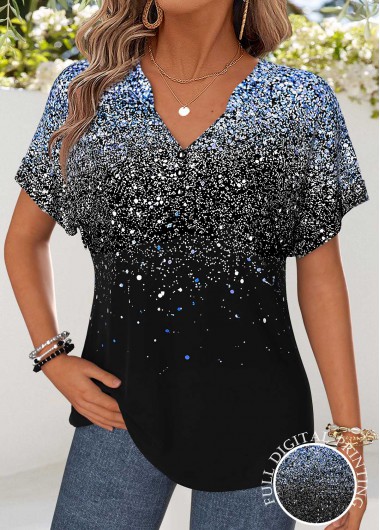 MODLILY CLUB
% Off
MODLILY CLUB
% Off

For most people, yes. Cotton is the traditional T-shirt fiber for good reasons. It breathes well, letting air move through the fabric so you stay cooler in warm weather. It absorbs moisture, which feels comfortable against the skin on hot days. And it softens with washing, so a good cotton tee often feels better after a year than it did new.
Cotton is also gentle on sensitive skin. It rarely causes irritation, it does not build up static the way many synthetics do, and it can be washed at higher temperatures when needed. For anyone who finds synthetic fabrics itchy or clammy, 100 cotton t shirts are usually the first choice.
It does have drawbacks. Pure cotton shrinks, typically a few percent in length after the first hot wash or tumble dry. It wrinkles more easily than blends, and it can lose shape at the neckline and hem over time, especially in lighter weights. Dark cotton also fades gradually.
It also dries more slowly than synthetics, which matters for workouts or humid climates. Day to day, the comfort is usually worth the extra care.
So what is the best 100% cotton t-shirt? One with a mid-weight knit that feels smooth rather than rough, a neckband that springs back when stretched, and seams that lie flat. Combed or ring-spun cotton, which uses longer, smoother fibers, feels softer and pills less than standard cotton.
Womens cotton tees in a mid weight suit most seasons; heavier cotton suits cooler months and relaxed cuts.
What's the difference between pure cotton and 100% cotton? In practice, very little. Both describe a fabric made entirely from cotton fibers. Pure cotton is sometimes used as a marketing term, while 100 percent cotton t shirts are labeled that way because the fiber content is listed by percentage. Either way, the label should show cotton as the only fiber.
The real difference is between cotton and cotton blends. A blend combines cotton with another fiber, most often polyester, spandex or modal. Each changes the fabric. Polyester adds durability, reduces shrinking and helps colors stay bright. Spandex adds stretch and helps the shirt recover its shape. Modal adds softness and drape.
Common blends include 60 percent cotton with 40 percent polyester, which is soft and resists shrinking, and 95 percent cotton with 5 percent spandex, which stretches and fits closer. Tri-blends mix cotton, polyester and rayon for a very soft, slightly heathered look.
Which is better? It depends on what you value. For breathability and a natural feel, choose 100% cotton. For stretch, shape retention and easy care, a blend is often more practical. Many women keep both: cotton for hot days and relaxed wear, blends for fitted tees and travel.
T shirts ladies cotton blends often feel softer at first, while pure cotton improves with age. Neither is wrong; they simply behave differently.
Many shoppers notice that pure cotton is less common than it used to be. There are a few reasons. Blends are often less expensive to produce, because polyester is cheaper than cotton and adds durability. They also shrink less and hold their shape better, which reduces returns and complaints.
Stretch is another factor. Many modern cuts, especially fitted styles, rely on a little spandex to fit comfortably, so the fabric cannot be pure cotton. And some softer fibers such as modal have become popular for their drape.
That does not mean cotton tees have disappeared; they are simply one option among many, and the fiber label is the only way to know what you are buying.
The fiber content is listed on the care label inside the shirt and usually in the product description online. It shows each fiber and its percentage, in order from the largest to the smallest. A label reading 100% cotton contains only cotton; any other fiber listed means a blend.
Look at the weight and knit too, when they are listed. A mid-weight jersey is the everyday standard; slub cotton has a slightly uneven texture; ribbed cotton fits closer and stretches more.
Care instructions tell you how the fabric will behave. Cotton tees labeled wash cold and tumble dry low are expecting some shrinkage; follow the label for the first few washes and the shirt will keep its size.
Cotton t shirts 100 percent pure are worth the search if comfort and breathability matter most. The best cotton t shirts are simply the ones whose label, weight and fit match how you wear them. For 100 cotton tees for women with prints, see cotton graphic T-shirts; for softness, soft T-shirts; for summer, summer T-shirts; and for basics, plain T-shirts and women's T-shirts.

Create Account
Create password to get more coupons!
$100 OFF
New Members only!
Create Account
Create password to get more coupons!
$100 OFF
New Members only!
$20 OFF
for text subscribe

*It includes 4 coupons
Expired:
CODE:
Expired:
Fast Self-Service for Facebook Users.
24/7 online service available to all customers.
To avoid waiting time online, you could submit a ticket to us, our agent will respond within 1 business day.