



Fast Self-Service for Facebook Users.
24/7 online service available to all customers.
To avoid waiting time online, you could submit a ticket to us, our agent will respond within 1 business day.


Fast Self-Service for Facebook Users.
24/7 online service available to all customers.
To avoid waiting time online, you could submit a ticket to us, our agent will respond within 1 business day.
Sign In / Register
My Balance
Modlily Club
Sign in for the best experience
Processing
Please enter a valid number

 MODLILY CLUB
% Off
MODLILY CLUB
% Off
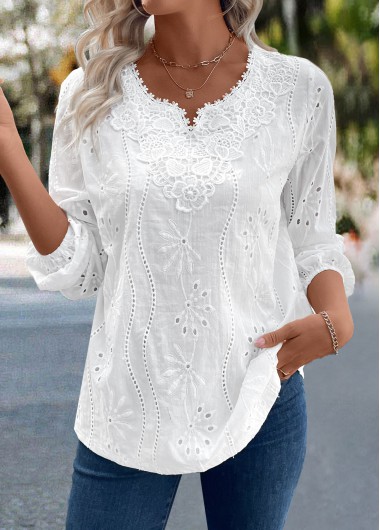
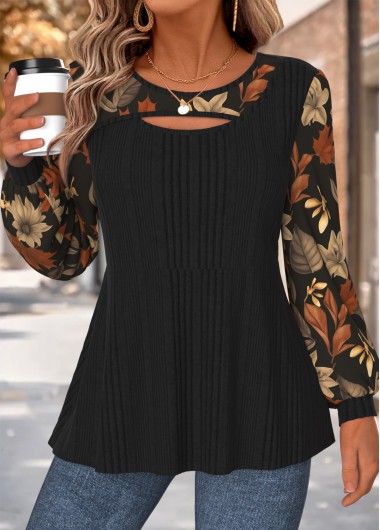
Very nice blouse it fits great!
MODLILY CLUB
% Off
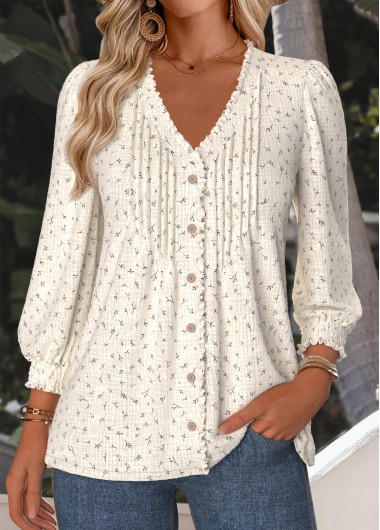
Very comfortable shirt! Love it!
MODLILY CLUB
% Off
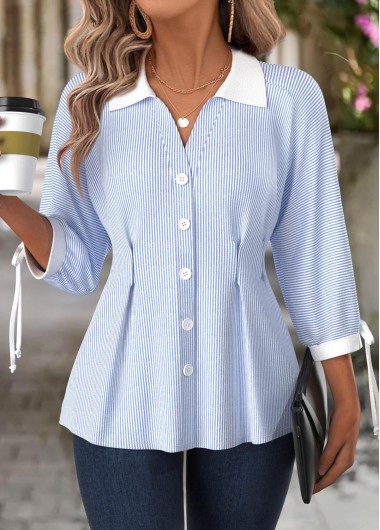
Very light material. Will be cool to wear in the Summer time. Design is really cute.
MODLILY CLUB
% Off
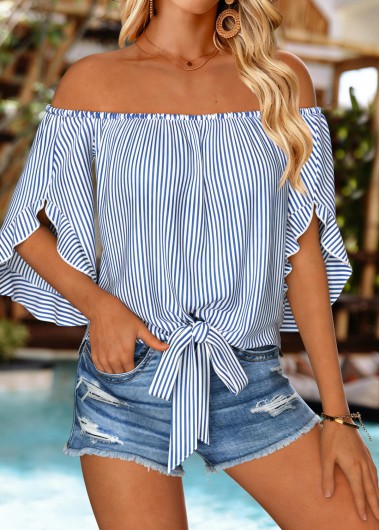
Super Cute Top !!! Perfect Fit. Good Quality. It Looks Great With Denim Shorts, White Shorts, And White Pants. I Have Received Many Compliments.❤️
MODLILY CLUB
% Off
 MODLILY CLUB
% Off
MODLILY CLUB
% Off
 MODLILY CLUB
% Off
MODLILY CLUB
% Off
 MODLILY CLUB
% Off
MODLILY CLUB
% Off
 MODLILY CLUB
% Off
MODLILY CLUB
% Off
 MODLILY CLUB
% Off
MODLILY CLUB
% Off
 MODLILY CLUB
% Off
MODLILY CLUB
% Off
 MODLILY CLUB
% Off
MODLILY CLUB
% Off
 MODLILY CLUB
% Off
MODLILY CLUB
% Off

Cotton quality starts with the fiber itself. Each cotton boll produces fibers called staples, and their length depends on the plant variety. Most everyday cotton has a short or medium staple, which makes a soft, sturdy cloth at a friendly price. Longer staples can be spun into finer, smoother yarn with fewer loose ends on the surface.
Pima and Egyptian cotton are the best-known long-staple types. Pima is grown mainly in the American Southwest, and Supima is a licensed name for cotton that is 100% American Pima. Egyptian cotton comes from the Nile valley. Both make fabric that feels silky, pills less and keeps its color through many washes, which is why they appear in finer shirts.
Organic cotton describes how the plant was grown rather than how long its fibers are: without synthetic pesticides or fertilizers, and certified by an outside body. It can be short or long staple, so it feels much like conventional cotton of the same grade.
A label reading 100% cotton tells you the blouse contains no other fiber, not which grade was used. Many 100% cotton blouses are made from everyday cotton, and that is no drawback; the weave, weight and finish then decide the feel. How different weaves behave is explained on our white cotton blouses page.
Pure cotton creases, so a cotton blouse for the office needs a little help from its weave and cut. A poplin with a small amount of stretch recovers better after hours at a desk, and a slightly heavier weight hangs straighter than a fine voile. Fiber content listing two to five percent elastane alongside the cotton is a good sign.
Color and pattern help too. Dark shades such as navy, olive and deep plum show fewer creases than white or pale pink, and a small print or a fine stripe breaks up the surface so small wrinkles disappear. A crisp stripe in cotton looks especially tidy under a jacket, as our striped blouses show.
Fit plays its part. A cotton blouse with a little ease through the back creases less across the shoulder blades than a tight one, and a hem long enough to stay tucked avoids a bunched waistband by lunchtime. A blazer or cardigan hides the rest, and our work blouses offer more desk-friendly shapes.
Cotton is a year-round fiber. Heavier weaves hold warmth and feel soft against the skin when the weather turns, and they are easier to wash than wool. Flannel is cotton brushed on one or both sides to raise a fuzzy surface; it traps air and feels cozy under a coat.
Chambray looks like light denim, woven with a colored warp and a white weft, and it makes a relaxed shirt that layers well over a tee or under a sweater. Brushed cotton twill has a diagonal weave with a softened face, sturdy enough for chilly mornings, and fine cotton corduroy adds texture in fall.
Long sleeves suit these weights best. A brushed cotton blouse with a collar looks neat under a V-neck sweater, and a flannel shirt worn open over a turtleneck makes a relaxed weekend layer. Plaid is the classic pattern on flannel, and plaid blouses explains how the two words differ. For more cold-weather layering, see winter blouses.
Cotton is a favorite for many women in their 60s, 70s and beyond, largely because it feels gentle on skin that has become more sensitive with time. For cooler days, a long sleeve or 3/4 sleeve cotton blouse offers coverage without the itch of wool.
Details decide how easy a blouse is to live with. Larger buttons, a placket that opens far enough to slip on without a struggle and a neckline that pulls on easily all help on stiff mornings. A knitted cotton blouse with a woven look is another option: it stretches as you dress but looks like a proper blouse once on.
Soft colors such as dusty pink, sage and light blue flatter mature skin, and a small ditsy print looks fresh. Short sleeve styles with room to move are gathered under short sleeve cotton blouses for older women, and classic blouses offer timeless shapes.
Cotton is easy to care for, and a few habits keep it looking new. Wash in cold or lukewarm water, as hot water is the main cause of shrinking, especially with 100% cotton that has not been pre-shrunk. Turning printed blouses inside out protects the color.
The dryer is where most cotton blouses lose size. Hanging them to dry, or taking them out while still slightly damp, keeps the fit close to the original. That matters most if you are between sizes or wear plus sizes, where a small shrink in length or across the bust is easy to notice.
Iron cotton while it is still a little damp, on a hot setting, working from the collar and cuffs toward the body. A steamer handles crinkled weaves. Hanging the blouse on a wide hanger straight after ironing keeps the shoulders smooth until you wear it.

Create Account
Create password to get more coupons!
$100 OFF
New Members only!
Create Account
Create password to get more coupons!
$100 OFF
New Members only!
$20 OFF
for text subscribe

*It includes 4 coupons
Expired:
CODE:
Expired:
Fast Self-Service for Facebook Users.
24/7 online service available to all customers.
To avoid waiting time online, you could submit a ticket to us, our agent will respond within 1 business day.