



Fast Self-Service for Facebook Users.
24/7 online service available to all customers.
To avoid waiting time online, you could submit a ticket to us, our agent will respond within 1 business day.


Fast Self-Service for Facebook Users.
24/7 online service available to all customers.
To avoid waiting time online, you could submit a ticket to us, our agent will respond within 1 business day.
Sign In / Register
My Balance
Modlily Club
Sign in for the best experience
Processing
 Multi Color
Blue
Green
Navy Blue
Cyan
Royal Blue
Red
Hot Pink
Coral
White
Yellow
Brown
Grey
Purple
Multi Color
Blue
Green
Navy Blue
Cyan
Royal Blue
Red
Hot Pink
Coral
White
Yellow
Brown
Grey
Purple Please enter a valid number
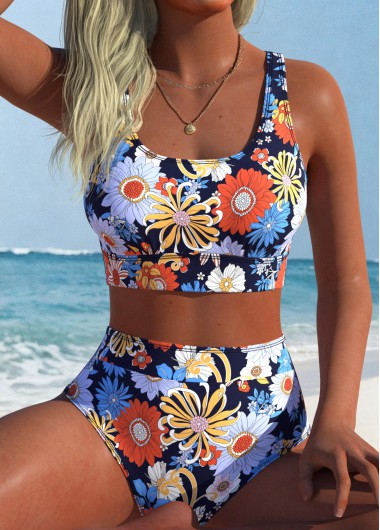

Perfect fit and comfortable too!
 MODLILY CLUB
% Off
MODLILY CLUB
% Off
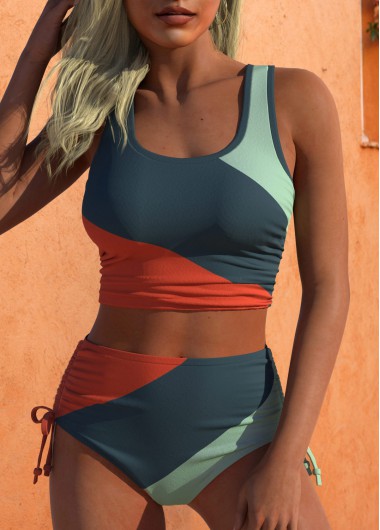
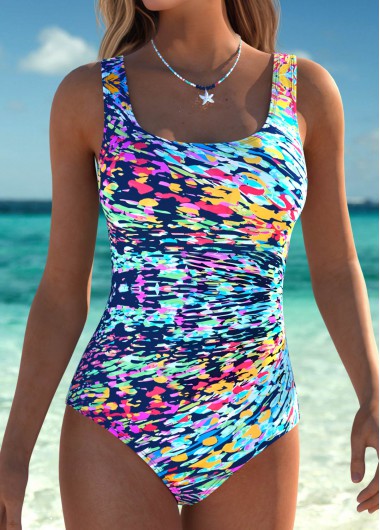
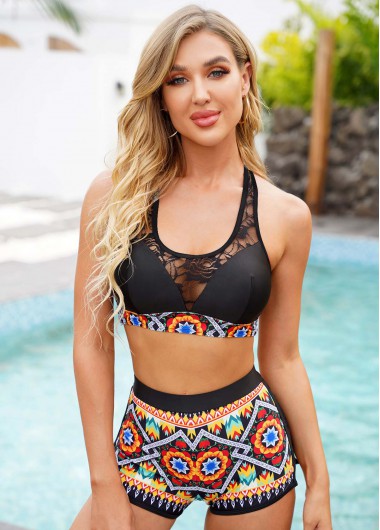
I love this bathing suit! It fits really well and covers up what I want covered. The colors are bold and beautiful!
MODLILY CLUB
% Off
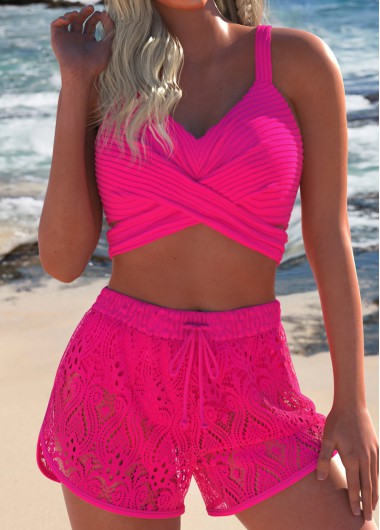
Fits a little loose but I love it!
MODLILY CLUB
% Off
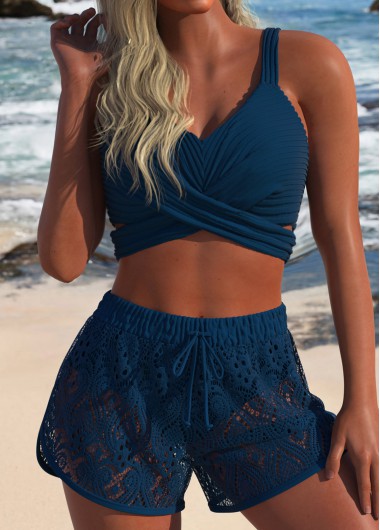
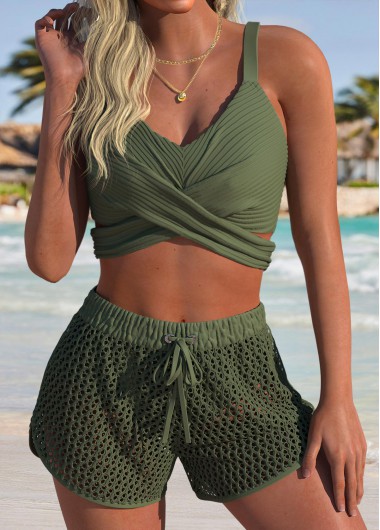
These shorts are super sexy and the top is super comfy
MODLILY CLUB
% Off
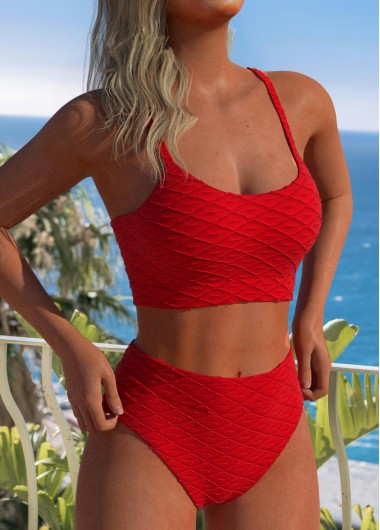
Absolutely flattering. Tummy control. My husband ask me to pose for a picture. I’m 5’5 130lbs. Normally wear 2-4 but I ordered based on my bra cup size and it fit great.
MODLILY CLUB
% Off
 MODLILY CLUB
% Off
MODLILY CLUB
% Off
 MODLILY CLUB
% Off
MODLILY CLUB
% Off
 MODLILY CLUB
% Off
MODLILY CLUB
% Off
 MODLILY CLUB
% Off
MODLILY CLUB
% Off
 MODLILY CLUB
% Off
MODLILY CLUB
% Off
 MODLILY CLUB
% Off
MODLILY CLUB
% Off
 MODLILY CLUB
% Off
MODLILY CLUB
% Off
 MODLILY CLUB
% Off
MODLILY CLUB
% Off
 MODLILY CLUB
% Off
MODLILY CLUB
% Off
 MODLILY CLUB
% Off
MODLILY CLUB
% Off
 MODLILY CLUB
% Off
MODLILY CLUB
% Off
 MODLILY CLUB
% Off
MODLILY CLUB
% Off
 MODLILY CLUB
% Off
MODLILY CLUB
% Off
 MODLILY CLUB
% Off
MODLILY CLUB
% Off
 MODLILY CLUB
% Off
MODLILY CLUB
% Off
 MODLILY CLUB
% Off
MODLILY CLUB
% Off
 MODLILY CLUB
% Off
MODLILY CLUB
% Off
 MODLILY CLUB
% Off
MODLILY CLUB
% Off
 MODLILY CLUB
% Off
MODLILY CLUB
% Off
 MODLILY CLUB
% Off
MODLILY CLUB
% Off
 MODLILY CLUB
% Off
MODLILY CLUB
% Off
 MODLILY CLUB
% Off
MODLILY CLUB
% Off
 MODLILY CLUB
% Off
MODLILY CLUB
% Off
 MODLILY CLUB
% Off
MODLILY CLUB
% Off
 MODLILY CLUB
% Off
MODLILY CLUB
% Off
 MODLILY CLUB
% Off
MODLILY CLUB
% Off
 MODLILY CLUB
% Off
MODLILY CLUB
% Off
 MODLILY CLUB
% Off
MODLILY CLUB
% Off
 MODLILY CLUB
% Off
MODLILY CLUB
% Off
 MODLILY CLUB
% Off
MODLILY CLUB
% Off
 MODLILY CLUB
% Off
MODLILY CLUB
% Off
 MODLILY CLUB
% Off
MODLILY CLUB
% Off
 MODLILY CLUB
% Off
MODLILY CLUB
% Off
 MODLILY CLUB
% Off
MODLILY CLUB
% Off
 MODLILY CLUB
% Off
MODLILY CLUB
% Off
 MODLILY CLUB
% Off
MODLILY CLUB
% Off
 MODLILY CLUB
% Off
MODLILY CLUB
% Off
 MODLILY CLUB
% Off
MODLILY CLUB
% Off
 MODLILY CLUB
% Off
MODLILY CLUB
% Off
 MODLILY CLUB
% Off
MODLILY CLUB
% Off
 MODLILY CLUB
% Off
MODLILY CLUB
% Off
 MODLILY CLUB
% Off
MODLILY CLUB
% Off
 MODLILY CLUB
% Off
MODLILY CLUB
% Off
 MODLILY CLUB
% Off
MODLILY CLUB
% Off
 MODLILY CLUB
% Off
MODLILY CLUB
% Off
 MODLILY CLUB
% Off
MODLILY CLUB
% Off
 MODLILY CLUB
% Off
MODLILY CLUB
% Off
 MODLILY CLUB
% Off
MODLILY CLUB
% Off
 MODLILY CLUB
% Off
MODLILY CLUB
% Off
 MODLILY CLUB
% Off
MODLILY CLUB
% Off
 MODLILY CLUB
% Off
MODLILY CLUB
% Off
 MODLILY CLUB
% Off
MODLILY CLUB
% Off
 MODLILY CLUB
% Off
MODLILY CLUB
% Off
 MODLILY CLUB
% Off
MODLILY CLUB
% Off
 MODLILY CLUB
% Off
MODLILY CLUB
% Off
 MODLILY CLUB
% Off
MODLILY CLUB
% Off
 MODLILY CLUB
% Off
MODLILY CLUB
% Off
 MODLILY CLUB
% Off
MODLILY CLUB
% Off
 MODLILY CLUB
% Off
MODLILY CLUB
% Off
 MODLILY CLUB
% Off
MODLILY CLUB
% Off
 MODLILY CLUB
% Off
MODLILY CLUB
% Off
 MODLILY CLUB
% Off
MODLILY CLUB
% Off
 MODLILY CLUB
% Off
MODLILY CLUB
% Off
 MODLILY CLUB
% Off
MODLILY CLUB
% Off
 MODLILY CLUB
% Off
MODLILY CLUB
% Off
 MODLILY CLUB
% Off
MODLILY CLUB
% Off
 MODLILY CLUB
% Off
MODLILY CLUB
% Off

Yes, and plenty of surfers prefer one. A bikini leaves the arms and shoulders completely free to paddle, dries fast between sessions and is cooler on warm-water days. The trade-off is that a wave hitting from the wrong angle tests every tie and edge, so the construction has to be chosen for it.
The difference between a surf bikini and a beach bikini is almost entirely about retention. A beach bikini is designed for standing, lying and gentle swimming; a surf bikini is designed for a board pressing against the chest, arms moving overhead and water hitting at speed. Detailing that looks good on a lounger — thin ties, tiny triangles, very low rises — is exactly what gives way in the surf.
In cooler water or on long sessions, many surfers add a fitted top over the bikini for sun and board rash; the rash guard bikinis page covers that combination.
This is the question every surfer asks, and the answer lies in a few specific features more than in size alone.
Fit is the other half. A surf bikini should feel slightly snugger on dry land than a beach bikini would, because fabric relaxes in water. If you can easily lift the band away from your ribs, it will move once you start paddling.
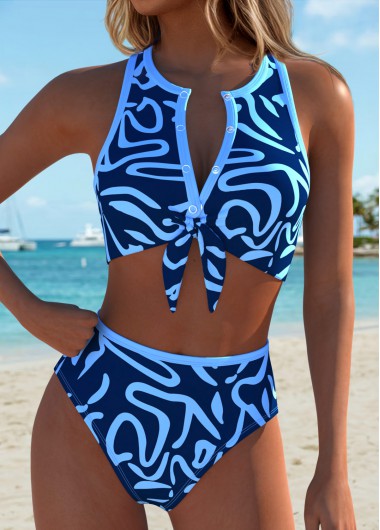
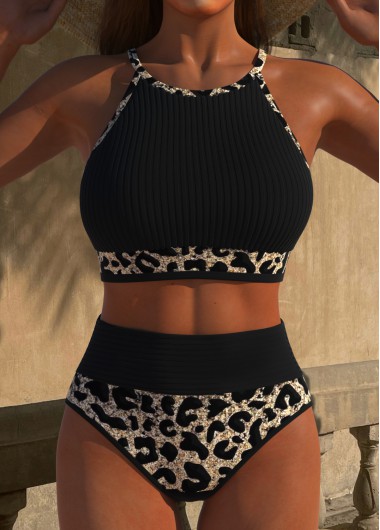
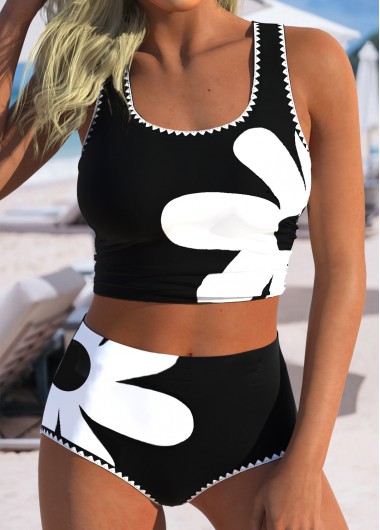
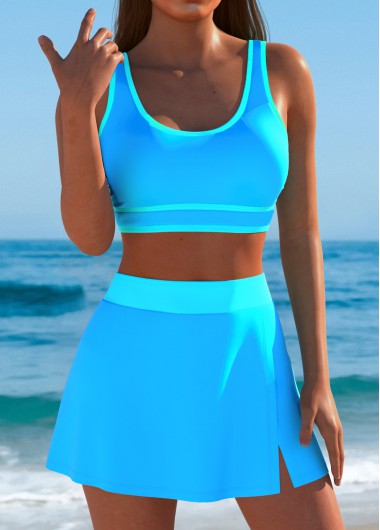
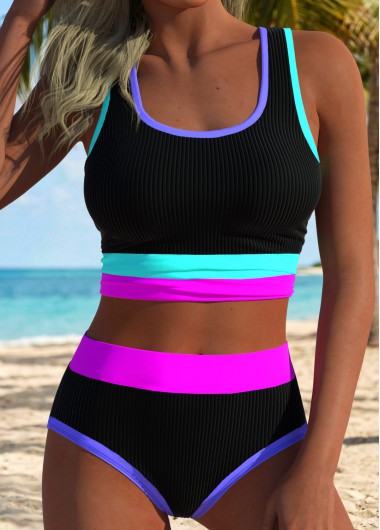
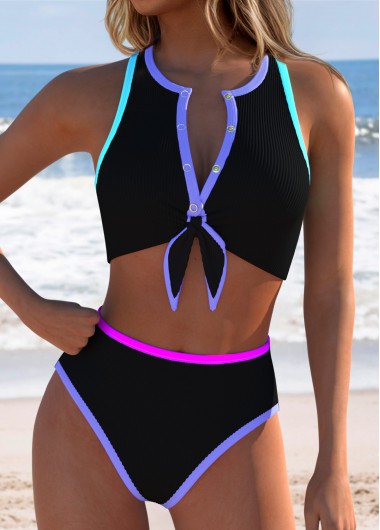
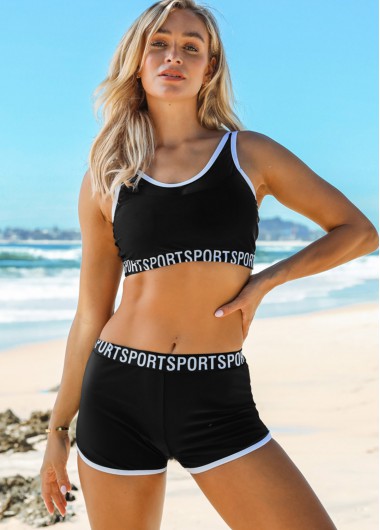
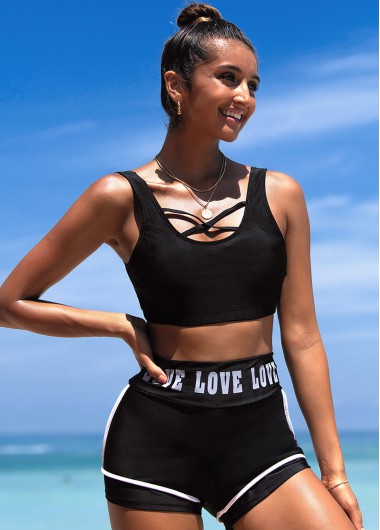
Two top shapes lead in surf styles. A crop vest top covers like a short sports top — wide straps, a higher neckline and a band that sits low on the ribs — and handles the pressure of lying on a board. A pullover sports vest goes on over the head with no closure at all, which leaves nothing to come undone.
Both keep the chest covered while paddling, since the neckline sits higher than a triangle's. A halter can also work if it fastens behind the back as well as the neck; neck-only ties carry the whole weight on the neck and tend to slip under impact.
Padding is personal preference. Removable pads can shift inside the cup during a duck dive, so surfers often take them out or choose a molded cup that holds its shape without inserts. Whichever you pick, reach both arms forward in front of a mirror before the first session; if the band lifts there, it will lift on a board.
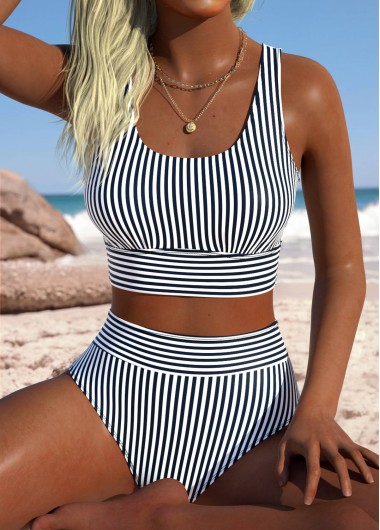
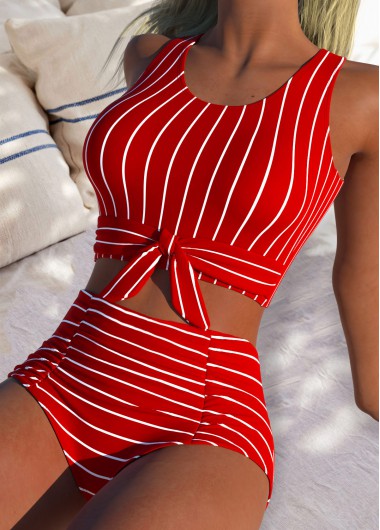
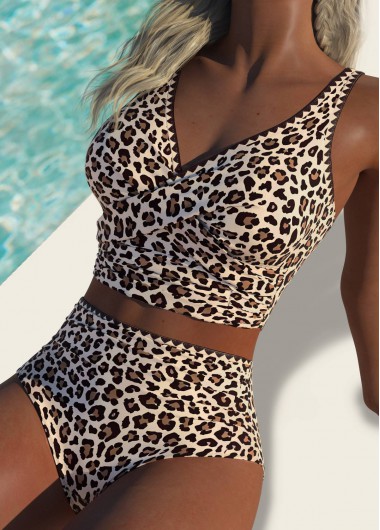
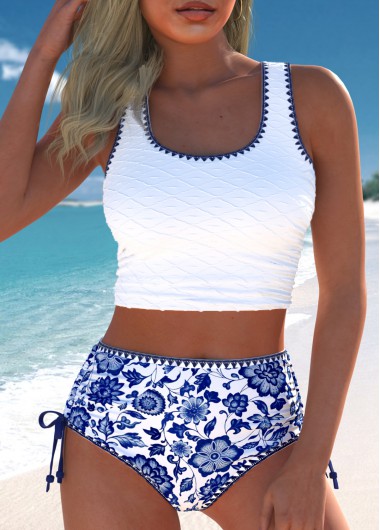
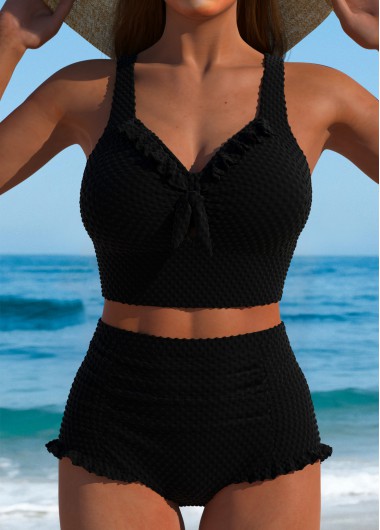
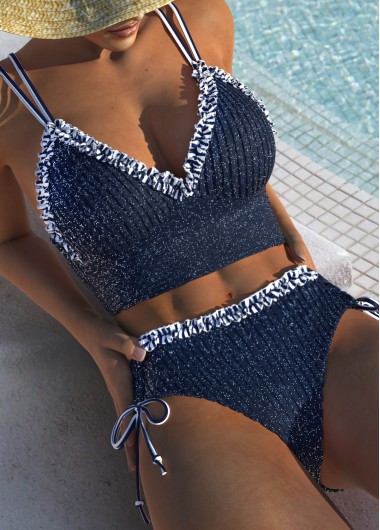
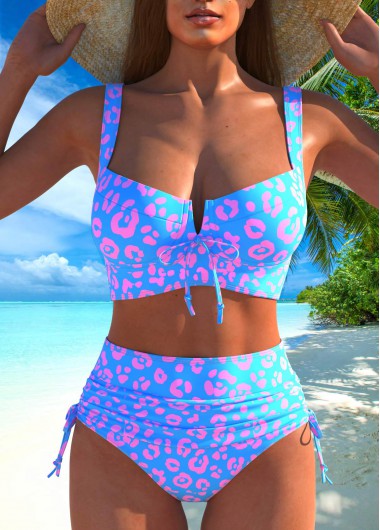
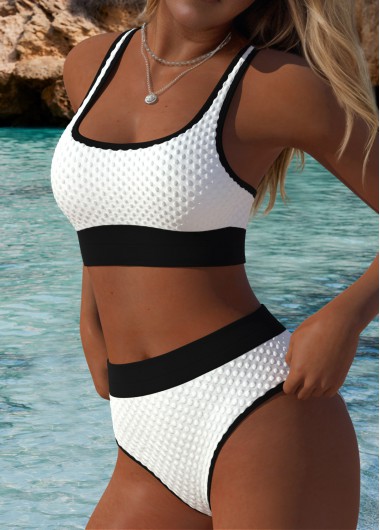
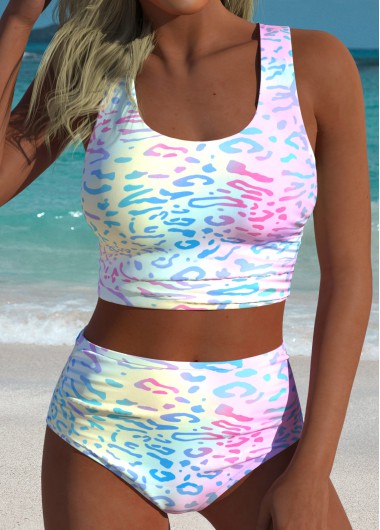
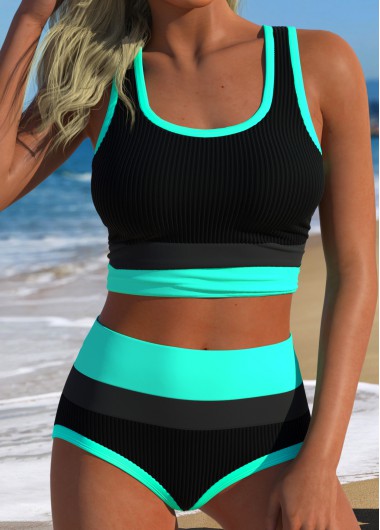
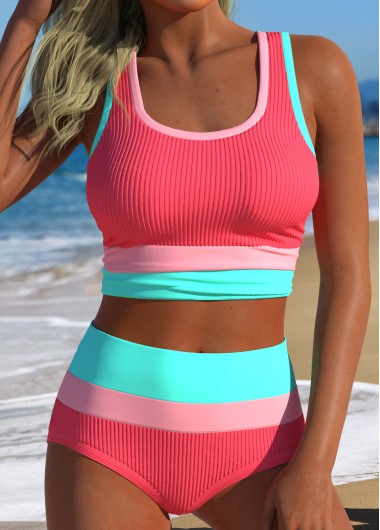
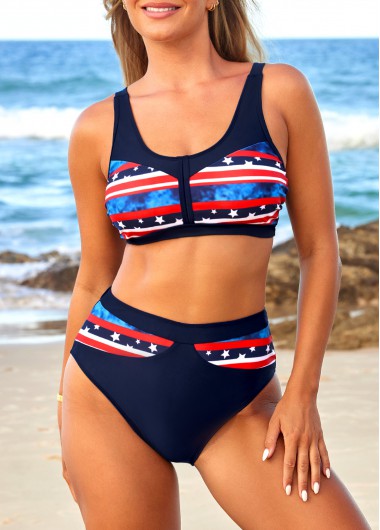
Bottoms need to stay put through pop-ups, falls and duck dives. A high waisted bikini set gives the most grip, a mid rise is a good middle ground, and tie-side bottoms are best kept for the beach. Moderate or full seat coverage stays in place better than a cheeky back, which rides up with movement.
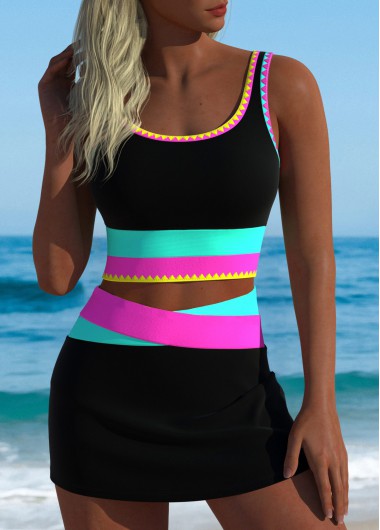
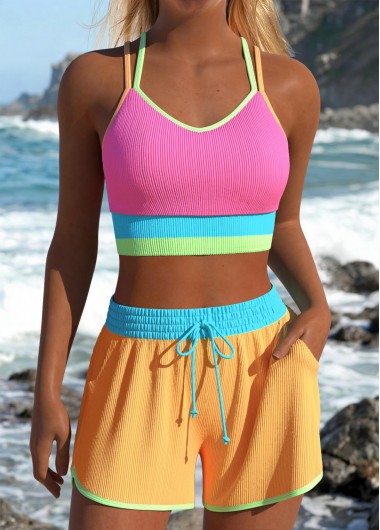
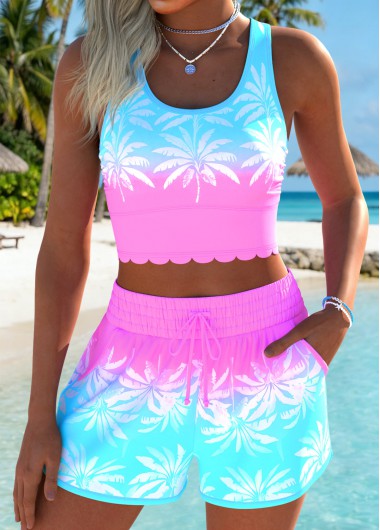
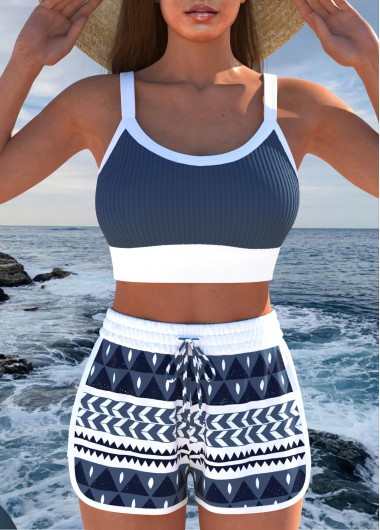
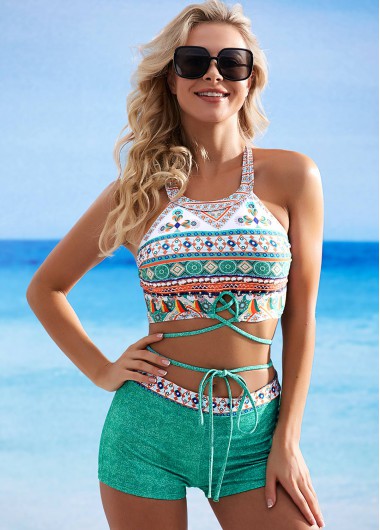
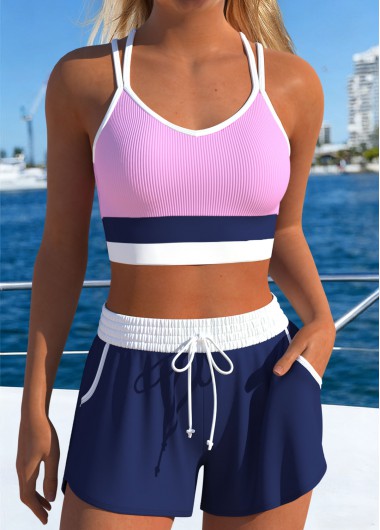
For extra coverage and protection against board wax and sun, surfers often add swimwear shorts over the bottom. A snug short that reaches the upper thigh fills with water far less than a loose, long one, and full coverage swimwear bottoms give a similar seat without the extra layer.
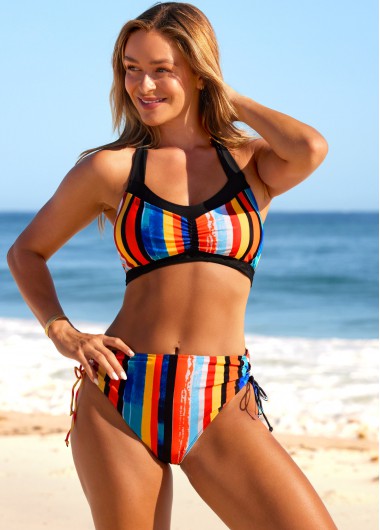
Color matters in the water too. Brighter tones and prints are easier to pick out from the beach, while dark solids hide wax marks and sand stains best over a long season of sessions. A bright top over a dark bottom offers a little of both.

Create Account
Create password to get more coupons!
$100 OFF
New Members only!
Create Account
Create password to get more coupons!
$100 OFF
New Members only!
$20 OFF
for text subscribe

*It includes 4 coupons
Expired:
CODE:
Expired:
Fast Self-Service for Facebook Users.
24/7 online service available to all customers.
To avoid waiting time online, you could submit a ticket to us, our agent will respond within 1 business day.