



Fast Self-Service for Facebook Users.
24/7 online service available to all customers.
To avoid waiting time online, you could submit a ticket to us, our agent will respond within 1 business day.


Fast Self-Service for Facebook Users.
24/7 online service available to all customers.
To avoid waiting time online, you could submit a ticket to us, our agent will respond within 1 business day.
Sign In / Register
My Balance
Modlily Club
Sign in for the best experience
Processing
Please enter a valid number

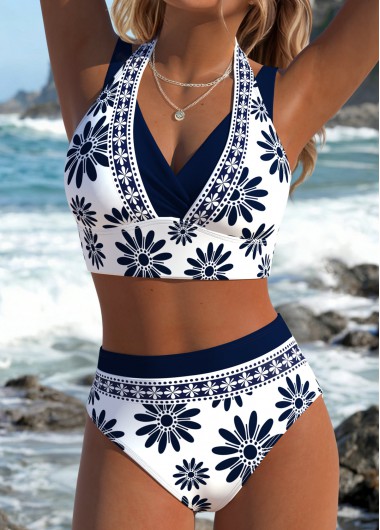
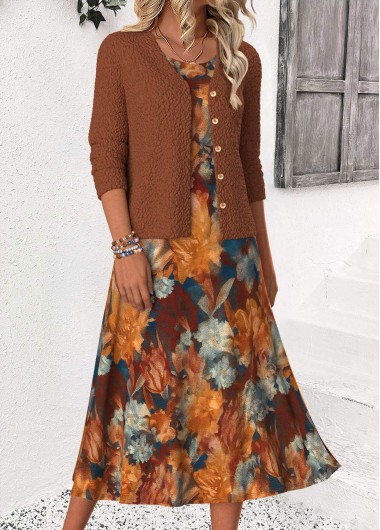
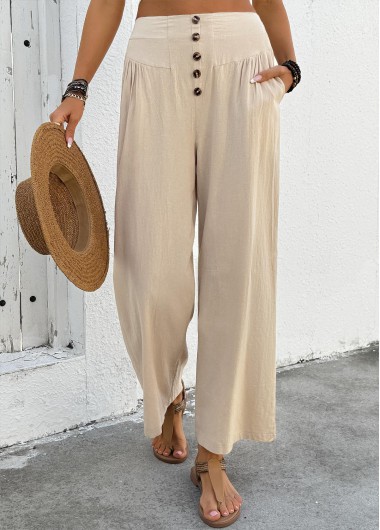
The best of the best. Comfortable, classy and pairs great with the navy/white polka dot back bow top!
 MODLILY CLUB
% Off
MODLILY CLUB
% Off
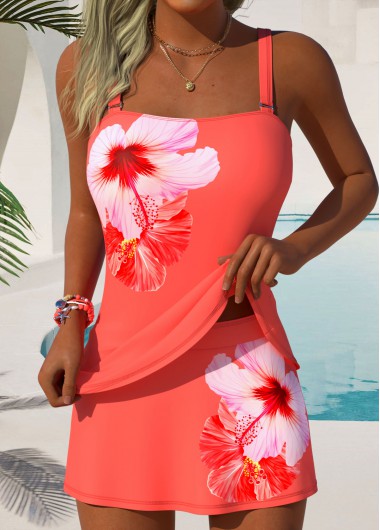
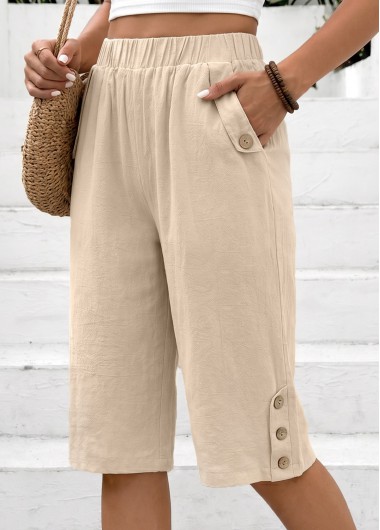
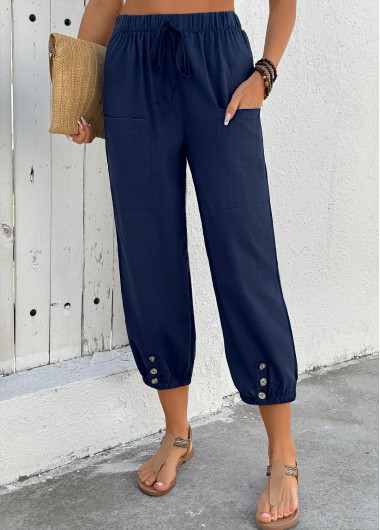
Perfect crop length for me (5'8"). Lightweight and I love the color.
MODLILY CLUB
% Off
 MODLILY CLUB
% Off
MODLILY CLUB
% Off
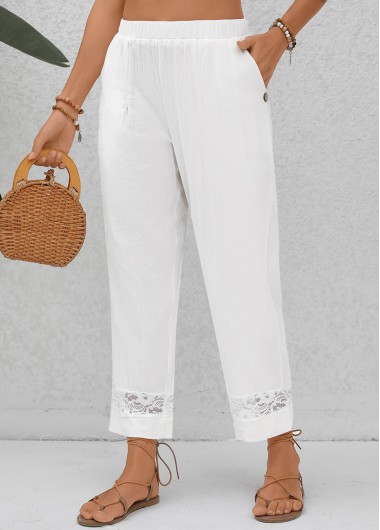
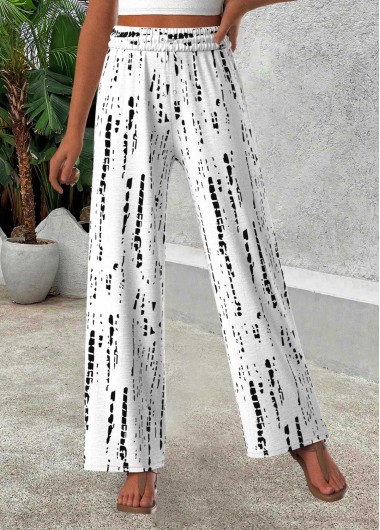
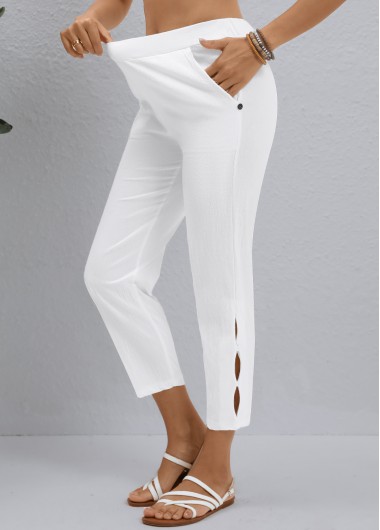
Another winner. Roomy and very comfortable. I hesitate buying white since I tend to be on the chunkier side, however, these looked great.
MODLILY CLUB
% Off
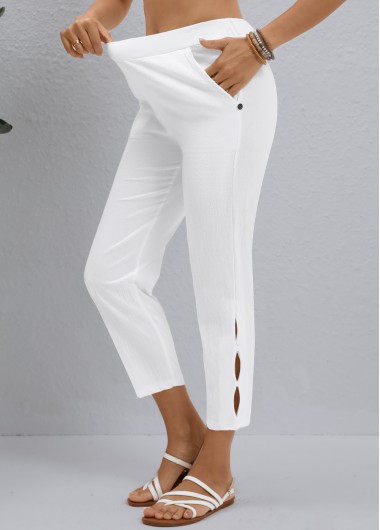
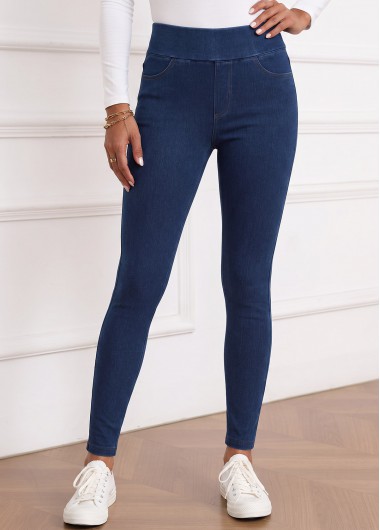
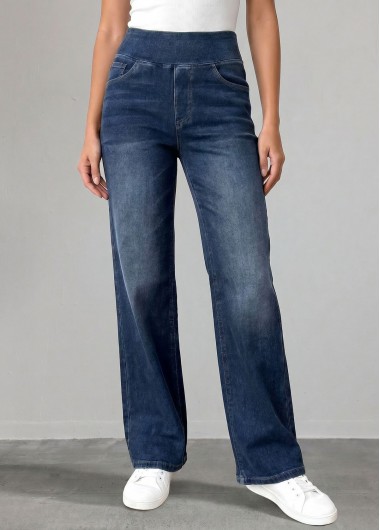
I love these pants. Most comfortable thing I have ever worn. Perfect in the evening. Pair it with a bright top and you will look and feel great. These are true to size
MODLILY CLUB
% Off

Cotton pants can use pure cotton or a blend, so the individual composition is the most useful starting point. A description that explicitly states 100% cotton identifies the fiber content of that garment. A blend lists cotton alongside other fibers, each contributing to the finished material. These details help you choose around a preference without treating the category name as a promise that every pair uses the same composition.
When looking for 100 cotton pants, check for the percentage symbol and the full written fiber information. Words such as soft, natural looking or casual describe an impression without settling the composition. Product photographs can help you compare surface texture, but they cannot establish a percentage. A cotton rich blend may appeal to you for different reasons from pure cotton; neither label explains every aspect of weight, drape or construction.
Women's cotton pants should also be chosen as a complete garment. The waist arrangement, leg room and lining, when stated, can affect how the pair feels during the day. Use the fiber information for the material decision and the measurements for fit. For the cropped version of this preference, cotton capri pants focuses on a shorter hem rather than the whole everyday trouser wardrobe.
Organic cotton pants involve a claim about the cotton's production, separate from the percentage of cotton in a finished garment. A pure cotton composition does not by itself establish organic status. If this distinction matters to you, look for an explicit organic description and supporting product information. An ordinary cotton label leaves that additional claim unconfirmed, even when the fabric has a soft or natural appearance.
The amount of cotton and the evidence for an organic claim answer different questions. A garment could contain a cotton blend while giving information about the source of its cotton, or it could be pure cotton without such a source claim. Read the actual wording carefully instead of combining separate labels into one assumption. Color is no guide either: a cream or beige garment does not establish that its fibers were grown organically.
Use these distinctions to compare garments against your own priorities. If organic content is essential, establish that point before deciding on the leg shape or accessories. If your preference is simply cotton content, the composition is the more relevant comparison. Polyester pants offers another material direction when you are considering different fibers, while keeping the final choice grounded in the details of each pair.
For an everyday full trouser outfit, begin with a top that already feels useful in your wardrobe. A plain shirt can suit an errand morning, while a softly shaped blouse can move the same idea toward lunch with friends. The fiber preference does not need to become the visual focus. Color, shoe choice and the line of the trousers can do that work while you enjoy the material you selected.
A straight leg and a roomier leg give cotton outfits different outlines. Compare straight leg pants when you prefer a quieter lower half, or loose pants if room through the leg is central to your choice. Cotton content does not determine either shape. Review the actual garment measurements alongside the pictures so that your preferred outline comes with the fit you expect.
For a dark base, a light shirt and simple shoes can keep the outfit easy to arrange. A pale pair can sit naturally beside soft blue or a small print. Browse casual pants when comparing the wider range of everyday trouser looks. Choose the combination around where you are going, with a layer for cooler rooms and a bag that carries what you need.
The care instructions belong to the particular garment, including its fabric, finish and construction. Read them before washing, even when you have owned other cotton trousers. A textured surface and a smooth one may need different handling to retain the appearance you like. Cotton content is useful information, but it does not replace the directions supplied with the finished pair.
A deliberate attempt to shrink trousers is an uncertain way to change their fit. The waist, length and seams may respond differently, leaving an outline you did not intend. Select the size and measurements you need at the start, then care for the garment as directed. For a full hem that suits your shoes, compare long pants and establish the length before thinking about washing as a way to alter it.
Keep the garment's normal finish in mind when deciding whether it needs pressing or another step. A lightly textured fabric does not have to imitate a perfectly smooth one. Follow any stated temperature and drying directions, and reassess the pair once it is dry. A useful cotton trouser wardrobe comes from a clear composition choice, an appropriate fit and care that supports the garment you actually selected.

Create Account
Create password to get more coupons!
$100 OFF
New Members only!
Create Account
Create password to get more coupons!
$100 OFF
New Members only!
$20 OFF
for text subscribe

*It includes 4 coupons
Expired:
CODE:
Expired:
Fast Self-Service for Facebook Users.
24/7 online service available to all customers.
To avoid waiting time online, you could submit a ticket to us, our agent will respond within 1 business day.