



Fast Self-Service for Facebook Users.
24/7 online service available to all customers.
To avoid waiting time online, you could submit a ticket to us, our agent will respond within 1 business day.


Fast Self-Service for Facebook Users.
24/7 online service available to all customers.
To avoid waiting time online, you could submit a ticket to us, our agent will respond within 1 business day.
Sign In / Register
My Balance
Modlily Club
Sign in for the best experience
Processing
 Multi Color
Please enter a valid number
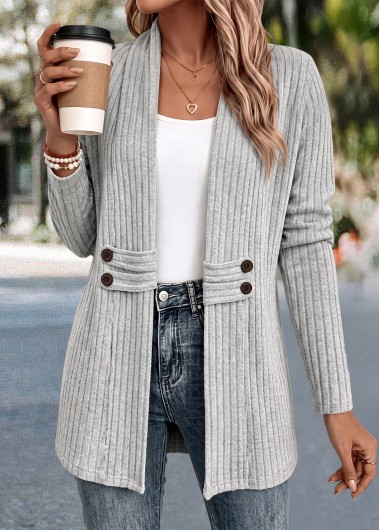

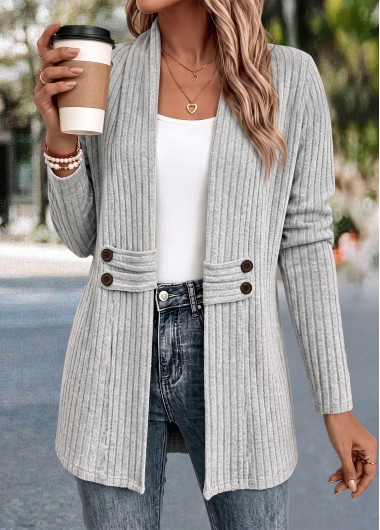
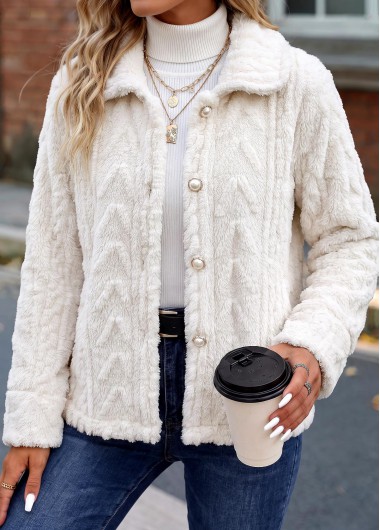
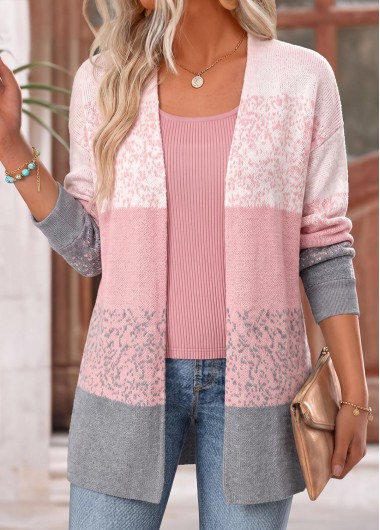
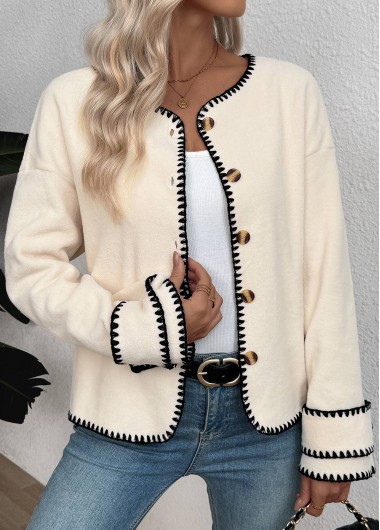
Excellent purchase! The quality, fit, and style are all outstanding. Highly recommend this cardigan.
 MODLILY CLUB
% Off
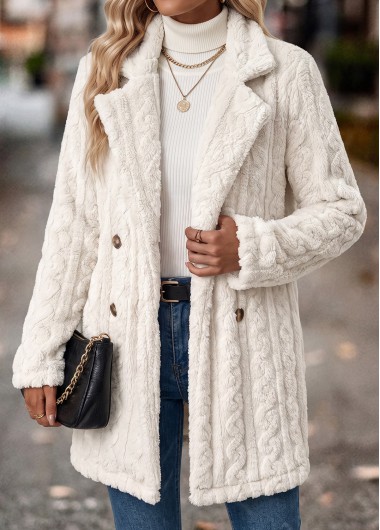
Classy. Warm.
MODLILY CLUB
% Off
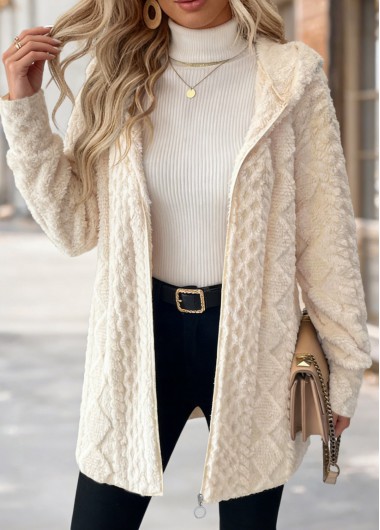
Love the color, fit and texture!
MODLILY CLUB
% Off
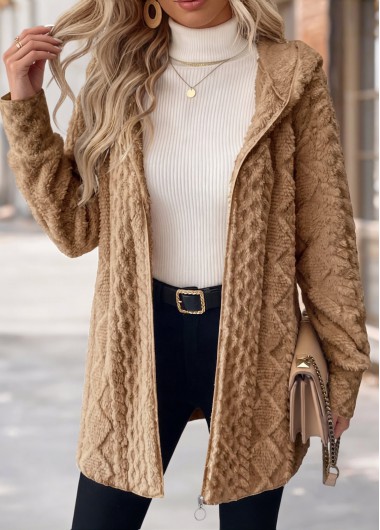
Love it. I only wish it had pockets!
MODLILY CLUB
% Off
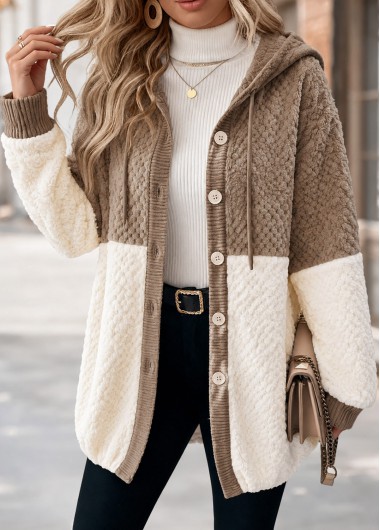
This is lovely, it's so soft
MODLILY CLUB
% Off
 MODLILY CLUB
% Off
 MODLILY CLUB
% Off
 MODLILY CLUB
% Off
 MODLILY CLUB
% Off
 MODLILY CLUB
% Off
 MODLILY CLUB
% Off
 MODLILY CLUB
% Off
 MODLILY CLUB
% Off
 MODLILY CLUB
% Off
 MODLILY CLUB
% Off
 MODLILY CLUB
% Off
 MODLILY CLUB
% Off
 MODLILY CLUB
% Off
 MODLILY CLUB
% Off
 MODLILY CLUB
% Off
 MODLILY CLUB
% Off
 MODLILY CLUB
% Off
 MODLILY CLUB
% Off
 MODLILY CLUB
% Off
 MODLILY CLUB
% Off
 MODLILY CLUB
% Off
 MODLILY CLUB
% Off
 MODLILY CLUB
% Off
 MODLILY CLUB
% Off
 MODLILY CLUB
% Off
 MODLILY CLUB
% Off
 MODLILY CLUB
% Off
 MODLILY CLUB
% Off
 MODLILY CLUB
% Off
 MODLILY CLUB
% Off
 MODLILY CLUB
% Off
 MODLILY CLUB
% Off
 MODLILY CLUB
% Off
 MODLILY CLUB
% Off
 MODLILY CLUB
% Off

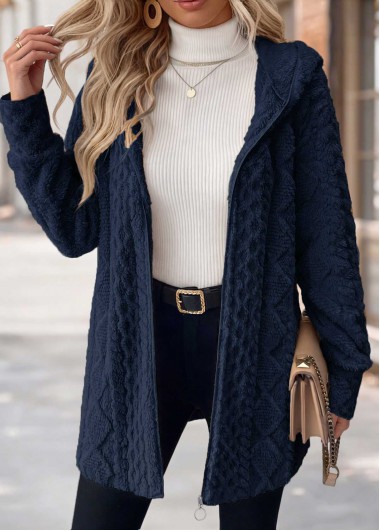
Winter coats need to work with the layers already worn beneath them. A comfortable outer layer leaves space through the shoulders, upper arms, and front while keeping a clear outline. The collection includes hoods, lapels, zippers, buttons, pockets, plaid patterns, and open fronts. A reliable starting point is the real routine: how much time you spend outside, what you wear indoors, and how often you adjust layers during the day.
Begin with the thickest top you expect to wear. Fine knitwear needs less room than textured sweaters, and a cardigan adds another layer through the sleeves and shoulders. When trying to picture the fit, include normal movement: reaching for a bag, steering a car, sitting down, and lifting the arms. Winter coats that allow these movements are more useful than styles chosen only for how smooth they look while standing still.
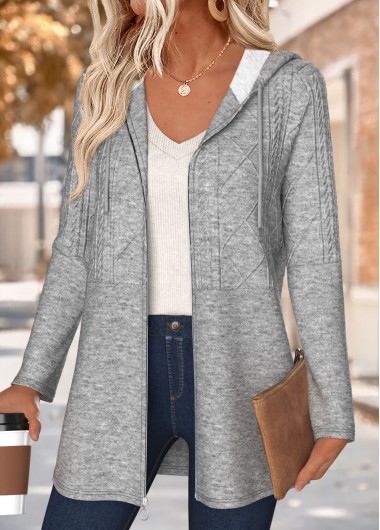
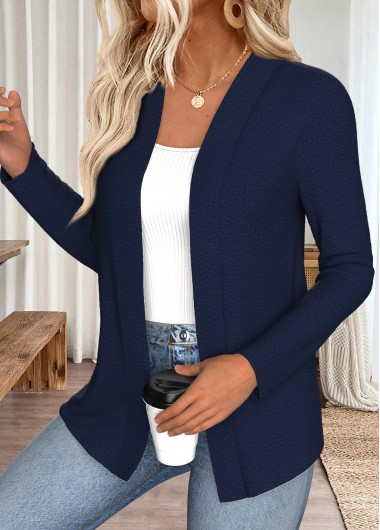
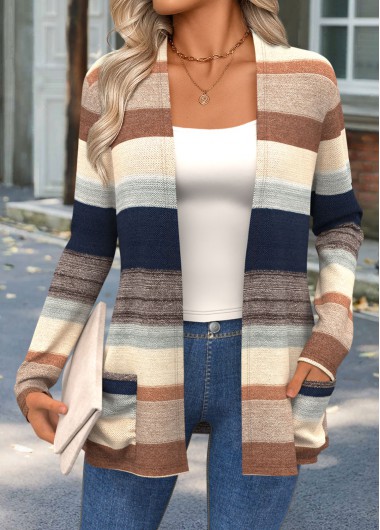
Closures make a practical difference. Zippers close quickly and create a continuous front, while buttons let you adjust only the upper or lower section. Open fronts feel flexible through changing temperatures but provide a different type of coverage. Temperature needs vary with the routine, so add or remove base and mid layers as the day moves between heated rooms and colder streets.
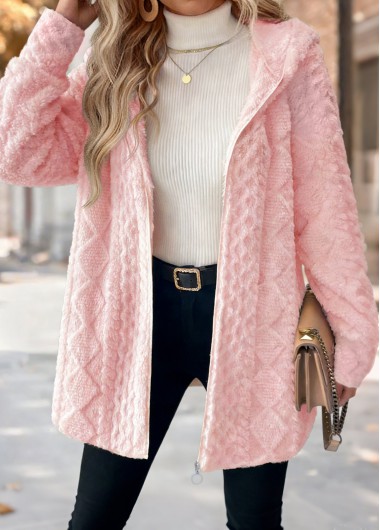
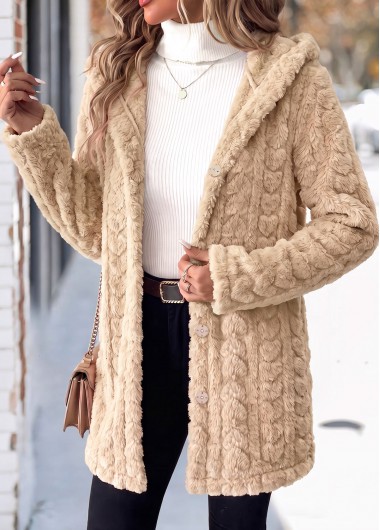
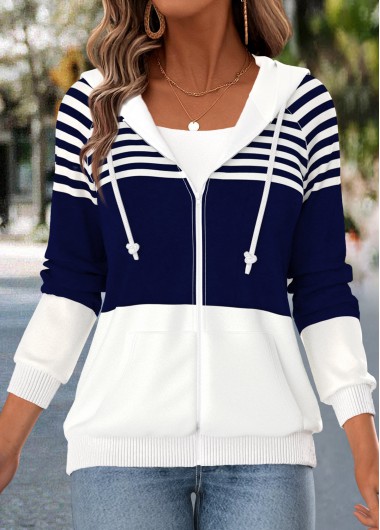
If broad seasonal options feel too varied, warm winter coats pair naturally with your favorite cold-day knitwear, while winter hooded coats put neckline and head coverage first. Choose a neckline that sits comfortably beside your scarf, and leave space for the sweater you wear most often when heading out on cold days.
Length changes where the body feels covered and how the layer works with the lower half of an outfit. Longer hems extend over tunics and sweaters and create a continuous line with trousers or boots. Shorter shapes can be easier for driving and frequent sitting. If you prefer extra coverage below your sweater, long winter coats create a longer outer silhouette around pants, dresses, and boots.
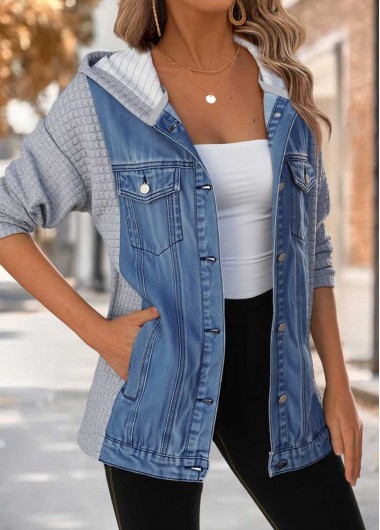
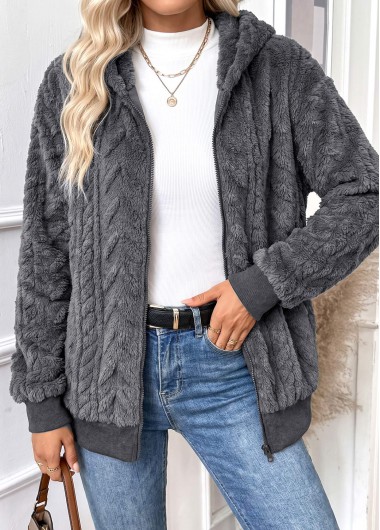
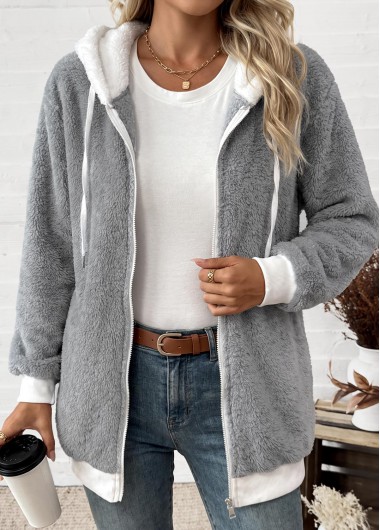
Hoods change the upper outline. A generous hood works best with a smaller scarf or a simple neckline, because too much fabric around the neck can feel crowded. Without a hood, a larger scarf becomes easier to arrange and can supply color near the face. Look at the front photographs to see whether the hood lies flat, stands away from the shoulders, or visually merges with the collar.
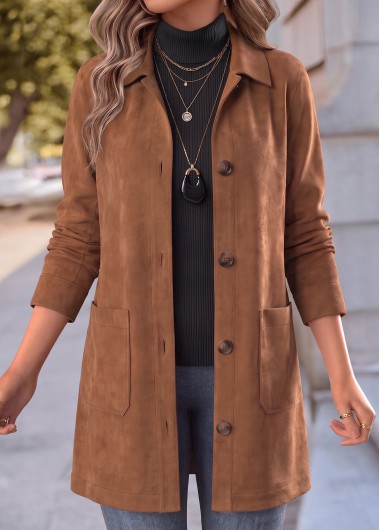
Pockets matter on active days. Side pockets keep the front relatively clean, patch pockets add a casual note, and a kangaroo-style pocket creates a sportier center. Product details should be checked style by style because pocket depth and closure can differ. The visible placement still helps you decide whether the shape suits errands, walks, travel, or a more polished daily routine.
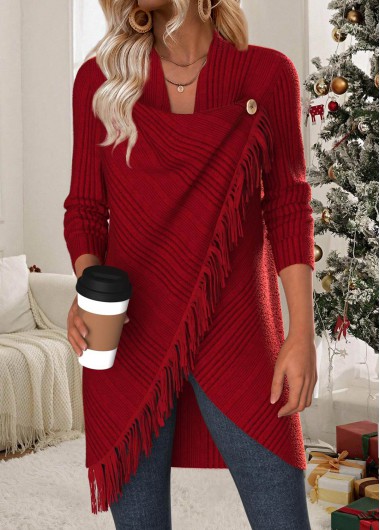
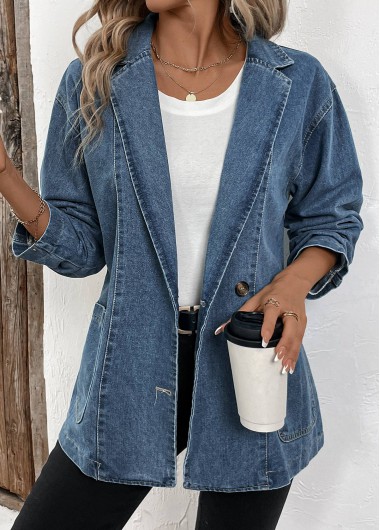
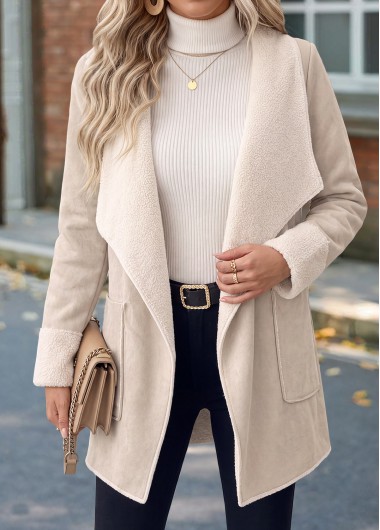
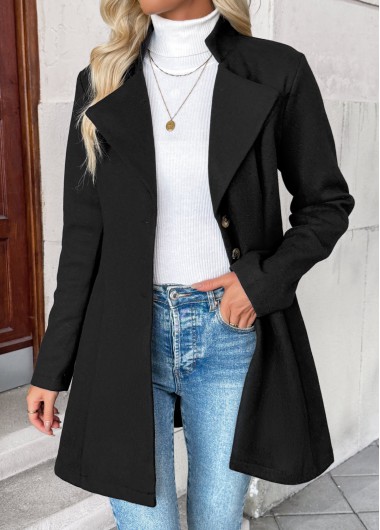
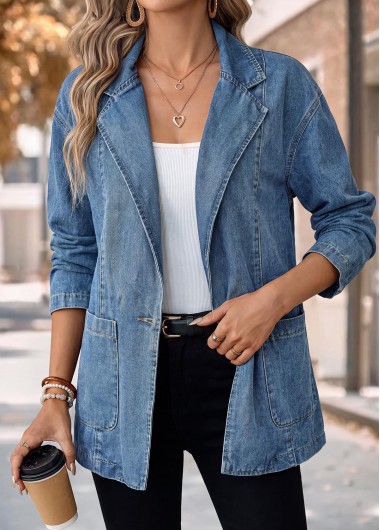
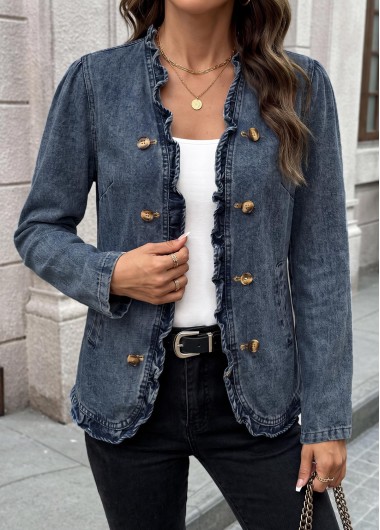
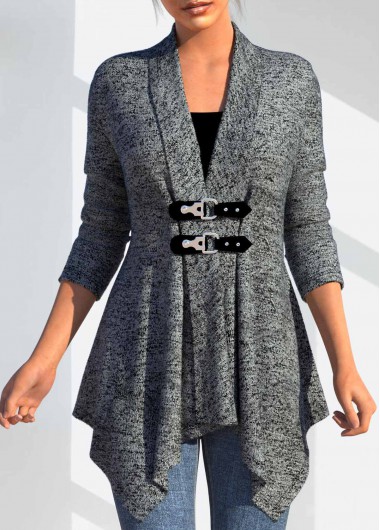
Dressy winter coats do not need complicated decoration. A defined lapel, a draped neckline, evenly spaced buttons, or a cleaner hem can make the layer feel more polished. Pair it with straight trousers, a simple knit, and boots for appointments or dinners. The same shape can return to everyday use with denim and flat shoes, which gives it more value in a working wardrobe.
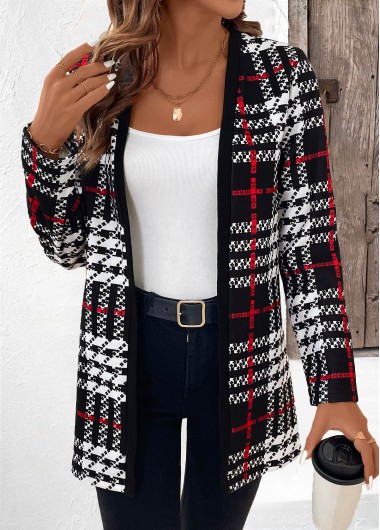
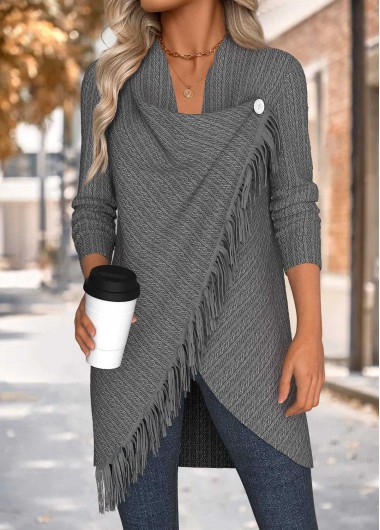
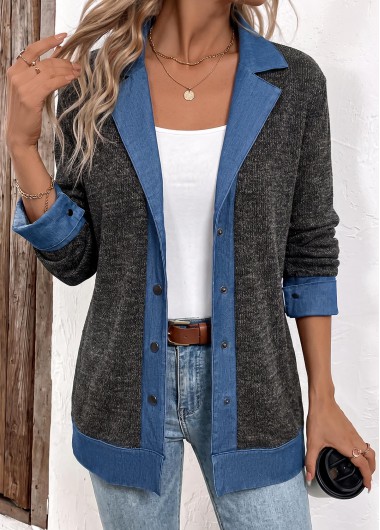
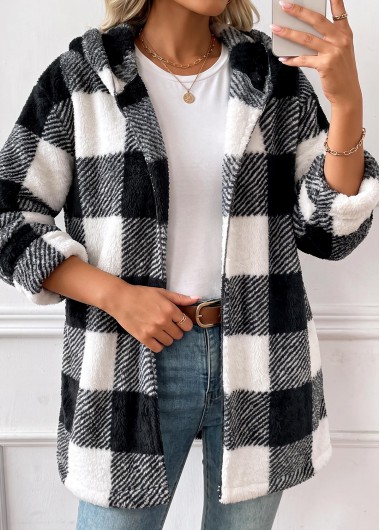
Good coats for the winter should also allow the outfit underneath to make sense once the outer layer comes off. A lapel can frame a crew neck or soft V neckline. A draped front works best when the inner layer stays simple. Plaid already supplies visual interest, so solid knitwear keeps the look calm. These combinations give fashionable winter coats a place in your everyday wardrobe, with comfortable proportions and colors that work together across several outfits.
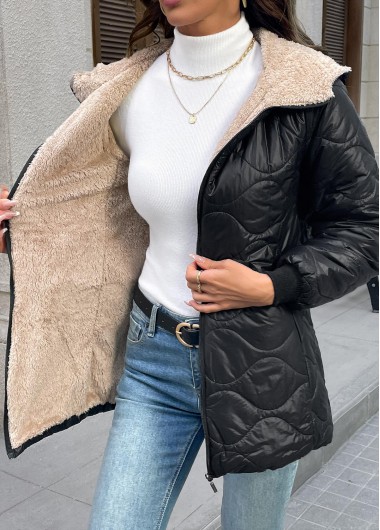
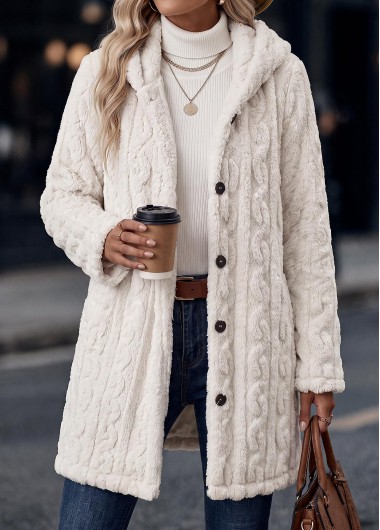
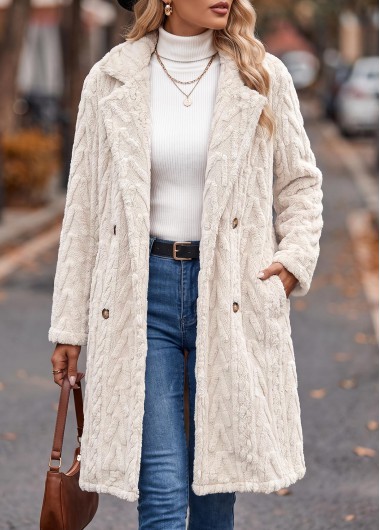
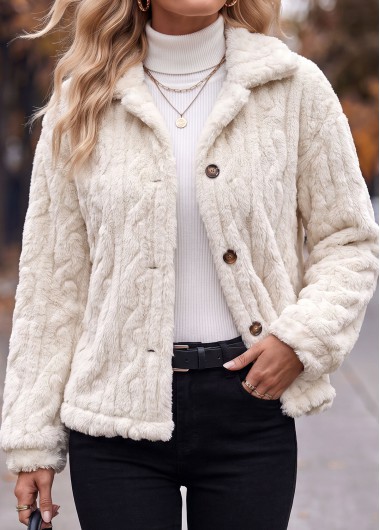
For a dark neutral that works with pale scarves, black winter coats pair easily with pale scarves, dark pants, and everyday winter boots. A lighter alternative appears among white winter coats. Black creates a strong outline around pale knitwear, while white and soft beige brighten dark pants and boots. Choose the contrast you enjoy wearing.
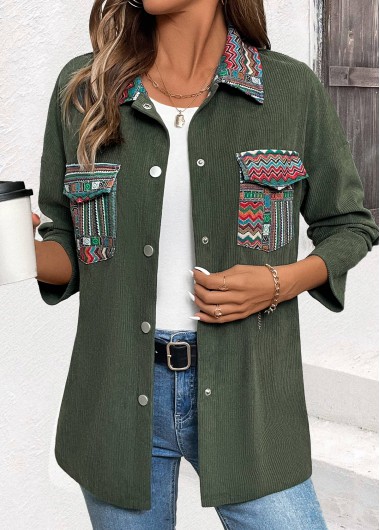
Black is easy, but winter does not require a dark uniform. White and beige brighten navy, gray, and denim. Coffee and camel shades soften black trousers and work naturally with cream. Wine red adds depth beside charcoal or navy. Green looks grounded with brown, black, and denim blue. A color earns its place when it works with several pieces you already own.
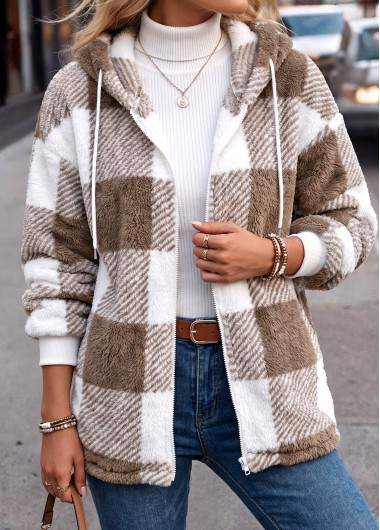
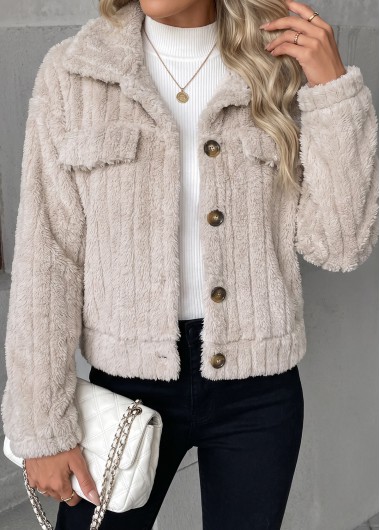
Patterns can solve coordination rather than complicate it. Plaid winter coats contain several ready-made color cues; repeat one shade in the scarf, knitwear, or trousers and leave the other pieces quiet. Ombre and patchwork have more movement, so use fewer competing accessories. This lets the outer layer carry personality without asking every item to compete.
Stylish winter coats ultimately combine three decisions: adequate room for real layers, a length that fits daily movement, and a color or pattern that coordinates easily. For cute winter coats with a playful finish, try soft color or a patterned scarf. Useful pockets and a neckline you enjoy wearing keep adorable winter coats part of everyday outfits. Build from those practical choices, then let color provide the final expression.

Create Account
Create password to get more coupons!
$100 OFF
New Members only!
Create Account
Create password to get more coupons!
$100 OFF
New Members only!
$20 OFF
for text subscribe

*It includes 4 coupons
Expired:
CODE:
Expired:
Fast Self-Service for Facebook Users.
24/7 online service available to all customers.
To avoid waiting time online, you could submit a ticket to us, our agent will respond within 1 business day.