



Fast Self-Service for Facebook Users.
24/7 online service available to all customers.
To avoid waiting time online, you could submit a ticket to us, our agent will respond within 1 business day.


Fast Self-Service for Facebook Users.
24/7 online service available to all customers.
To avoid waiting time online, you could submit a ticket to us, our agent will respond within 1 business day.
Sign In / Register
My Balance
Modlily Club
Sign in for the best experience
Processing
Please enter a valid number
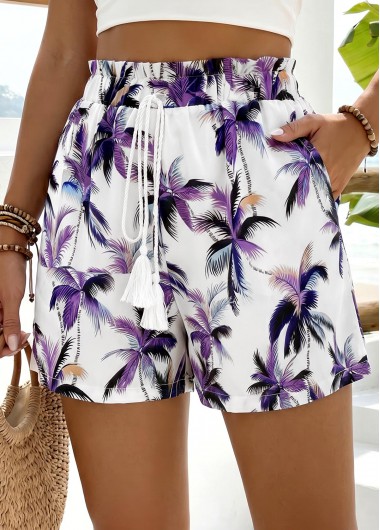

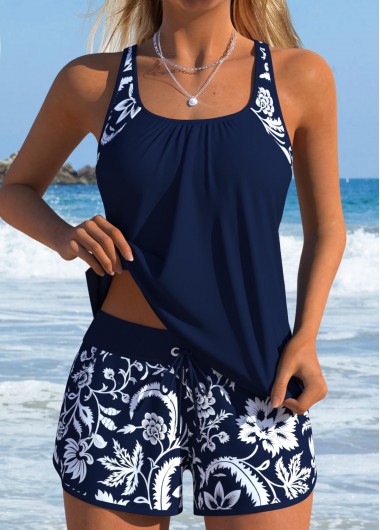
I just received these shorts and have not had the opportunity to wear them yet. I did try them on and the fit was good.
 MODLILY CLUB
% Off
 MODLILY CLUB
% Off

Love these! I wish they came in more colors!
MODLILY CLUB
% Off
 MODLILY CLUB
% Off

Super cute the fit is awesome and the material was lots better than I expected
MODLILY CLUB
% Off
 MODLILY CLUB
% Off
 MODLILY CLUB
% Off
 MODLILY CLUB
% Off
 MODLILY CLUB
% Off
 MODLILY CLUB
% Off
 MODLILY CLUB
% Off
 MODLILY CLUB
% Off
 MODLILY CLUB
% Off
 MODLILY CLUB
% Off
 MODLILY CLUB
% Off
 MODLILY CLUB
% Off
 MODLILY CLUB
% Off
 MODLILY CLUB
% Off
 MODLILY CLUB
% Off
 MODLILY CLUB
% Off
 MODLILY CLUB
% Off
 MODLILY CLUB
% Off
 MODLILY CLUB
% Off
 MODLILY CLUB
% Off
 MODLILY CLUB
% Off
 MODLILY CLUB
% Off
 MODLILY CLUB
% Off

Mid thigh shorts are named for a location on the leg with the selected inseam showing the exact length. A measurement that lands near the middle of one person's thigh may sit higher or lower on someone else. That makes your own proportions the useful reference. Begin with a pair you already know, then compare the stated inseam and the product's rise to understand where a new hem is likely to fall.
The middle of the thigh is a visual reference between the hip area and the knee, and the selected measurement makes it more precise. Garment rise and the way the waistband sits can affect the final position of the hem. A product label using mid-thigh therefore needs to be read alongside the measurements to picture its landing point on your leg.
Lay a familiar pair flat and compare its stated or measured inseam with the new listing. Notice where that pair falls on you when worn as intended. This gives a personal point of reference based on your own proportions. The model's height and proportions may differ from yours even when the garment size is familiar.
Long Shorts cover the wider question of longer hems. Mid-thigh is a more specific visual preference within a range of possible lengths. You might choose it because you like the amount of leg showing with your regular tops, with the amount of leg coverage you enjoy.
Movement also changes what you see. A hem can shift while sitting or stepping, so a standing view is only one part of the decision. Consider the ordinary positions involved in your day. The aim is to choose coverage you enjoy in those situations, while you move through the day.
Denim and cotton describe different kinds of information: denim is a fabric category, while cotton identifies a fiber that may be part of a fabric. They can overlap within the same product. A mid-thigh pair should be assessed by its actual composition and construction to see how those details work together.
Jean Shorts explore the denim direction, where wash, seams, and pockets may provide visible structure. At a mid-thigh length, those details can occupy a substantial part of the visible garment. Think about whether you want that texture to be part of the outfit's interest or prefer a quieter-looking lower half.
Cotton Shorts discuss material content more broadly. A cotton-containing short can have a different feel and outline depending on how the fabric is made. The selected composition and construction clarify those qualities. Check the material information separately from the length description.
A softer-looking blouse above a defined mid-thigh short creates one relationship, while two relaxed surfaces create another. You can use texture to vary a familiar length without changing the amount of leg showing. This makes the material choice useful as a styling decision alongside the garment's hem position.
Bermuda is another style and length reference within the longer-shorts family. It commonly leads toward more coverage closer to the knee, but individual products still vary. Bermuda Shorts provide a separate place to examine that direction without treating the label as an exact measurement for everyone.
Compare what each hem does beneath a top you already wear. A mid-thigh length leaves more lower leg visible; a knee-nearer shape creates a longer block of fabric. Neither is required by age or occasion alone. Your own setting, preference, and outfit proportions are more useful starting points.
The width of the leg can also change the impression of the same length. A broad opening may make a mid-thigh short feel more visible, while a straighter line can read differently. Keep that cut separate from the hem position when comparing products. Otherwise, a difference in shape can be mistaken for a difference in length.
Choose the amount of coverage first, then connect it to the fabric and tops you enjoy. The phrase mid thigh can help describe that preference, but your own comparison garment makes it practical. A clear reference for the hem, an understood material, and an intentional silhouette will tell you more about the outfit than expecting a length label to answer every question on its own.

Create Account
Create password to get more coupons!
$100 OFF
New Members only!
Create Account
Create password to get more coupons!
$100 OFF
New Members only!
$20 OFF
for text subscribe

*It includes 4 coupons
Expired:
CODE:
Expired:
Fast Self-Service for Facebook Users.
24/7 online service available to all customers.
To avoid waiting time online, you could submit a ticket to us, our agent will respond within 1 business day.