



Fast Self-Service for Facebook Users.
24/7 online service available to all customers.
To avoid waiting time online, you could submit a ticket to us, our agent will respond within 1 business day.


Fast Self-Service for Facebook Users.
24/7 online service available to all customers.
To avoid waiting time online, you could submit a ticket to us, our agent will respond within 1 business day.
Sign In / Register
My Balance
Modlily Club
Sign in for the best experience
Processing
 Multi Color
Green
Blue
Black
Beige
White
Navy Blue
Brown
Camel
Purple
Red
Wine Red
Cyan
Yellow
Orange
Please enter a valid number


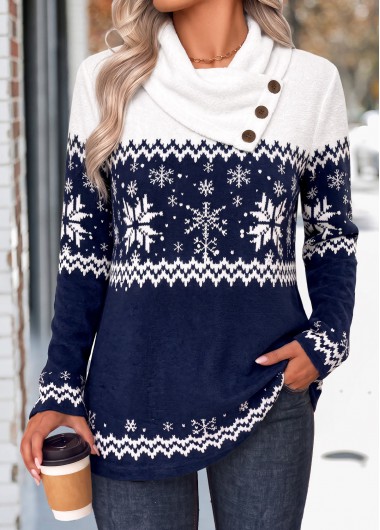
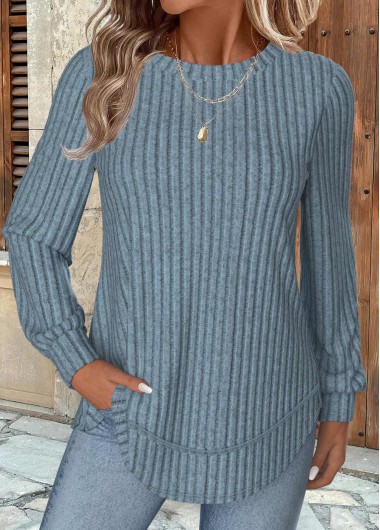
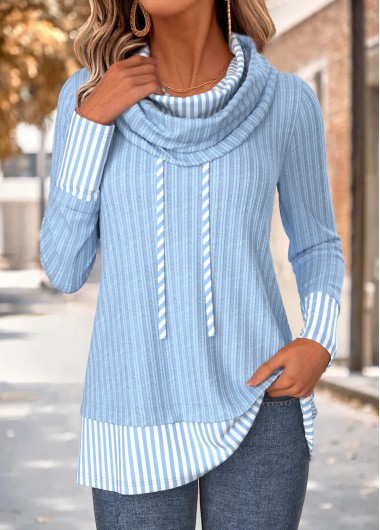
I love the softness and feel of this sweatshirt. It doesn't even look like a sweatshirt, nor is it a sweatshirt. It's a sweater, very light. Color is heather blue. Very comfortable and chic.
 MODLILY CLUB
% Off

Very soft and comfortable.
MODLILY CLUB
% Off

Such a flattering top, material is good quality,it fits true to size. Very nice top, happy with my purchase.
MODLILY CLUB
% Off

Beautiful x
MODLILY CLUB
% Off

Comfy fit, soft material washes well
MODLILY CLUB
% Off
 MODLILY CLUB
% Off
 MODLILY CLUB
% Off
 MODLILY CLUB
% Off
 MODLILY CLUB
% Off
 MODLILY CLUB
% Off
 MODLILY CLUB
% Off
 MODLILY CLUB
% Off
 MODLILY CLUB
% Off
 MODLILY CLUB
% Off
 MODLILY CLUB
% Off
 MODLILY CLUB
% Off
 MODLILY CLUB
% Off
 MODLILY CLUB
% Off
 MODLILY CLUB
% Off
 MODLILY CLUB
% Off
 MODLILY CLUB
% Off
 MODLILY CLUB
% Off
 MODLILY CLUB
% Off
 MODLILY CLUB
% Off
 MODLILY CLUB
% Off
 MODLILY CLUB
% Off
 MODLILY CLUB
% Off
 MODLILY CLUB
% Off
 MODLILY CLUB
% Off
 MODLILY CLUB
% Off
 MODLILY CLUB
% Off
 MODLILY CLUB
% Off
 MODLILY CLUB
% Off
 MODLILY CLUB
% Off
 MODLILY CLUB
% Off
 MODLILY CLUB
% Off
 MODLILY CLUB
% Off
 MODLILY CLUB
% Off
 MODLILY CLUB
% Off
 MODLILY CLUB
% Off
 MODLILY CLUB
% Off
 MODLILY CLUB
% Off
 MODLILY CLUB
% Off
 MODLILY CLUB
% Off
 MODLILY CLUB
% Off
 MODLILY CLUB
% Off
 MODLILY CLUB
% Off
 MODLILY CLUB
% Off
 MODLILY CLUB
% Off
 MODLILY CLUB
% Off
 MODLILY CLUB
% Off
 MODLILY CLUB
% Off
 MODLILY CLUB
% Off
 MODLILY CLUB
% Off
 MODLILY CLUB
% Off
 MODLILY CLUB
% Off
 MODLILY CLUB
% Off
 MODLILY CLUB
% Off
 MODLILY CLUB
% Off
 MODLILY CLUB
% Off
 MODLILY CLUB
% Off
 MODLILY CLUB
% Off
 MODLILY CLUB
% Off
 MODLILY CLUB
% Off
 MODLILY CLUB
% Off
 MODLILY CLUB
% Off
 MODLILY CLUB
% Off
 MODLILY CLUB
% Off
 MODLILY CLUB
% Off
 MODLILY CLUB
% Off
 MODLILY CLUB
% Off
 MODLILY CLUB
% Off
 MODLILY CLUB
% Off
 MODLILY CLUB
% Off
 MODLILY CLUB
% Off
 MODLILY CLUB
% Off
 MODLILY CLUB
% Off
 MODLILY CLUB
% Off
 MODLILY CLUB
% Off
 MODLILY CLUB
% Off
 MODLILY CLUB
% Off
 MODLILY CLUB
% Off
 MODLILY CLUB
% Off
 MODLILY CLUB
% Off
 MODLILY CLUB
% Off
 MODLILY CLUB
% Off
 MODLILY CLUB
% Off
 MODLILY CLUB
% Off
 MODLILY CLUB
% Off
 MODLILY CLUB
% Off
 MODLILY CLUB
% Off
 MODLILY CLUB
% Off
 MODLILY CLUB
% Off
 MODLILY CLUB
% Off
 MODLILY CLUB
% Off
 MODLILY CLUB
% Off
 MODLILY CLUB
% Off
 MODLILY CLUB
% Off
 MODLILY CLUB
% Off
 MODLILY CLUB
% Off
 MODLILY CLUB
% Off
 MODLILY CLUB
% Off
 MODLILY CLUB
% Off
 MODLILY CLUB
% Off
 MODLILY CLUB
% Off
 MODLILY CLUB
% Off
 MODLILY CLUB
% Off
 MODLILY CLUB
% Off
 MODLILY CLUB
% Off
 MODLILY CLUB
% Off
 MODLILY CLUB
% Off
 MODLILY CLUB
% Off
 MODLILY CLUB
% Off
 MODLILY CLUB
% Off
 MODLILY CLUB
% Off
 MODLILY CLUB
% Off
 MODLILY CLUB
% Off
 MODLILY CLUB
% Off
 MODLILY CLUB
% Off
 MODLILY CLUB
% Off
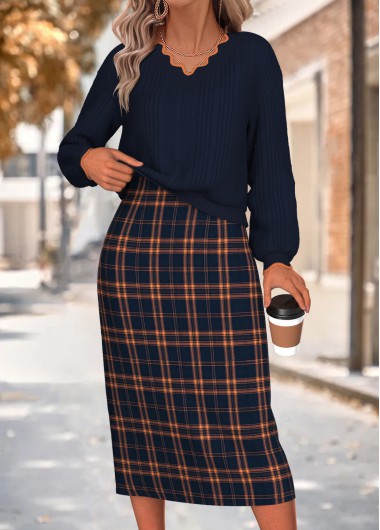
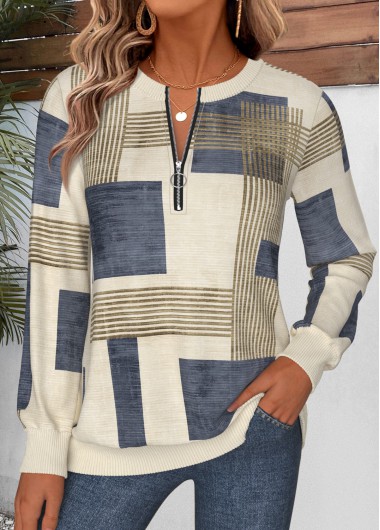
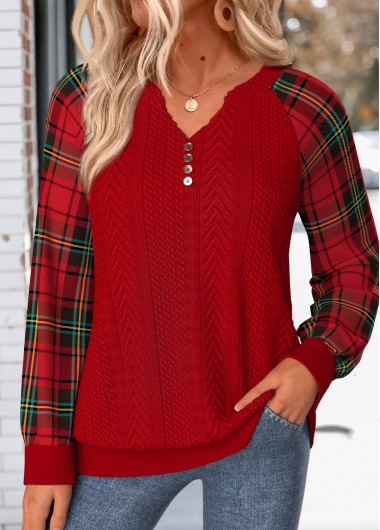
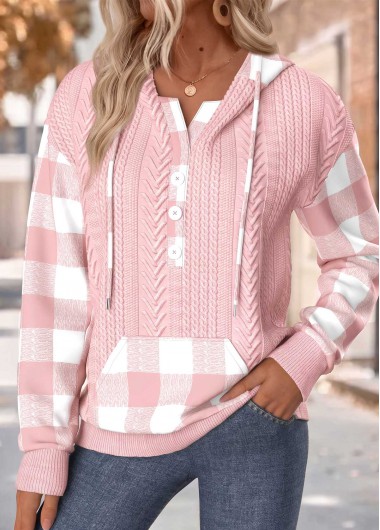
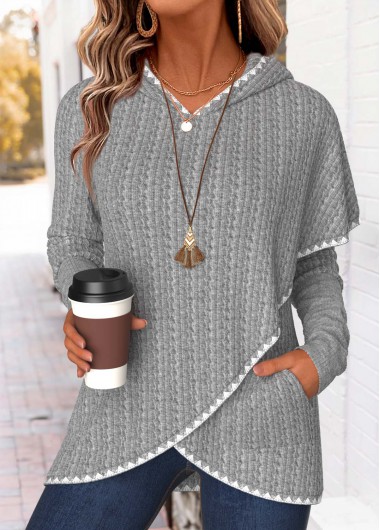
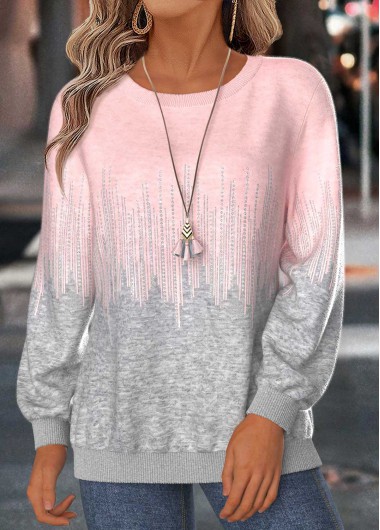
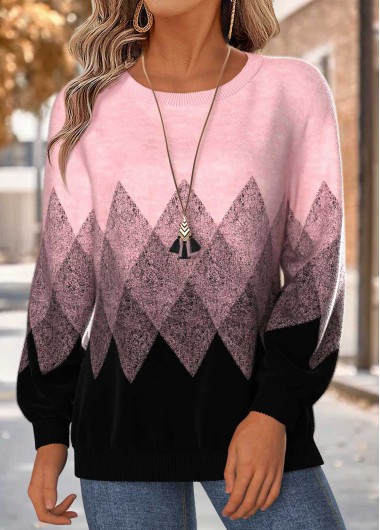
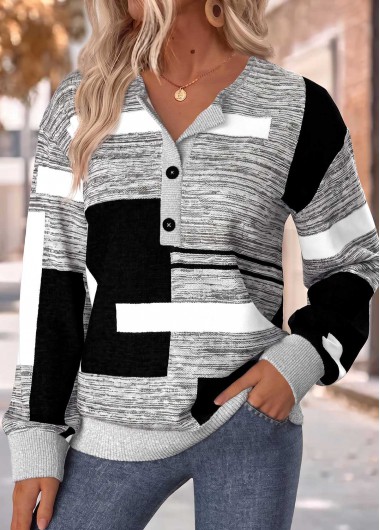
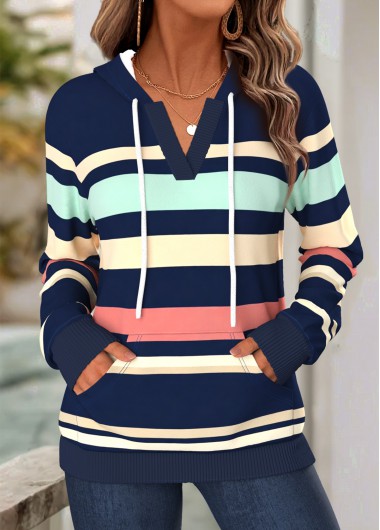
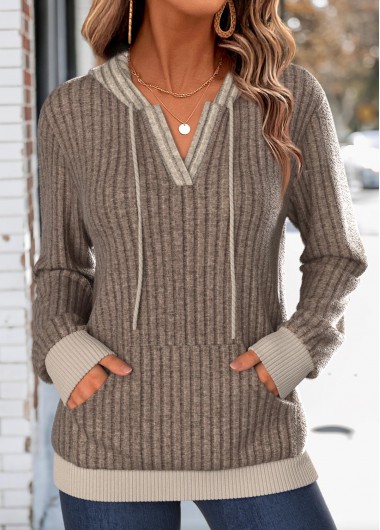
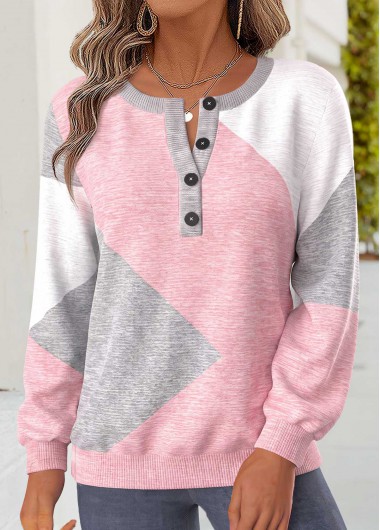
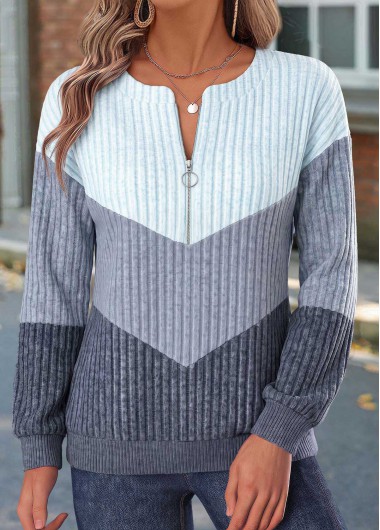
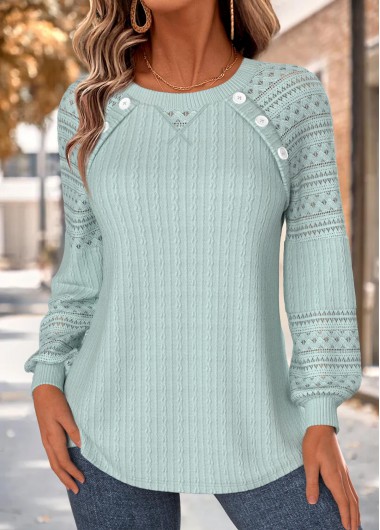
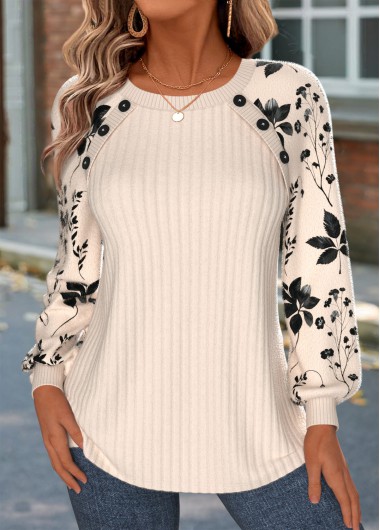
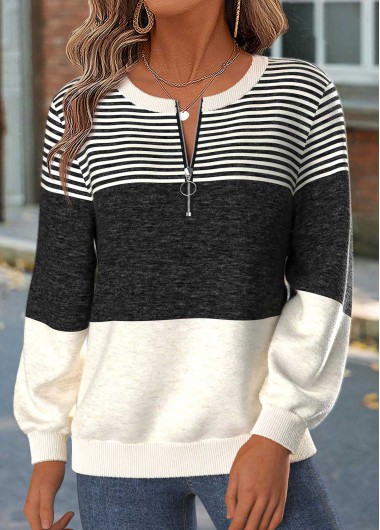
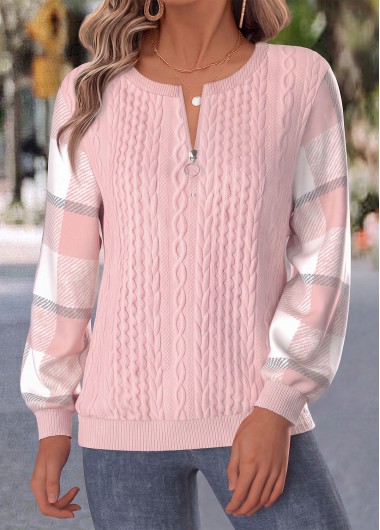
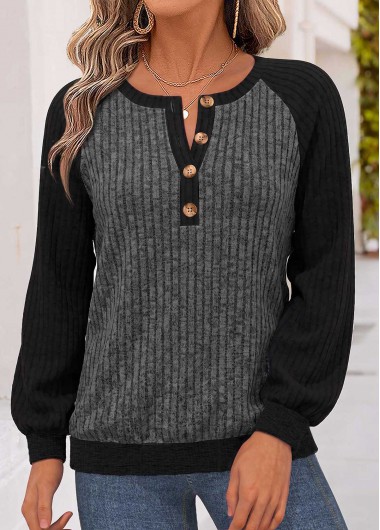
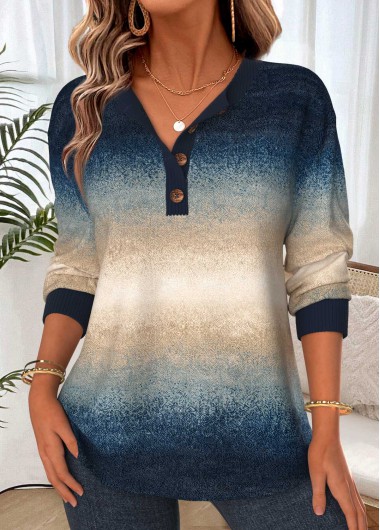
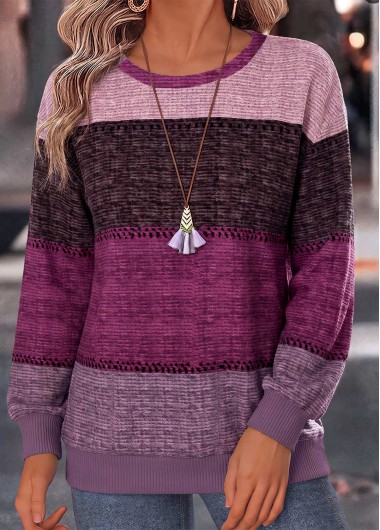
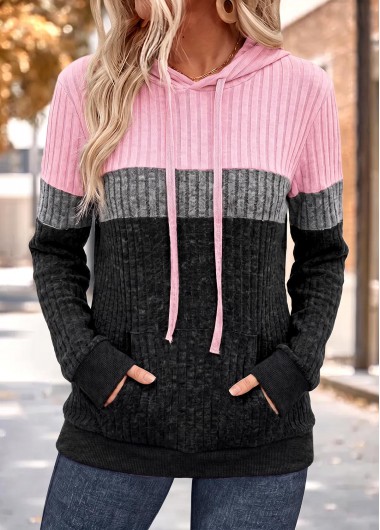
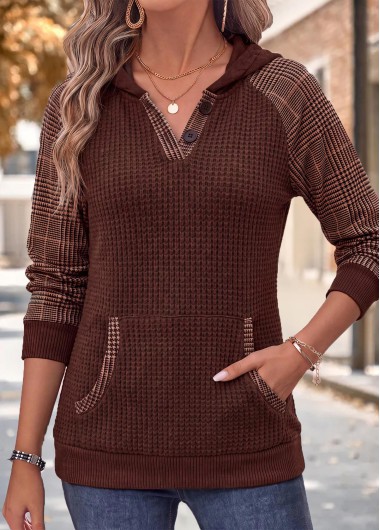
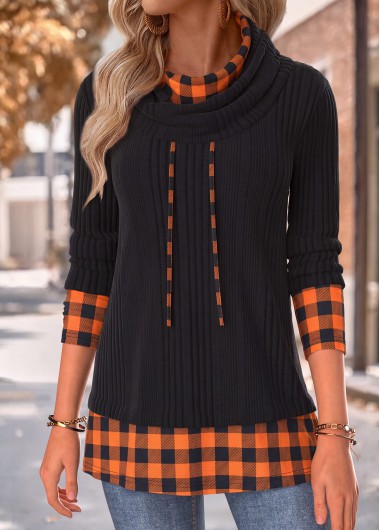
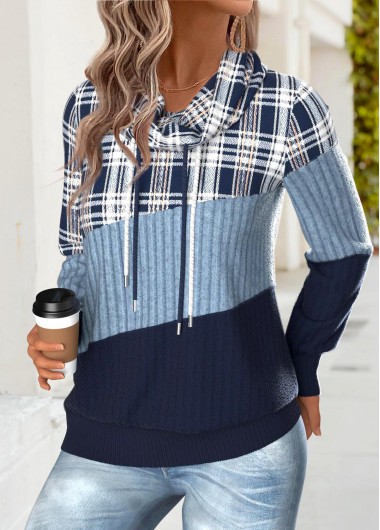
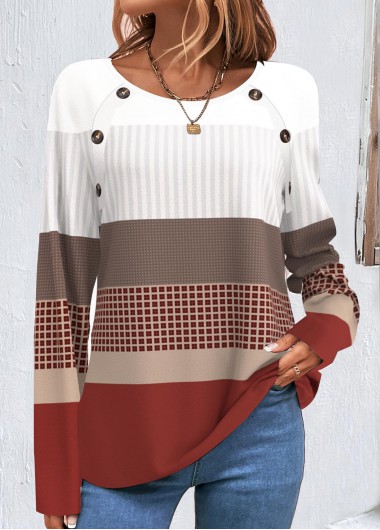
Knitted sweatshirts bring visible texture to an easy everyday layer. Ribbing, raised patterns, and stitch-like surfaces can give a plain color depth without relying on a large graphic. Choose the texture you enjoy seeing, then consider how the neckline and silhouette work with the clothes you already own.
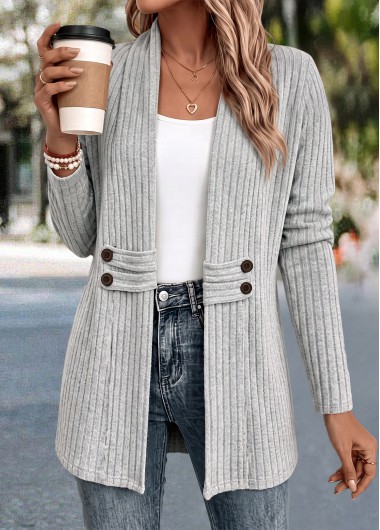
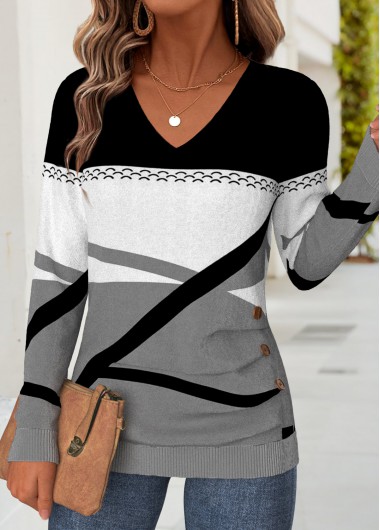
A textured top can be the focal point above smooth denim or simple pants. Under an open jacket, its surface remains visible at the front and cuffs. For knitted sweatshirts, a round neck leaves room for a scarf; a different opening can make the upper body feel more relaxed or more defined.
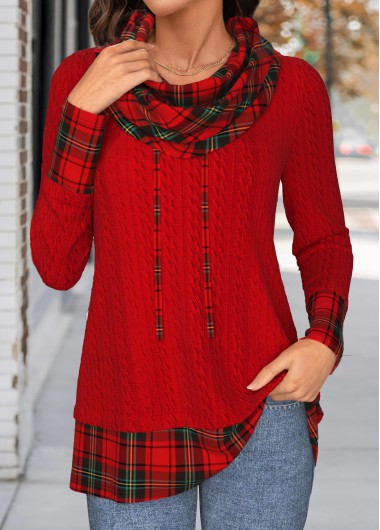
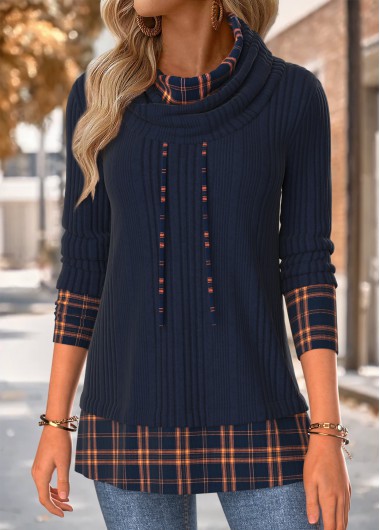
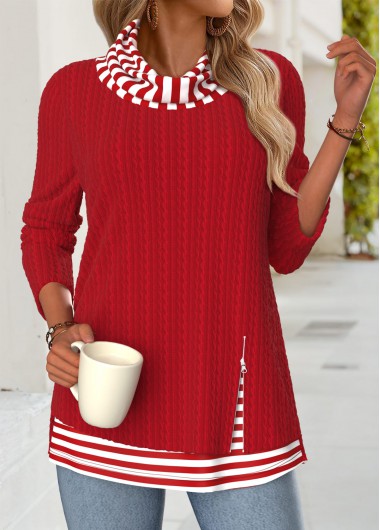
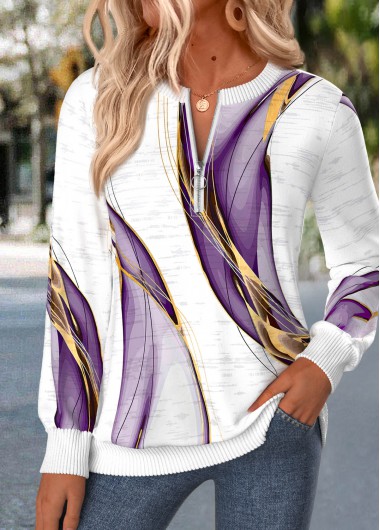
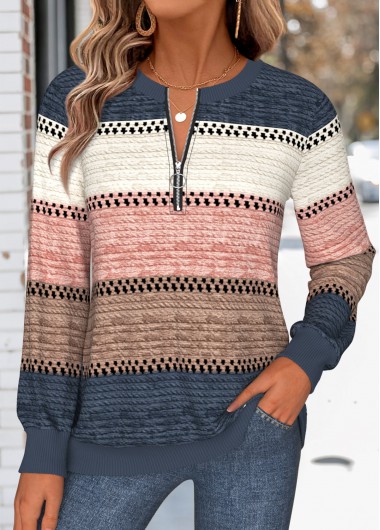
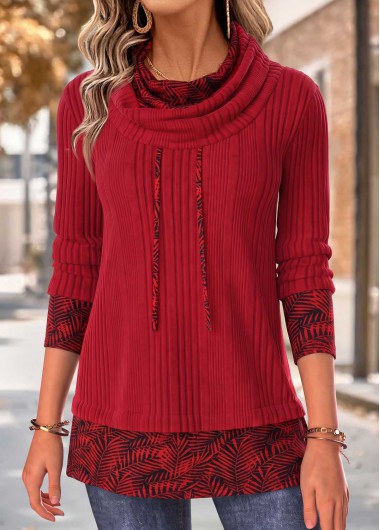
A subtle rib adds quiet movement to a solid shade, while a larger cable-like pattern asks for simpler pieces around it. Look at how far the texture travels: across the whole front, through the sleeves, or only in a panel. That placement changes what shows when you add a coat or vest. If artwork matters more than surface depth, printed sweatshirts offer another way to bring character to a casual layer.
Knitted texture can change how a color reads. A cable-like surface catches light and shadow across the front; a fine rib keeps the effect subtler. Pair a prominent texture with smooth pants so the sweatshirt remains the visual focus. If you wear a coat, an open front lets the texture show without adding another strong pattern. The shoulder and sleeve shape matter too, because a textured fabric can look different when it falls close to the body or more loosely.
Texture can also change the apparent shape of a sweatshirt. A pronounced surface may look more structured, while a finer one can feel visually lighter. Pair a more detailed front with plain pants and let the surface carry the outfit. With a quieter texture, a patterned scarf or brighter jacket can share the attention.
The edges matter as much as the center. A ribbed cuff may echo the neckline, and a defined hem can create a neat lower line over denim. Consider how those details will look when the sweatshirt is partly covered by outerwear. A little texture at the visible edges can still make the outfit feel considered.
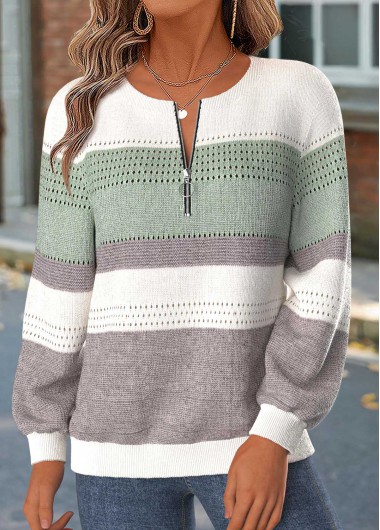
A crewneck sweatshirt gives texture a simple frame. A hood adds casual volume near the face, while a zip-up divides the front surface. Choose the shape according to how much of the knit you want to see. If you usually wear an open coat, a textured front can remain the main visual detail without competing with the outer layer.
Texture is especially noticeable on a neutral sweatshirt because it becomes the main visual detail. A narrow rib can keep the look quiet, while a larger knit pattern asks for simpler pants and accessories. If you plan to wear the layer beneath a coat, consider the combined bulk at the arms and collar. With a plain jacket, the knit surface can show at the front and cuffs, giving an everyday outfit a little more depth. Texture also works well at the edge of an outfit. Ribbed cuffs appearing beneath a coat sleeve can echo the neckline, and a patterned knit can add interest even when a scarf covers part of the front. Try the piece with the jacket you wear most often. That pairing shows whether the surface detail is visible in your real routine.
Think about shoulder and sleeve proportion. A roomier sleeve can give a textured body a relaxed outline, while a closer sleeve may sit more easily beneath a jacket. Hem length changes the balance with your pants. A shorter line can work with wide-leg denim; a longer one may feel natural over narrower bottoms.
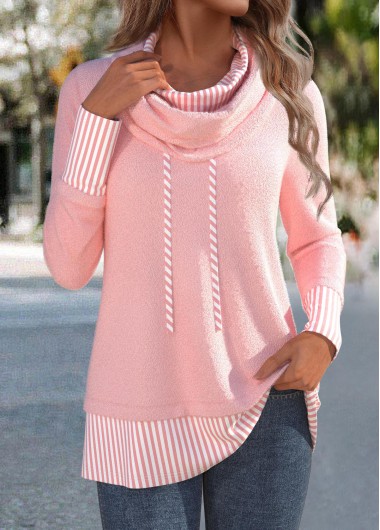
For a softer-feeling direction, soft sweatshirts put touch at the center of the choice. Knit appearance and handfeel are different qualities, so use the garment description when either matters to you. Choose a texture that looks inviting and a shape that suits the way you wear layers.
Neutrals can show knit texture especially well. A pale shade catches light across raised areas; a darker shade can make the pattern more subtle. With denim and plain shoes, the sweatshirt can carry the interest of the outfit. A simple jacket frames the front without adding another busy surface.
If fiber content is part of your decision, cotton sweatshirts and polyester hooded sweatshirts offer fiber-led routes. Read the composition and care notes for the particular textured piece you choose, since a visible knit look can be made in different ways.
Imagine the layer through an ordinary day: worn on its own indoors, visible beneath a coat outside, and paired with the pants you reach for often. When texture, fit, and color work together, a knitted sweatshirt can become an easy piece with enough detail to feel distinctive.
Create Account
Create password to get more coupons!
$100 OFF
New Members only!
Create Account
Create password to get more coupons!
$100 OFF
New Members only!
$20 OFF
for text subscribe

*It includes 4 coupons
Expired:
CODE:
Expired:
Fast Self-Service for Facebook Users.
24/7 online service available to all customers.
To avoid waiting time online, you could submit a ticket to us, our agent will respond within 1 business day.