



Fast Self-Service for Facebook Users.
24/7 online service available to all customers.
To avoid waiting time online, you could submit a ticket to us, our agent will respond within 1 business day.


Fast Self-Service for Facebook Users.
24/7 online service available to all customers.
To avoid waiting time online, you could submit a ticket to us, our agent will respond within 1 business day.
Sign In / Register
My Balance
Modlily Club
Sign in for the best experience
Processing
 Multi Color
Cyan
Black
Pink
Wine Red
White
Beige
Multi Color
Cyan
Black
Pink
Wine Red
White
Beige Please enter a valid number
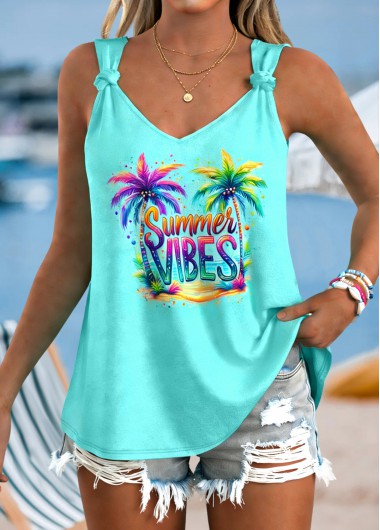

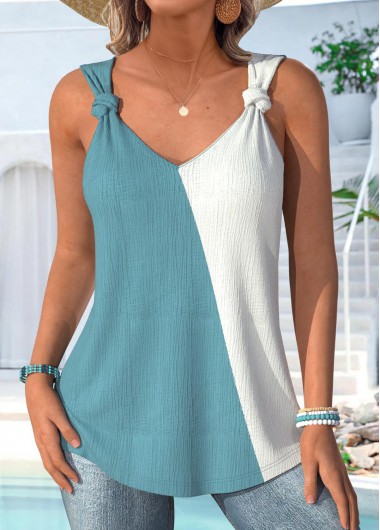
The cutest top! Fits great!
 MODLILY CLUB
% Off
MODLILY CLUB
% Off
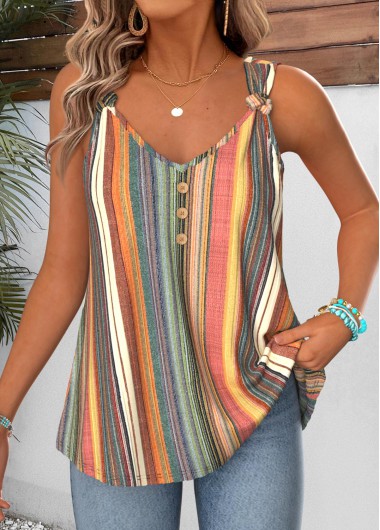
Love this shirts ❤️
MODLILY CLUB
% Off
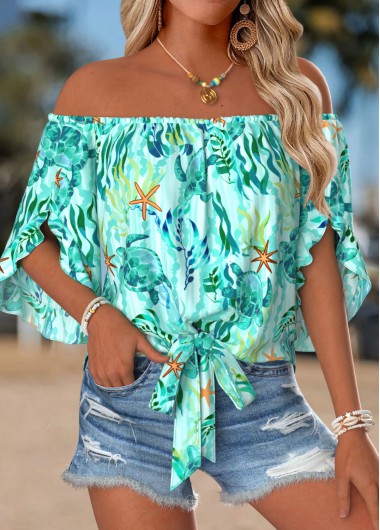
Love it!
MODLILY CLUB
% Off
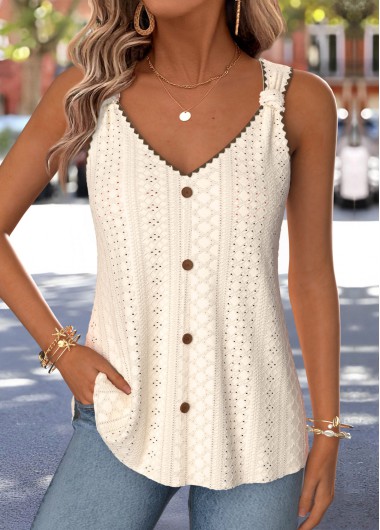
Good quality
MODLILY CLUB
% Off
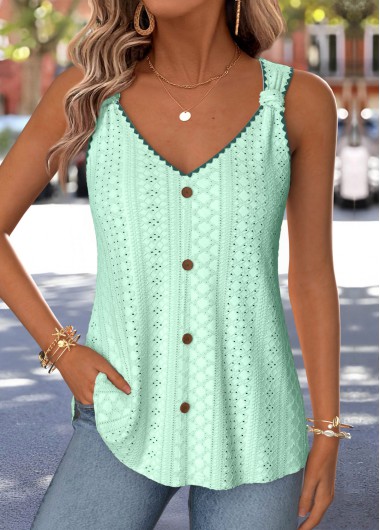
This top is so comfortable and great quality! This is one of my favorite colors and looked amazing on my beach vacation! I received it before vacation and wore it several times because I love it so much!
MODLILY CLUB
% Off
 MODLILY CLUB
% Off
MODLILY CLUB
% Off
 MODLILY CLUB
% Off
MODLILY CLUB
% Off
 MODLILY CLUB
% Off
MODLILY CLUB
% Off
 MODLILY CLUB
% Off
MODLILY CLUB
% Off
 MODLILY CLUB
% Off
MODLILY CLUB
% Off
 MODLILY CLUB
% Off
MODLILY CLUB
% Off
 MODLILY CLUB
% Off
MODLILY CLUB
% Off
 MODLILY CLUB
% Off
MODLILY CLUB
% Off
 MODLILY CLUB
% Off
MODLILY CLUB
% Off
 MODLILY CLUB
% Off
MODLILY CLUB
% Off
 MODLILY CLUB
% Off
MODLILY CLUB
% Off

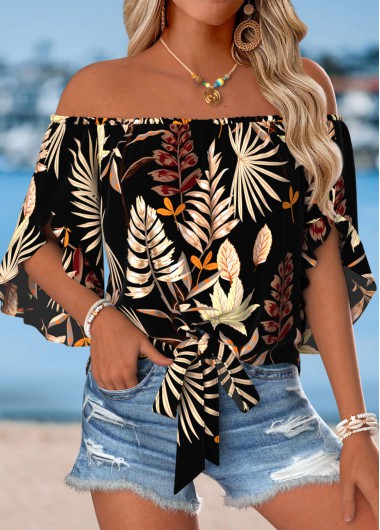
Tie details can appear near the neckline, along the front, at the back or to one side. Begin by locating the detail in the product images. Its position affects what remains visible under an outer layer and how it relates to a waistband. A small neckline bow and a tie near the hem serve different visual purposes, even within the same broad search.
The word tie also needs a construction check. Some details may be decorative or sewn in place; others may use separate ends that can be tied. Read the selected item's description before expecting adjustment. A photograph of a finished bow does not demonstrate that you can loosen it, change its position or alter the garment's body room.
Position-specific collections help narrow the comparison. Tie front tops focuses on details visible from the front, while tie back tops offers a separate rear-detail route. Use side tie tops when the side placement is the feature you want. Check the individual garment after following any route, because a shared position does not mean identical construction.
For tops with ties, consider the opening and surrounding fabric as well as the knot. A neckline tie may sit close to jewelry; a lower tie can meet the skirt or trouser waist. If written instructions are supplied for the selected item, follow those rather than assuming one tying method works across every design. The goal is to understand that particular detail before styling around it.
Sleeves introduce another choice alongside the tie position. A sleeveless body leaves the detail within a different outline from a short- or long-sleeved blouse. Look at the shoulder and armhole when assessing a tank, then compare the tie's position with those edges. The visible proportions of the garment should guide the decision rather than the broad label alone.
On a sleeved top, consider whether the cuff adds another fastening or decorative element. Several details can sit within one design, and each may need its own check. A tie at the neckline does not establish how the cuffs close. Examine the separate images and read the description for the parts you expect to adjust or open while wearing the item.
Layering can hide a back or side feature more readily than a front detail, depending on the outer garment. Compare the length of a cardigan or jacket with the tie placement. Sleeve volume matters too: a fuller blouse sleeve may need more room under the layer. Make those comparisons from the actual shapes rather than assuming a tie changes the fit.
If another upper shape better suits your layering plan, the broader tops selection gives you a way to compare it. Keep the tie as a preference within that search instead of treating it as proof of support, adjustability or a particular fabric. Sleeve coverage, material and fastening details remain individual garment decisions that the tie label cannot answer for you.
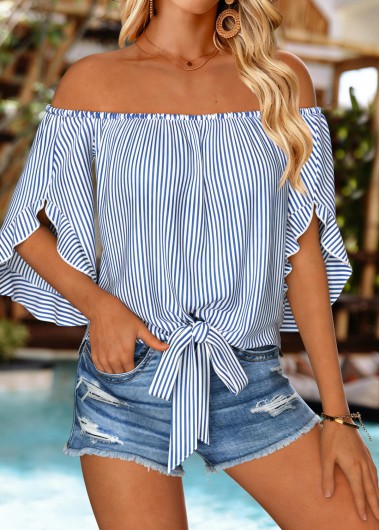
A front tie can become the center of an outfit because it sits where the upper and lower garments meet. First identify whether it is near the neckline, waist or hem. Those locations change how much of the detail remains visible beside trousers or a skirt. A cropped front-tie shape and a longer blouse should be considered separately.
Set the lower garment's waistband beside that position before deciding on a tuck or an untucked arrangement. If the tie lies near the hem, covering it may hide the very detail you want to show. Where the tie is higher, the lower edge may offer more styling options. Assess the garment length and opening without assuming that the knot can be moved.
For tops that tie, the intended knot should follow the item's actual construction. Avoid relying on a decorative bow to hold fabric closed or create an adjustable waist unless the description confirms that function. If the piece has separate fastening instructions, use those to understand it. Outfit planning is easier when you distinguish the visual accent from any verified fastening role.
A shaped lower silhouette can be explored through peplum tops if that is another feature you want to compare. Cute tops offers a separate style direction when a playful detail interests you. Bring those ideas back to the chosen tie position, then keep the surrounding belt, necklace or jacket from crowding the feature that gives your outfit its focus.
Create Account
Create password to get more coupons!
$100 OFF
New Members only!
Create Account
Create password to get more coupons!
$100 OFF
New Members only!
$20 OFF
for text subscribe

*It includes 4 coupons
Expired:
CODE:
Expired:
Fast Self-Service for Facebook Users.
24/7 online service available to all customers.
To avoid waiting time online, you could submit a ticket to us, our agent will respond within 1 business day.