



Fast Self-Service for Facebook Users.
24/7 online service available to all customers.
To avoid waiting time online, you could submit a ticket to us, our agent will respond within 1 business day.


Fast Self-Service for Facebook Users.
24/7 online service available to all customers.
To avoid waiting time online, you could submit a ticket to us, our agent will respond within 1 business day.
Sign In / Register
My Balance
Modlily Club
Sign in for the best experience
Processing
 Multi Color
Navy Blue
Green
White
Beige
Grey
Wine Red
Pink
Red
Brown
Yellow
Camel
Purple
Cyan
Orange
Coral
Gold
Royal Blue
Please enter a valid number

 MODLILY CLUB
% Off

Beautiful dress
MODLILY CLUB
% Off
Precioso!
MODLILY CLUB
% Off

Love this dress. Got a lot of compliments.
MODLILY CLUB
% Off

Love the fit and look
MODLILY CLUB
% Off
 MODLILY CLUB
% Off
 MODLILY CLUB
% Off
 MODLILY CLUB
% Off
 MODLILY CLUB
% Off
 MODLILY CLUB
% Off
 MODLILY CLUB
% Off
 MODLILY CLUB
% Off
 MODLILY CLUB
% Off
 MODLILY CLUB
% Off
 MODLILY CLUB
% Off
 MODLILY CLUB
% Off
 MODLILY CLUB
% Off
 MODLILY CLUB
% Off
 MODLILY CLUB
% Off
 MODLILY CLUB
% Off
 MODLILY CLUB
% Off
 MODLILY CLUB
% Off
 MODLILY CLUB
% Off
 MODLILY CLUB
% Off
 MODLILY CLUB
% Off
 MODLILY CLUB
% Off
 MODLILY CLUB
% Off
 MODLILY CLUB
% Off
 MODLILY CLUB
% Off
 MODLILY CLUB
% Off
 MODLILY CLUB
% Off
 MODLILY CLUB
% Off
 MODLILY CLUB
% Off
 MODLILY CLUB
% Off
 MODLILY CLUB
% Off
 MODLILY CLUB
% Off
 MODLILY CLUB
% Off
 MODLILY CLUB
% Off
 MODLILY CLUB
% Off
 MODLILY CLUB
% Off
 MODLILY CLUB
% Off
 MODLILY CLUB
% Off
 MODLILY CLUB
% Off
 MODLILY CLUB
% Off
 MODLILY CLUB
% Off
 MODLILY CLUB
% Off
 MODLILY CLUB
% Off
 MODLILY CLUB
% Off
 MODLILY CLUB
% Off
 MODLILY CLUB
% Off
 MODLILY CLUB
% Off
 MODLILY CLUB
% Off
 MODLILY CLUB
% Off
 MODLILY CLUB
% Off
 MODLILY CLUB
% Off
 MODLILY CLUB
% Off
 MODLILY CLUB
% Off
 MODLILY CLUB
% Off
 MODLILY CLUB
% Off
 MODLILY CLUB
% Off
 MODLILY CLUB
% Off
 MODLILY CLUB
% Off
 MODLILY CLUB
% Off
 MODLILY CLUB
% Off
 MODLILY CLUB
% Off
 MODLILY CLUB
% Off
 MODLILY CLUB
% Off
 MODLILY CLUB
% Off
 MODLILY CLUB
% Off
 MODLILY CLUB
% Off
 MODLILY CLUB
% Off
 MODLILY CLUB
% Off
 MODLILY CLUB
% Off
 MODLILY CLUB
% Off
 MODLILY CLUB
% Off
 MODLILY CLUB
% Off
 MODLILY CLUB
% Off
 MODLILY CLUB
% Off
 MODLILY CLUB
% Off
 MODLILY CLUB
% Off
 MODLILY CLUB
% Off
 MODLILY CLUB
% Off
 MODLILY CLUB
% Off
 MODLILY CLUB
% Off
 MODLILY CLUB
% Off
 MODLILY CLUB
% Off
 MODLILY CLUB
% Off
 MODLILY CLUB
% Off
 MODLILY CLUB
% Off
 MODLILY CLUB
% Off
 MODLILY CLUB
% Off
 MODLILY CLUB
% Off
 MODLILY CLUB
% Off
 MODLILY CLUB
% Off
 MODLILY CLUB
% Off
 MODLILY CLUB
% Off
 MODLILY CLUB
% Off
 MODLILY CLUB
% Off
 MODLILY CLUB
% Off
 MODLILY CLUB
% Off
 MODLILY CLUB
% Off
 MODLILY CLUB
% Off
 MODLILY CLUB
% Off
 MODLILY CLUB
% Off
 MODLILY CLUB
% Off
 MODLILY CLUB
% Off
 MODLILY CLUB
% Off
 MODLILY CLUB
% Off
 MODLILY CLUB
% Off
 MODLILY CLUB
% Off
 MODLILY CLUB
% Off
 MODLILY CLUB
% Off
 MODLILY CLUB
% Off
 MODLILY CLUB
% Off
 MODLILY CLUB
% Off
 MODLILY CLUB
% Off
 MODLILY CLUB
% Off
 MODLILY CLUB
% Off
 MODLILY CLUB
% Off
 MODLILY CLUB
% Off

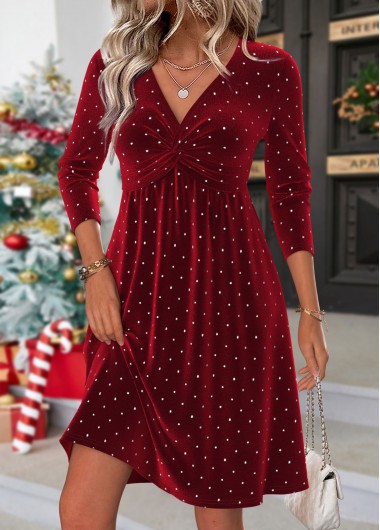
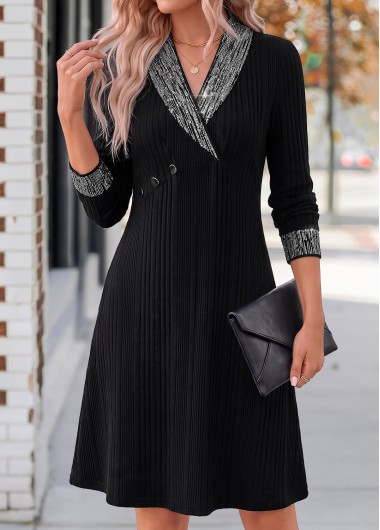
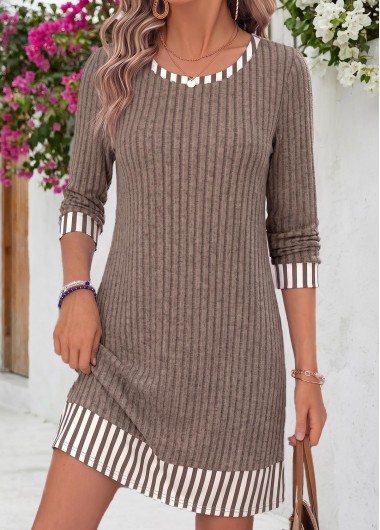
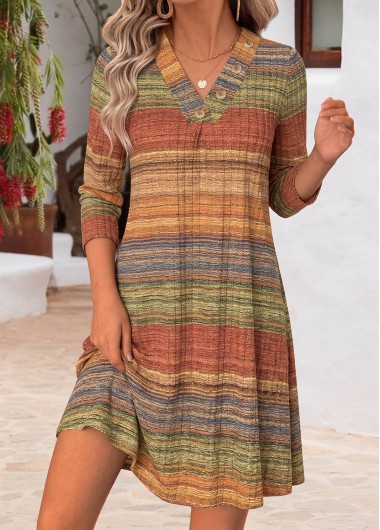
Texture can make a dress feel distinctive at a glance. Explore the silhouette and styling possibilities, then check each garment for the specific material and fit information you need.
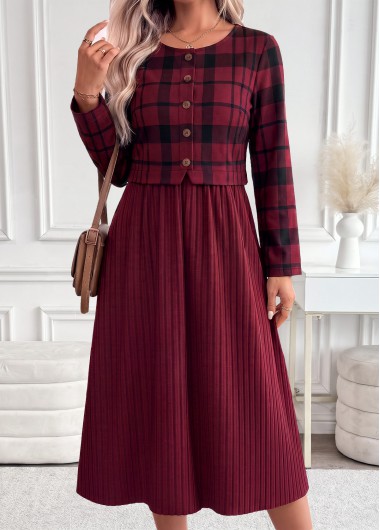
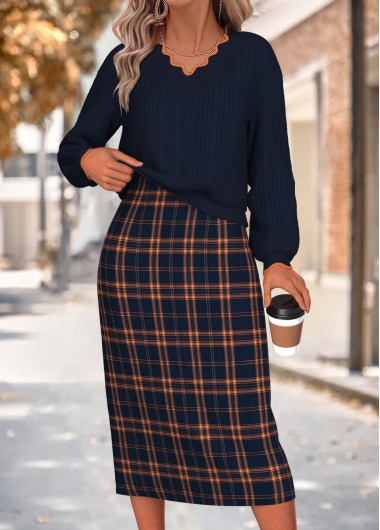
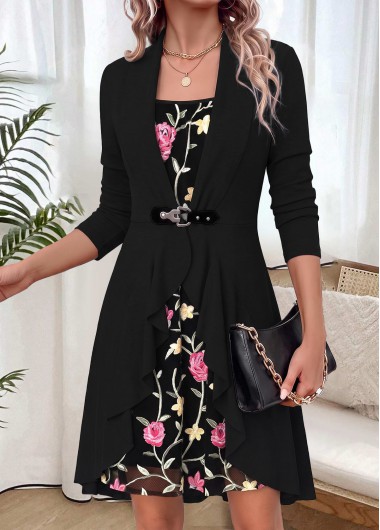
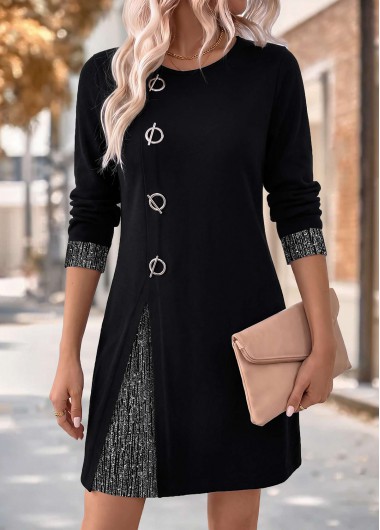
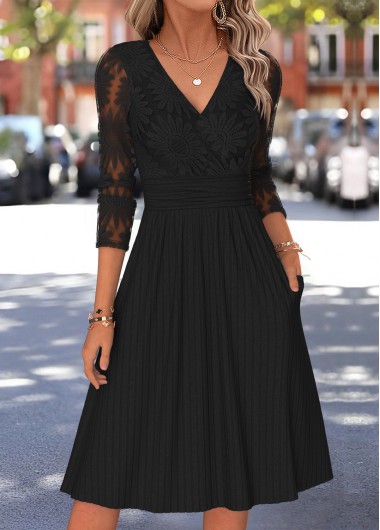
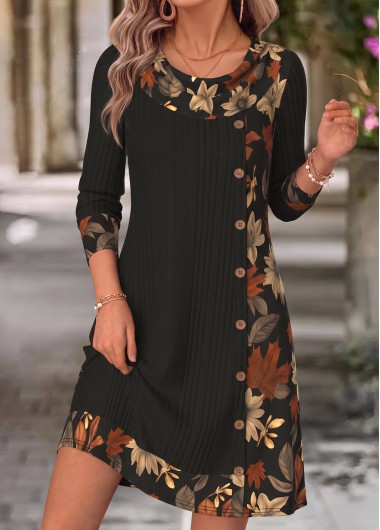
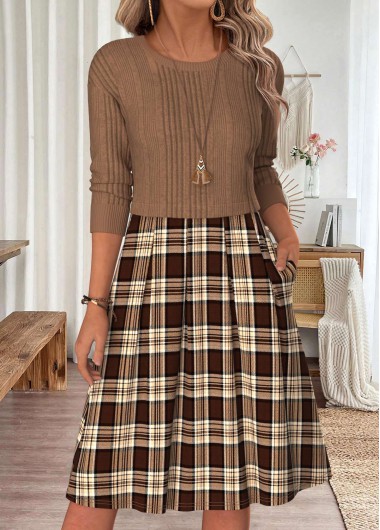
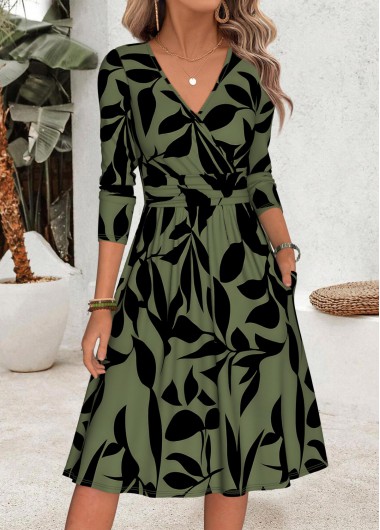
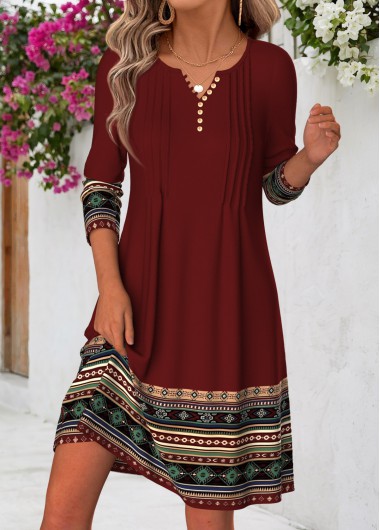
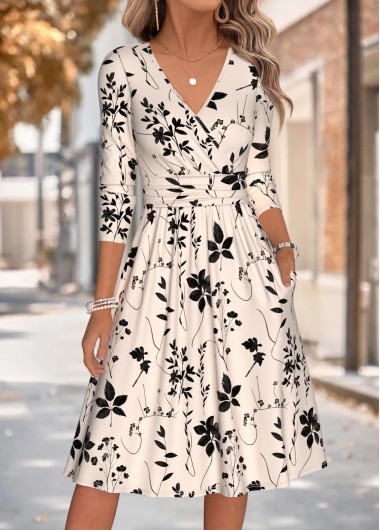
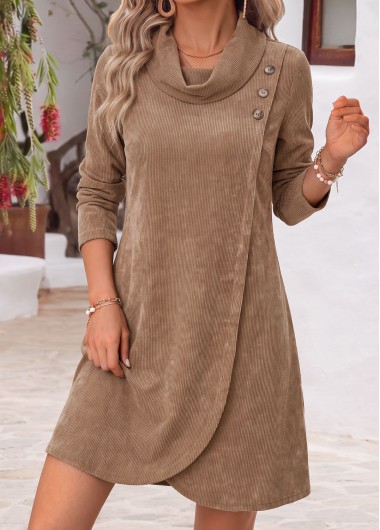
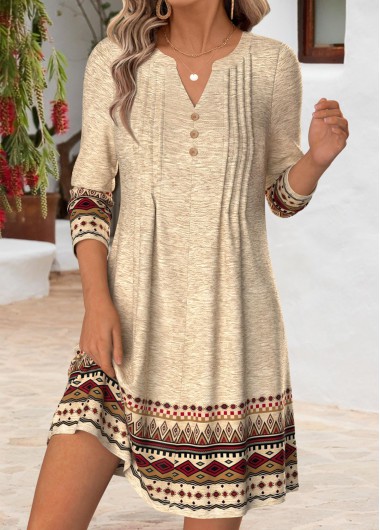
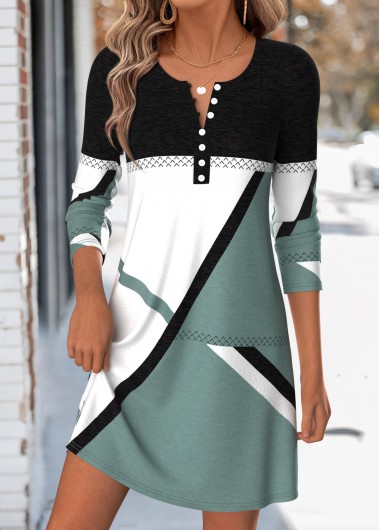
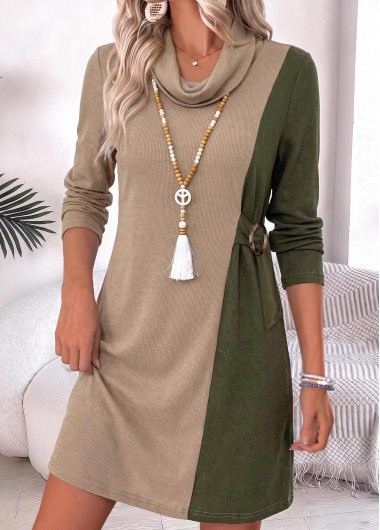
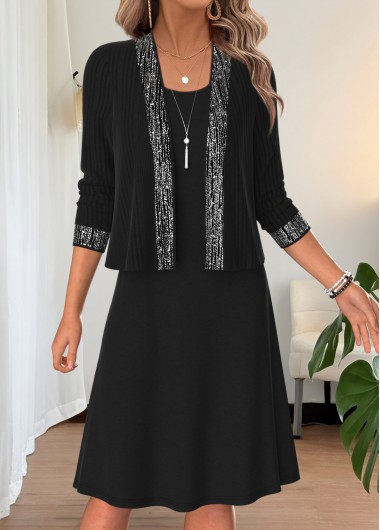
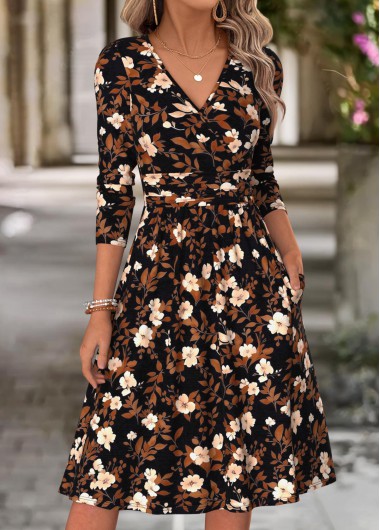
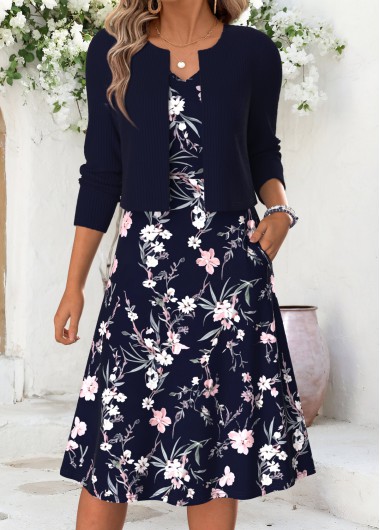
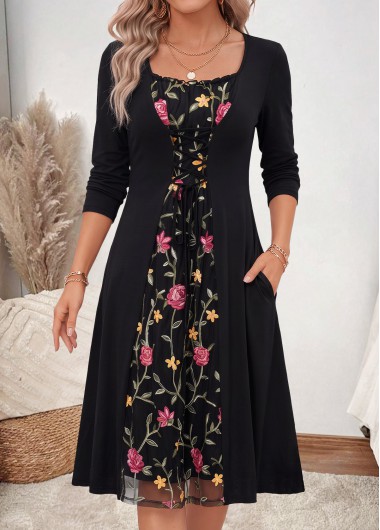
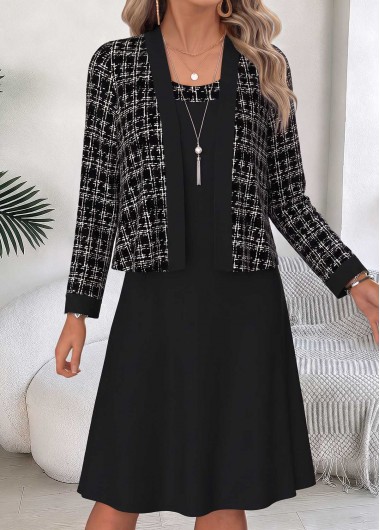
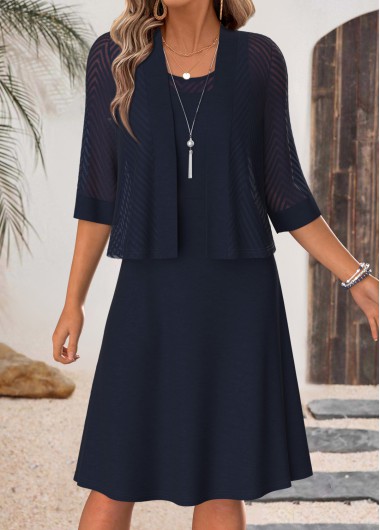
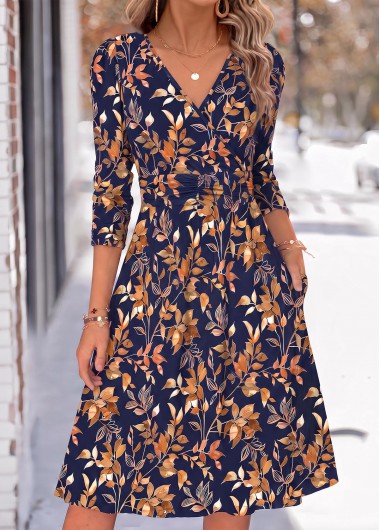
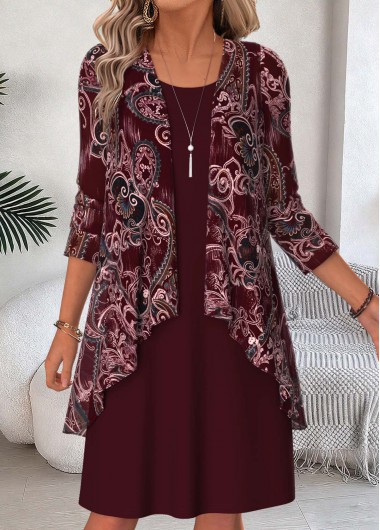
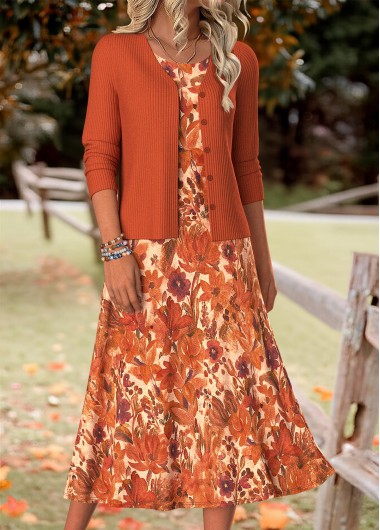
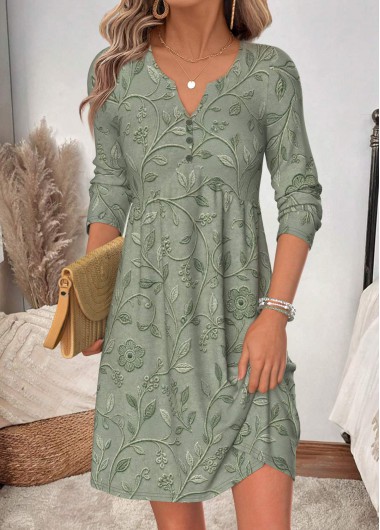
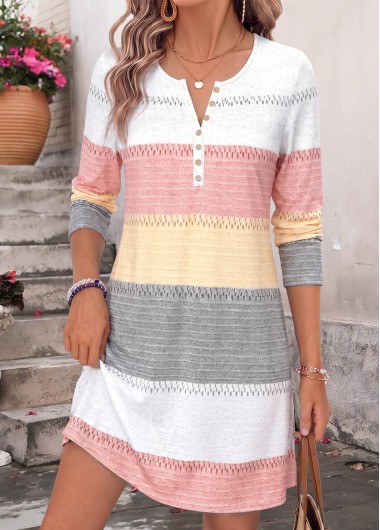
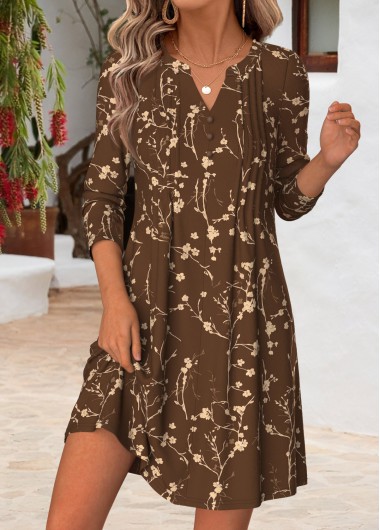
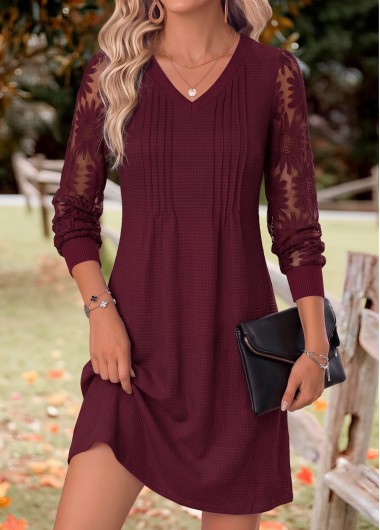
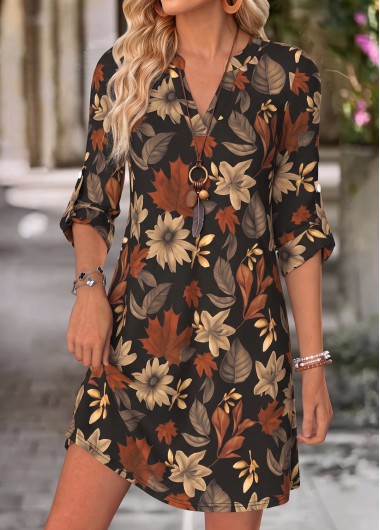
Knit dresses bring texture into the outfit conversation. Some let that texture take the lead, while others pair a knitted surface with print, color, or a distinct silhouette. Start by deciding what catches your eye: the overall shape, the visible surface, or the way the dress could fit into your day. Product photographs can help you compare those details, and each garment's information can answer questions the photographs leave open.
Look at the dress from a little distance before focusing on its surface. Does the outline feel relaxed, neat, or more dressed up? Where does the eye go first: to the neckline, the skirt, a pattern, or a change in texture? This wider view helps you decide whether the dress works with the shoes and outer layer you would actually wear. Then use close views to inspect the details that made you pause.
A knit can look different across colors and motifs. A quiet shade might make the outline more noticeable, while a printed design can give the dress a stronger point of interest. When you compare two options, ask whether you are responding to the texture or to the print. Keeping those preferences separate makes it easier to find another candidate if one dress has the right pattern but the wrong overall look for your plans.
Think through how you would style the neckline and sleeves. A pendant, scarf, or jacket can change the focus of an outfit, but each should work with the dress rather than hide the detail you like most. If the surface is visually busy, you may prefer quieter accessories. If the dress is simple, one expressive piece can give it a more personal finish. Let the occasion and your taste decide.
For an everyday plan, imagine the full sequence: leaving home, sitting for a meal or meeting, and perhaps moving between indoor and outdoor spaces. Choose the length and coverage that feel right for those moments. Use the garment's own details to assess material, fit, and care when those matter to you, because wearing feel varies by dress.
If you like arm coverage, long sleeve dresses offers another route to compare. If a shorter hem is your priority, explore mini dresses. Those collections help isolate one choice at a time. Come back to the knit dress that interests you and check the same garment's length, sleeve shape, and texture together before deciding how you would wear it.
A knit dress can also take on a different mood through layering. Picture the dress with a coat for a trip outside, then on its own once you arrive. Consider whether the neckline and any pattern still feel complete on their own. Shoes can shift the tone too: a familiar flat may suit a casual day, while another pair can make the same color combination feel more polished. Choose what fits your plans.
If a particular fiber is important to you, read the composition of the individual dress. Knit describes a type of construction; the garment's composition identifies its fibers. You can enjoy the look of a knit while still having a material preference. Keeping those two questions separate helps you make a decision based on the actual garment rather than an assumption prompted by its texture.
You may be choosing for a season, but seasonal styling depends on more than the category name. Think about the venue, the layers you can add, and the amount of coverage you prefer. Check the product information when you need to know about the fabric or care. Then consider how the dress would work with pieces already in your closet. A useful outfit is one you can picture wearing in the setting you have planned.
Color can help you make that outfit feel like yours. A neutral knit dress may give accessories more space, while a vivid shade or visible motif may need little added detail. Compare the dress in several views to see how the color and pattern continue around it. If you are deciding between two, lay out the shoes and outer layer you would pair with each. The easier combination may become the stronger choice.
For a material-led direction, browse cotton dresses and check each option's own composition. That page answers a different preference from the knit construction here. If both matter, look for both in the same garment's information. Check the full list of features on the dress you intend to choose.
For more daily outfit ideas, casual dresses broadens the comparison. Then return to the knit options with a short list of what you really want: texture, color, length, coverage, and the occasions you expect to wear the dress. Looking at those choices together turns an appealing surface into an outfit you can plan with confidence, while leaving garment-specific facts to the product details.

Create Account
Create password to get more coupons!
$100 OFF
New Members only!
Create Account
Create password to get more coupons!
$100 OFF
New Members only!
$20 OFF
for text subscribe

*It includes 4 coupons
Expired:
CODE:
Expired:
Fast Self-Service for Facebook Users.
24/7 online service available to all customers.
To avoid waiting time online, you could submit a ticket to us, our agent will respond within 1 business day.