



Fast Self-Service for Facebook Users.
24/7 online service available to all customers.
To avoid waiting time online, you could submit a ticket to us, our agent will respond within 1 business day.


Fast Self-Service for Facebook Users.
24/7 online service available to all customers.
To avoid waiting time online, you could submit a ticket to us, our agent will respond within 1 business day.
Sign In / Register
My Balance
Modlily Club
Sign in for the best experience
Processing
 Multi Color
 Please enter a valid number
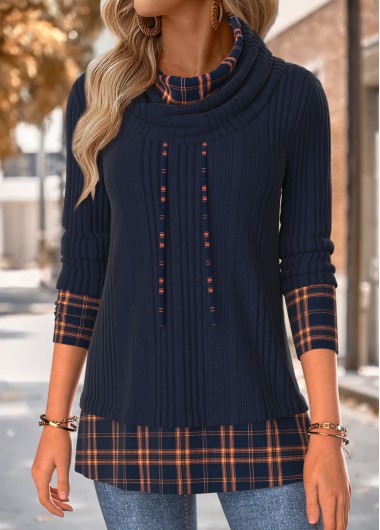

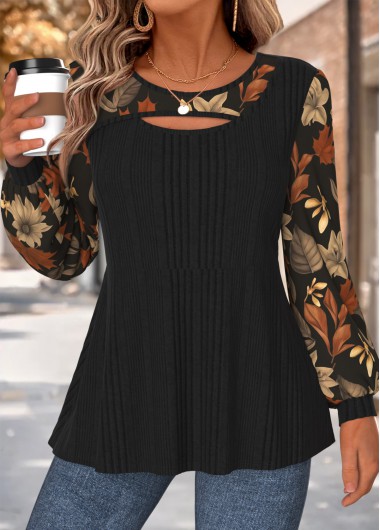
Very cute. Love it.
 MODLILY CLUB
% Off
MODLILY CLUB
% Off
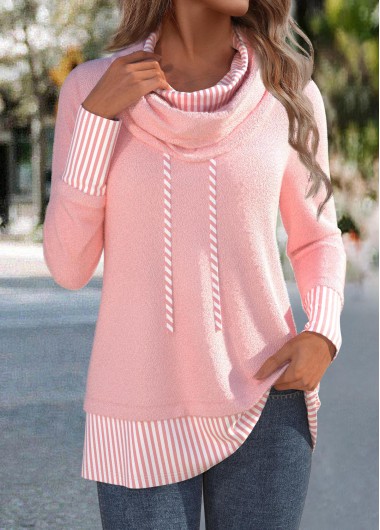
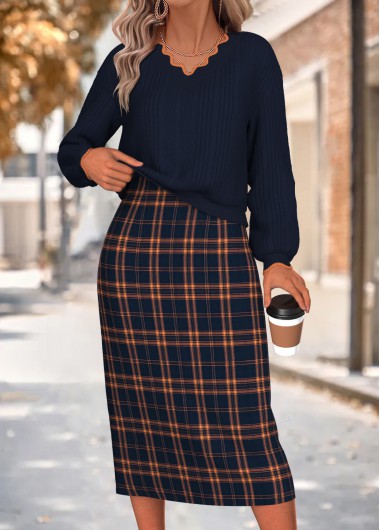
Love the fabric and is very cute.
MODLILY CLUB
% Off
 MODLILY CLUB
% Off
MODLILY CLUB
% Off
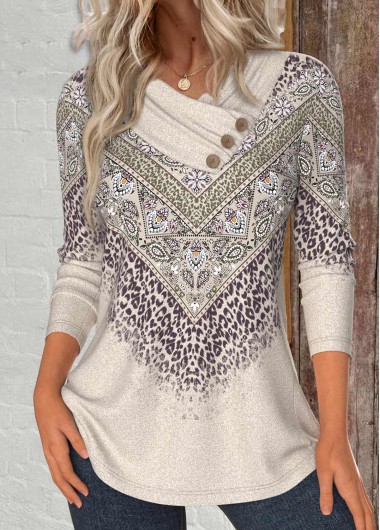
Beautiful material thinner then what shows on picture Tad small but on
MODLILY CLUB
% Off
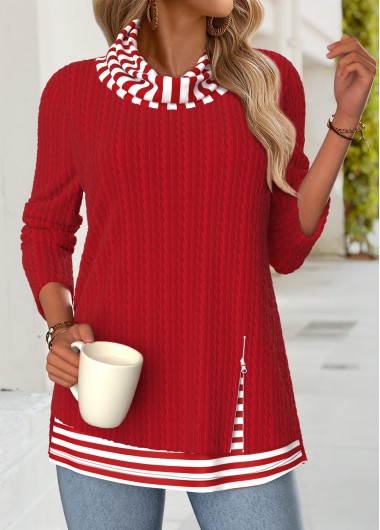
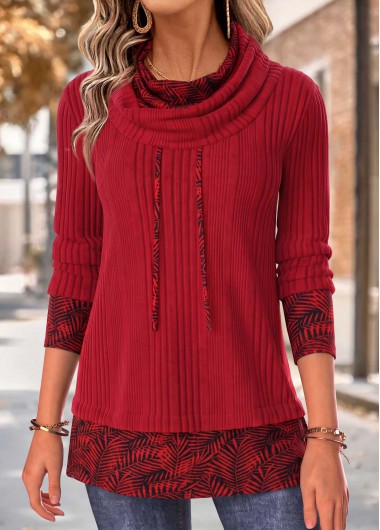
The false layering effect on a top that is exceptionally warn. It costs a few extra dollars, but is worth it.
MODLILY CLUB
% Off
 MODLILY CLUB
% Off
MODLILY CLUB
% Off
 MODLILY CLUB
% Off
MODLILY CLUB
% Off
 MODLILY CLUB
% Off
MODLILY CLUB
% Off
 MODLILY CLUB
% Off
MODLILY CLUB
% Off
 MODLILY CLUB
% Off
MODLILY CLUB
% Off
 MODLILY CLUB
% Off
MODLILY CLUB
% Off
 MODLILY CLUB
% Off
MODLILY CLUB
% Off
 MODLILY CLUB
% Off
MODLILY CLUB
% Off
 MODLILY CLUB
% Off
MODLILY CLUB
% Off
 MODLILY CLUB
% Off
MODLILY CLUB
% Off
 MODLILY CLUB
% Off
MODLILY CLUB
% Off
 MODLILY CLUB
% Off
MODLILY CLUB
% Off
 MODLILY CLUB
% Off
MODLILY CLUB
% Off
 MODLILY CLUB
% Off
MODLILY CLUB
% Off
 MODLILY CLUB
% Off
MODLILY CLUB
% Off
 MODLILY CLUB
% Off
MODLILY CLUB
% Off

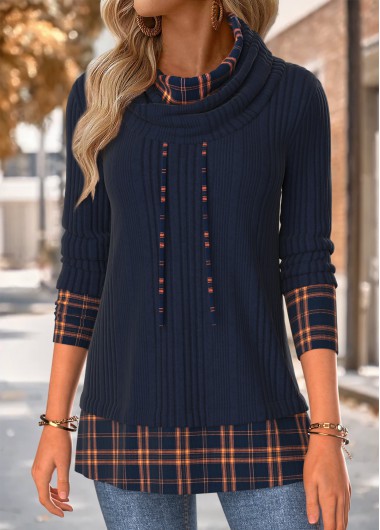
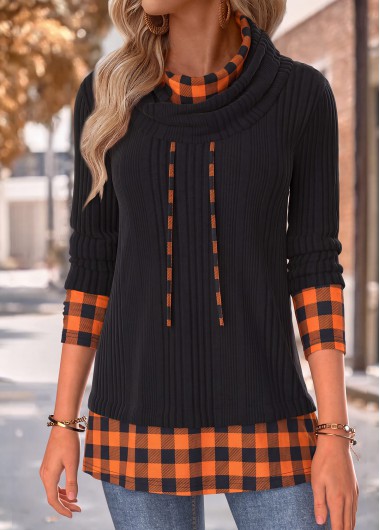
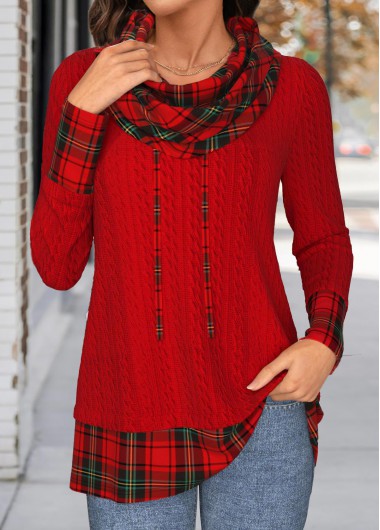
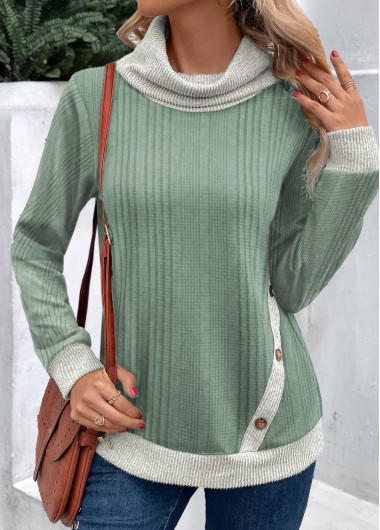
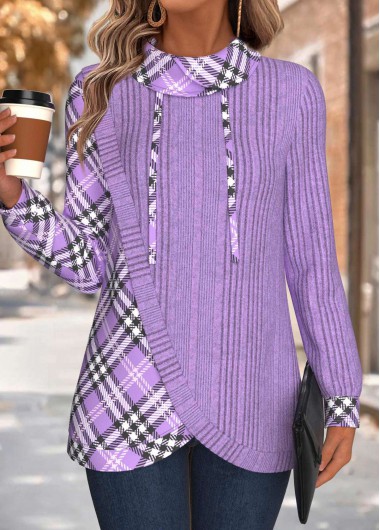
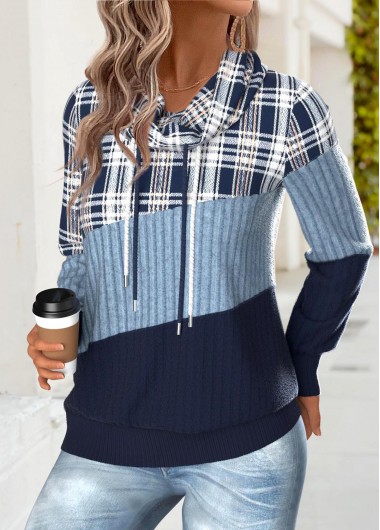
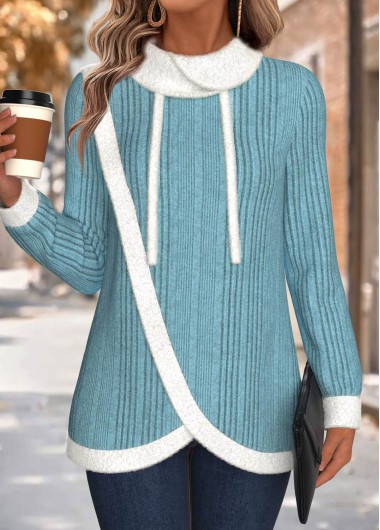
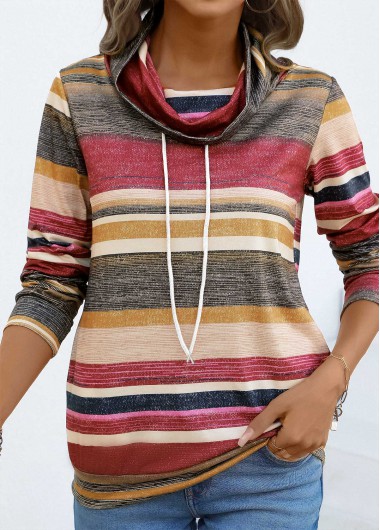
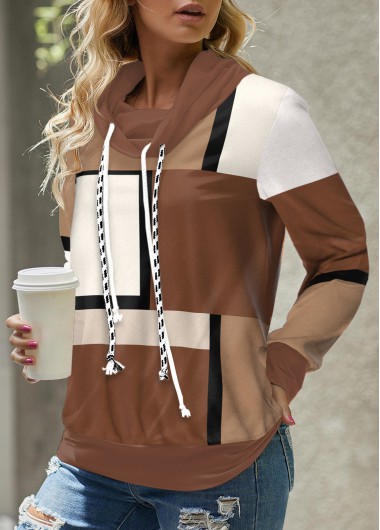
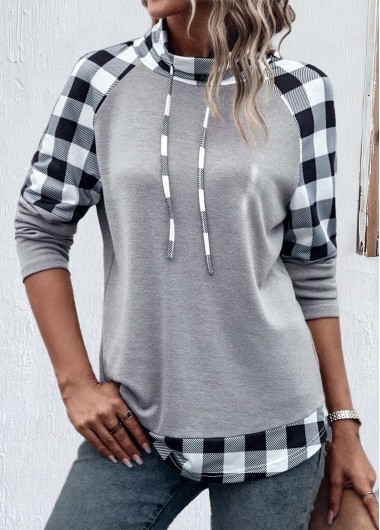
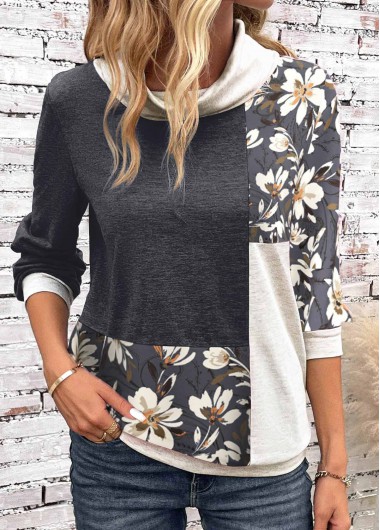
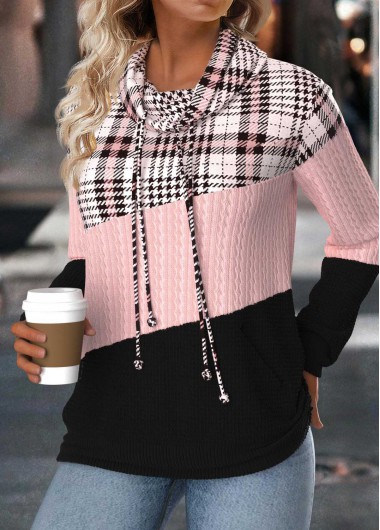
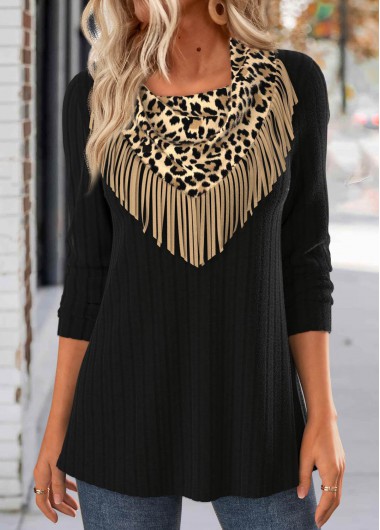
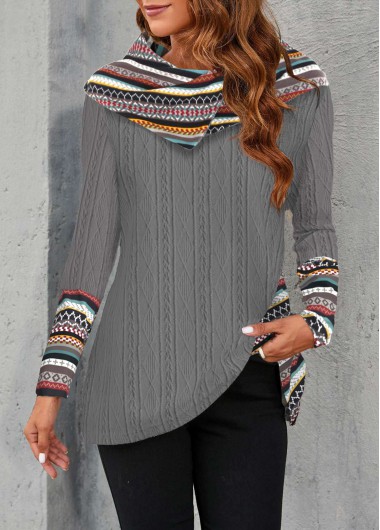
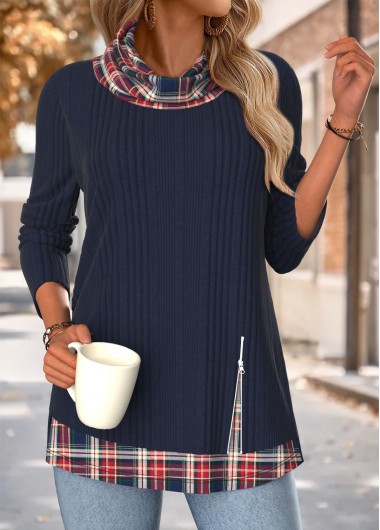
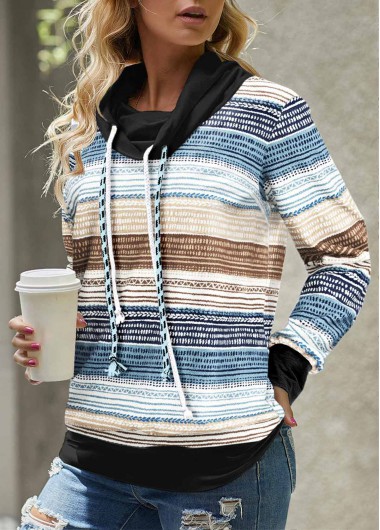
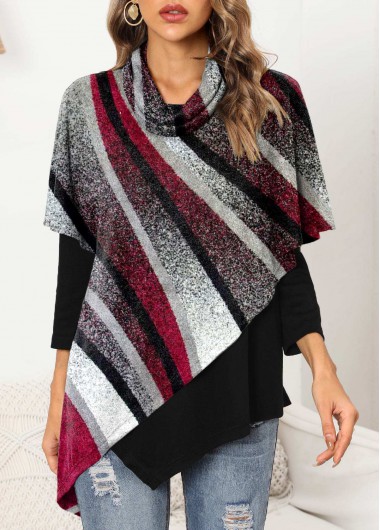
Cowl neck sweater and sweatshirt shapes place gathered-looking fabric around the neckline, but their material and body construction can differ. Look at the actual garment type in the listing rather than assuming a draped opening means a dressy fabric. The present collection includes cowl neck sweatshirt names and patterned designs, so a satin evening-top assumption would miss those everyday constructions.
Follow the neckline through the full photograph to see how the folds connect to the body. A larger fabric loop can occupy more of the upper chest, while a shallower fold can remain closer to the neck. Neither shape establishes one fixed fabric weight. The product description should tell you about the material rather than leaving the drape to imply it.
On a plaid or striped garment, the pattern can make the folds more visible in some areas and less clear in others. Compare the neckline detail with the complete front, so you can judge how much pattern the outfit will show. A close photograph may emphasize one fold that looks quieter at ordinary viewing distance. The whole garment provides the more useful outfit reference.
For another opening with a clearer edge, square neck tops offer a different neckline arrangement to compare. A more consistently covered upper opening can lead to high neck tops instead. Use those routes to decide which outline you prefer, not as substitutes that guarantee the same garment type, fabric or body shape as a cowl neck item.
Checking cowl depth and sleeve coverage begins with two separate parts of the photograph. Locate the lowest visible point of the neckline, then examine the arm coverage independently. Long sleeves do not necessarily make a deeper front more covered, and a higher fold does not tell you where the cuff ends. Give the sleeve and neckline their own coverage checks, then choose the arrangement you prefer.
Fabric folds can sit differently when you move, so compare the opening with a neckline you already wear comfortably. Think about leaning forward, sitting down and putting on an outer layer. A single posed image cannot establish the same neckline position through every movement. Item measurements and the actual construction can help you judge whether the shape meets your preferred amount of coverage.
Along the sleeve, look at the cuff opening and any fullness near the elbow. A relaxed sweatshirt sleeve can need different space beneath a jacket from a closer one. If a print runs from body to arm, check that complete pattern area as well. The sleeve choice affects both the practical use and how much color or pattern appears in the outfit.
If a particular sleeve or body shape appeals but the neckline does not, compare other outlines in the wider tops collection. Keep that garment outline separate from the folds that define the cowl. A longer hem, a straighter body and a roomier sleeve each contribute their own proportion. Settling those preferences together gives the draped opening a clear place within the outfit.
Choosing an underlayer for a cowl neck depends on whether you want it visible. An edge sitting above the lowest fold can create an intentional second neckline; a lower edge may remain concealed if the two pieces align. Look at their shapes together rather than assuming every tank can hide beneath every cowl. The folded fabric and the base layer both contribute to what appears.
V neck tank tops provide a lower-shaped opening to compare, while scoop neck tank tops introduce a more rounded line. Neither collection guarantees that the base will stay invisible beneath your chosen garment. Check the actual neckline depth, shoulder arrangement and side coverage, then decide whether a visible edge would be welcome or would change the outfit in a way you do not want.
An underlayer can also change the space needed through the body. Compare the outer garment's measurements with the layers you intend to use, especially across the chest and under the arms. Extra fabric at the neckline should not be treated as proof of extra room everywhere else. A smoothly styled photograph may show one arrangement without establishing that it suits every layering plan.
Confirm the purchase contents before expecting a pictured base layer to be included. Then read the item's fabric and care information, and bring the neckline depth, sleeves and intended separate back into the decision. Cowl neck tops become easier to choose when the folds have a clear role in your own outfit, with a visible or concealed underlayer selected deliberately rather than assumed from the product image.
Create Account
Create password to get more coupons!
$100 OFF
New Members only!
Create Account
Create password to get more coupons!
$100 OFF
New Members only!
$20 OFF
for text subscribe

*It includes 4 coupons
Expired:
CODE:
Expired:
Fast Self-Service for Facebook Users.
24/7 online service available to all customers.
To avoid waiting time online, you could submit a ticket to us, our agent will respond within 1 business day.