



Fast Self-Service for Facebook Users.
24/7 online service available to all customers.
To avoid waiting time online, you could submit a ticket to us, our agent will respond within 1 business day.


Fast Self-Service for Facebook Users.
24/7 online service available to all customers.
To avoid waiting time online, you could submit a ticket to us, our agent will respond within 1 business day.
Sign In / Register
My Balance
Modlily Club
Sign in for the best experience
Processing
Please enter a valid number
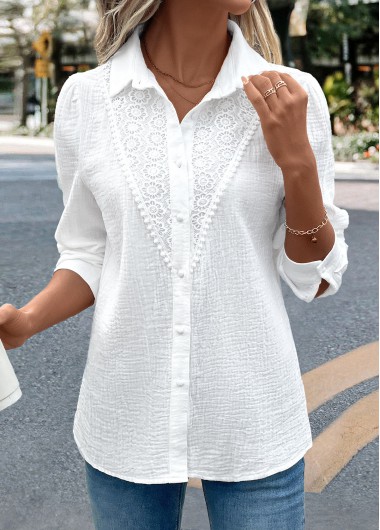

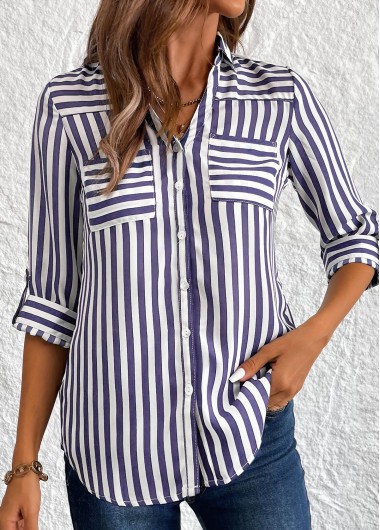
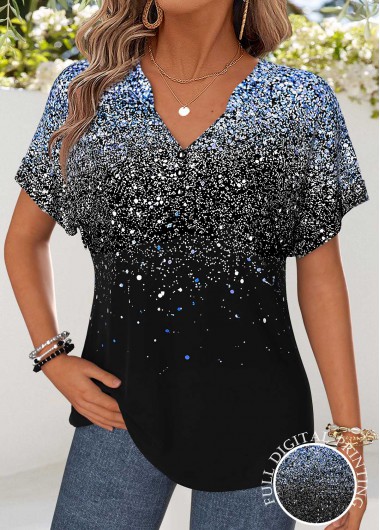
Live this top! It looks great with whatever you wear it with. Dress pants or jeans
 MODLILY CLUB
% Off
MODLILY CLUB
% Off
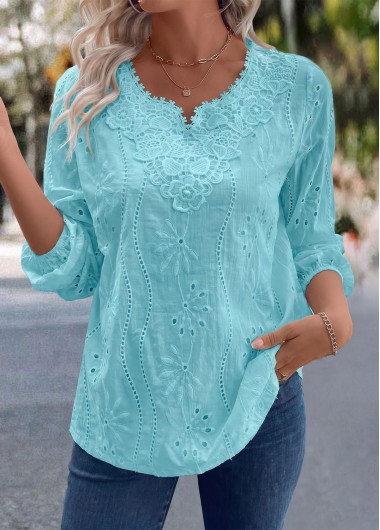
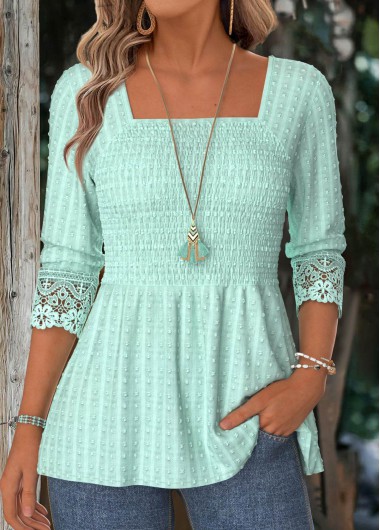
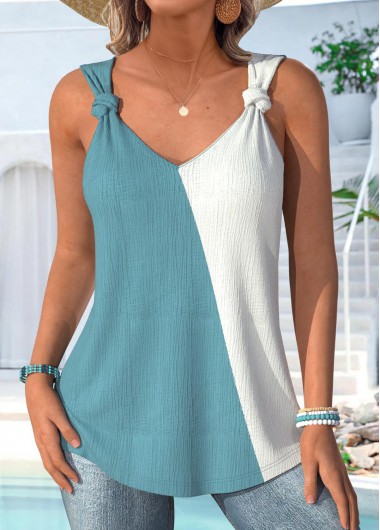
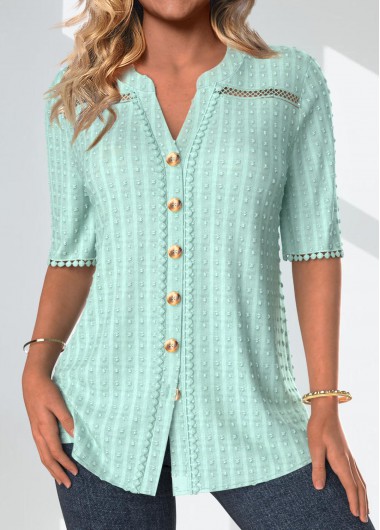
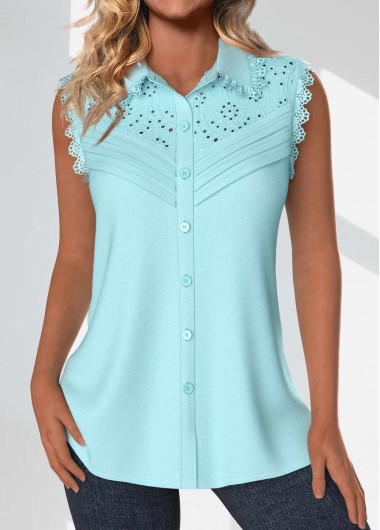
Lovely vibrant turquoise, very pretty light top for summer
MODLILY CLUB
% Off
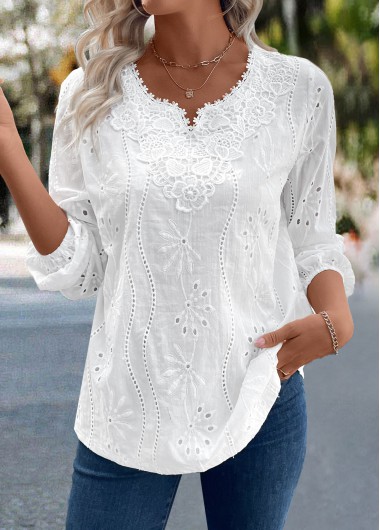
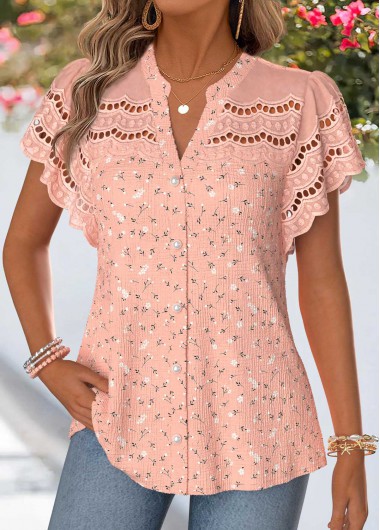
very cute shirt. fits great and is perfect length.
MODLILY CLUB
% Off
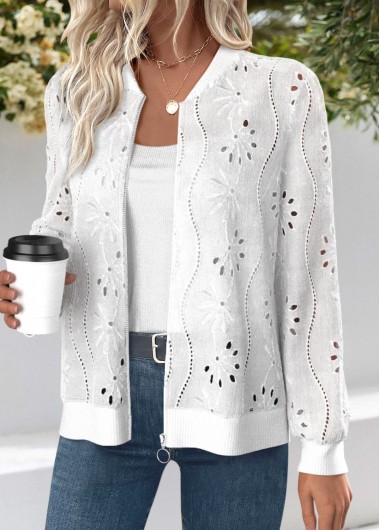
It’s exactly what I ordered . Love it !
MODLILY CLUB
% Off
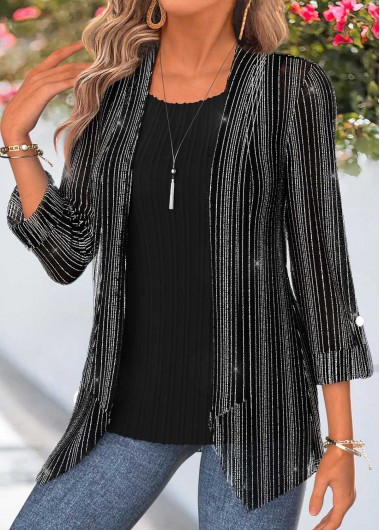
Beautiful two piece dress casual top. Fits perfectly.
MODLILY CLUB
% Off
 MODLILY CLUB
% Off
MODLILY CLUB
% Off
 MODLILY CLUB
% Off
MODLILY CLUB
% Off
 MODLILY CLUB
% Off
MODLILY CLUB
% Off
 MODLILY CLUB
% Off
MODLILY CLUB
% Off
 MODLILY CLUB
% Off
MODLILY CLUB
% Off
 MODLILY CLUB
% Off
MODLILY CLUB
% Off
 MODLILY CLUB
% Off
MODLILY CLUB
% Off
 MODLILY CLUB
% Off
MODLILY CLUB
% Off
 MODLILY CLUB
% Off
MODLILY CLUB
% Off
 MODLILY CLUB
% Off
MODLILY CLUB
% Off
 MODLILY CLUB
% Off
MODLILY CLUB
% Off
 MODLILY CLUB
% Off
MODLILY CLUB
% Off
 MODLILY CLUB
% Off
MODLILY CLUB
% Off
 MODLILY CLUB
% Off
MODLILY CLUB
% Off
 MODLILY CLUB
% Off
MODLILY CLUB
% Off
 MODLILY CLUB
% Off
MODLILY CLUB
% Off
 MODLILY CLUB
% Off
MODLILY CLUB
% Off
 MODLILY CLUB
% Off
MODLILY CLUB
% Off
 MODLILY CLUB
% Off
MODLILY CLUB
% Off
 MODLILY CLUB
% Off
MODLILY CLUB
% Off
 MODLILY CLUB
% Off
MODLILY CLUB
% Off
 MODLILY CLUB
% Off
MODLILY CLUB
% Off
 MODLILY CLUB
% Off
MODLILY CLUB
% Off
 MODLILY CLUB
% Off
MODLILY CLUB
% Off
 MODLILY CLUB
% Off
MODLILY CLUB
% Off
 MODLILY CLUB
% Off
MODLILY CLUB
% Off
 MODLILY CLUB
% Off
MODLILY CLUB
% Off
 MODLILY CLUB
% Off
MODLILY CLUB
% Off
 MODLILY CLUB
% Off
MODLILY CLUB
% Off
 MODLILY CLUB
% Off
MODLILY CLUB
% Off
 MODLILY CLUB
% Off
MODLILY CLUB
% Off
 MODLILY CLUB
% Off
MODLILY CLUB
% Off
 MODLILY CLUB
% Off
MODLILY CLUB
% Off

Checking cotton percentages and blends begins with the composition of the individual garment. Find the fiber information in its listing rather than relying on the collection name or a fabric's appearance. A cotton blend can include different fibers in different proportions. The sleeved, sleeveless or collared shape does not establish the cotton content, and a light-looking photograph cannot confirm it.
A clear composition statement is essential when you specifically want 100% cotton tops. A description saying cotton without a percentage does not answer the same question. Organic claims need their own evidence too; they should not be inferred from cotton content. Keep each requirement specific, so the label you are looking for is confirmed rather than assumed.
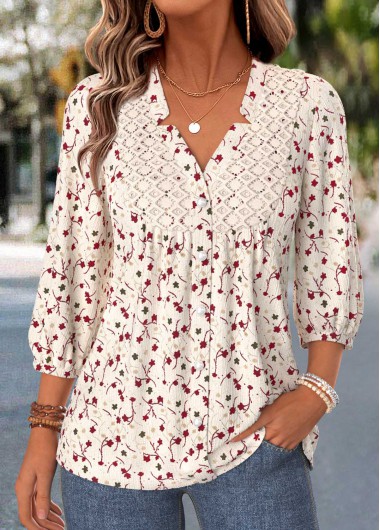
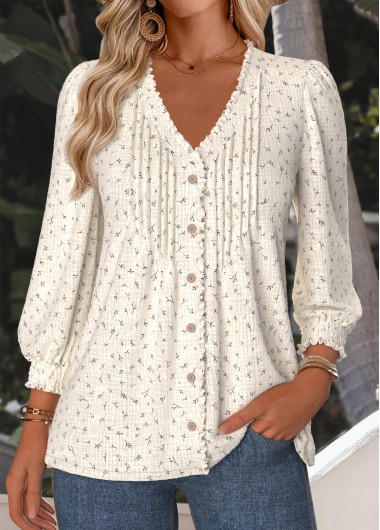
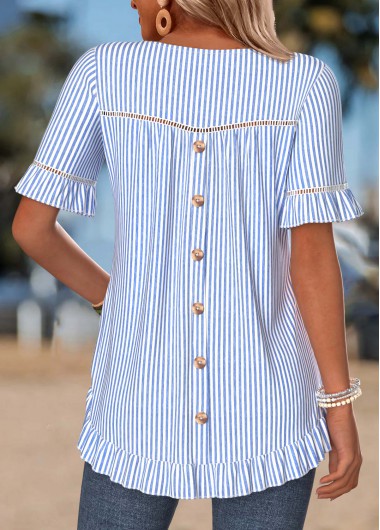
Fabric structure is another separate part of the choice. A woven shirt and a knitted tee can both involve cotton while hanging differently and requiring different care. Inspect the description and close photographs where available. A textured appearance, including embroidery or a patterned weave, says more about the visible surface than about the full composition of the garment.
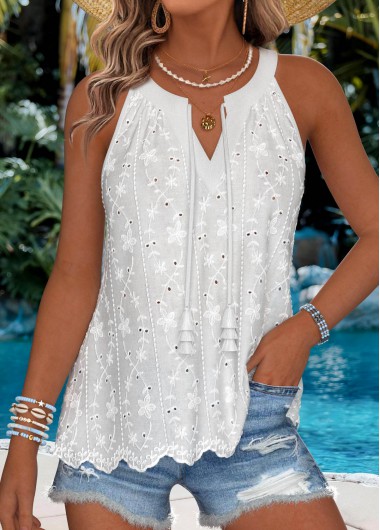
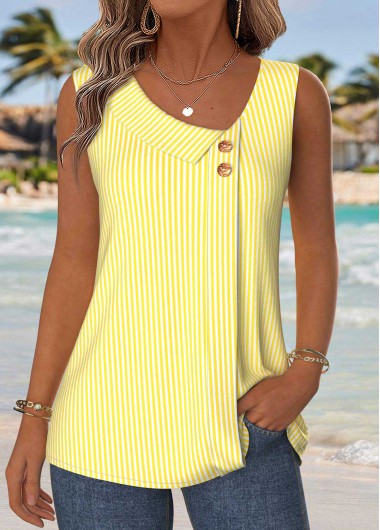
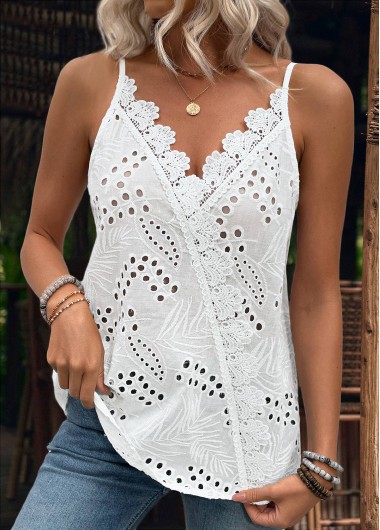
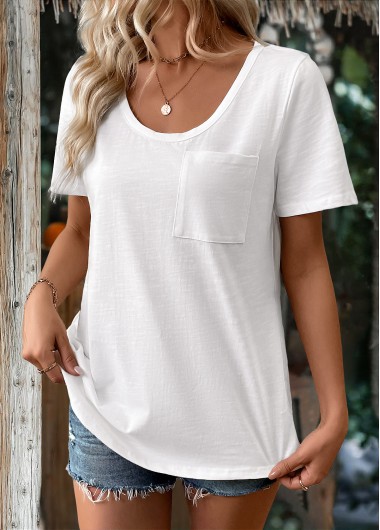
For a sleeveless fabric preference, cotton tank tops provide a narrower route with the same percentage checks. White cotton tank tops add a pale-color preference that needs coverage assessed separately. Neither the cotton label nor the white label establishes lining or opacity. Return to the actual item for those details before expecting a specific material or underlayer arrangement.
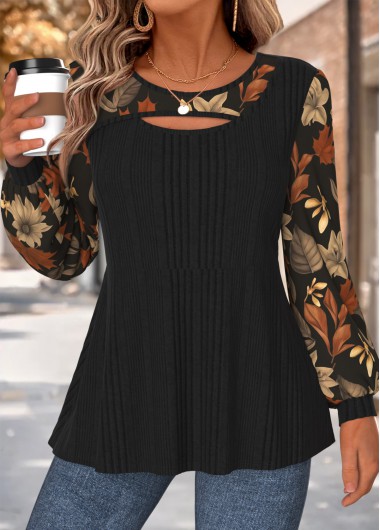
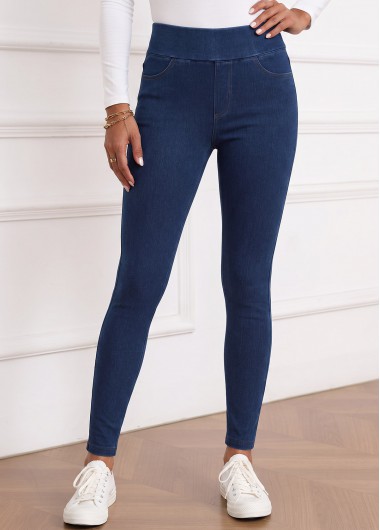
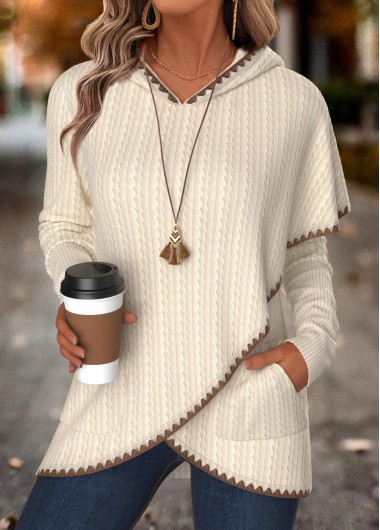
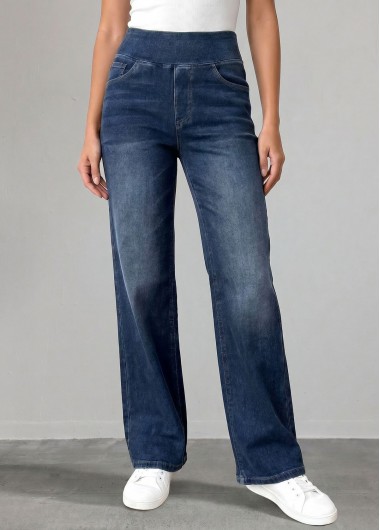
Cotton tops with jeans should be compared around the actual waistband you intend to use. Put the garment's length and lower edge beside a pair of jeans you already wear comfortably. A long curved hem can sit differently at the sides from the center front, while a straighter edge creates another line. Choose the proportion before deciding whether a tuck will help the outfit.
The fabric construction affects that decision too. More substantial material can gather differently inside a waistband from a lighter fabric, even when both contain cotton. Look at the body shape and the listed material information together. Do not treat a cotton percentage as a fit description. Room through the chest and lower body should be judged from the individual measurements.
For a shaped lower edge, cotton peplum tops narrow the combined fabric-and-hem preference. Verify the composition of the item and the position where its shaped section begins. A hem that works with higher-rise jeans can meet a lower waistband differently. The useful comparison is your planned outfit, rather than an assumption that every peplum gives the same silhouette.
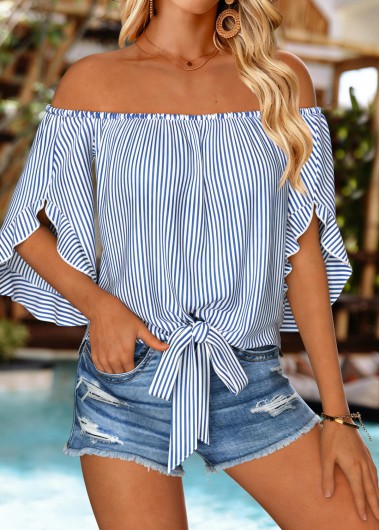
Warmer-weather outfits can lead to summer cotton tops, but the season label should not replace the material check. Your climate, activities and intended outer layer each affect the choice. For women's cotton tops alongside jeans, settle the garment's shape and care requirements as well as the fiber preference, so the piece has a practical role in your regular wardrobe.
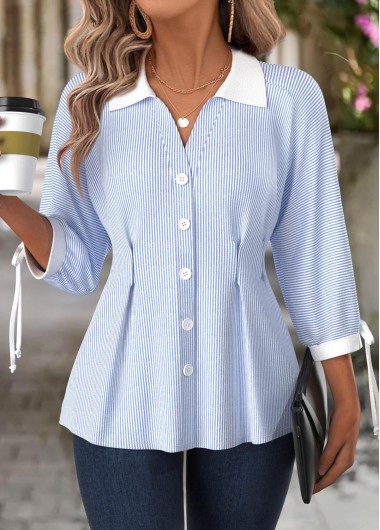
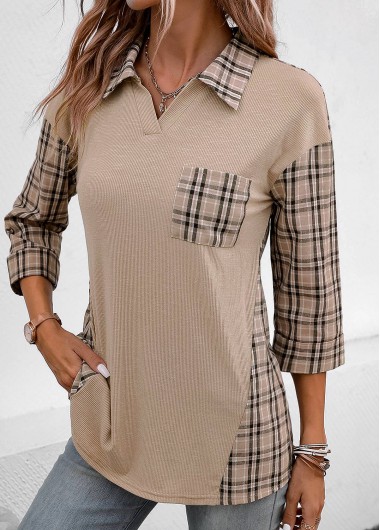
Cotton tops for office outfits should meet the workplace's expectations through neckline, coverage and garment type. Cotton content does not establish a level of formality. A patterned tee, a collared shirt and an outer layer can require different arrangements even when their fiber descriptions overlap. Check the dress code before treating a material preference as enough to choose the work garment.
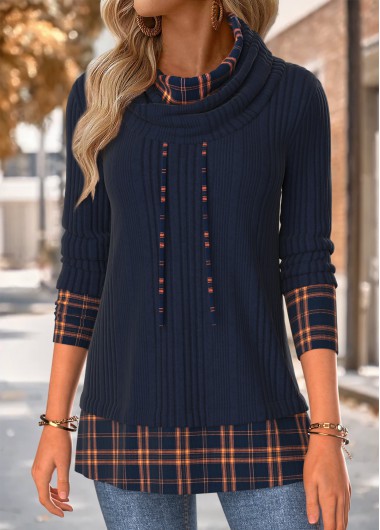
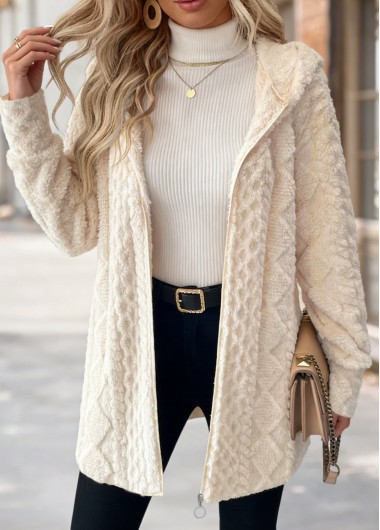
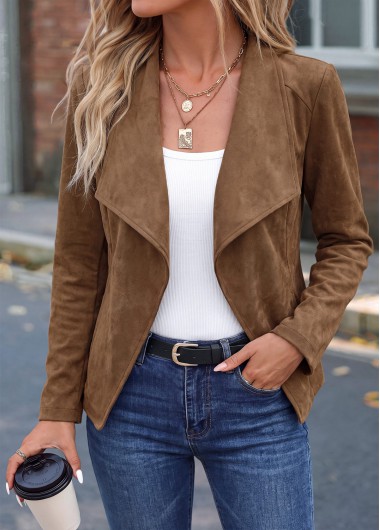
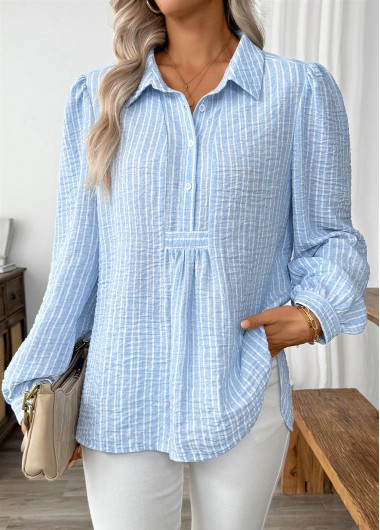
Consider the top beneath the jacket or cardigan you normally use. A collar may sit above the outer neckline, while a decorative cuff can extend beyond the jacket sleeve. Decide which detail you want visible, and check that the two pieces have enough room where they overlap. A smooth-looking photograph of the top alone cannot establish how it will sit inside your own outer layer.
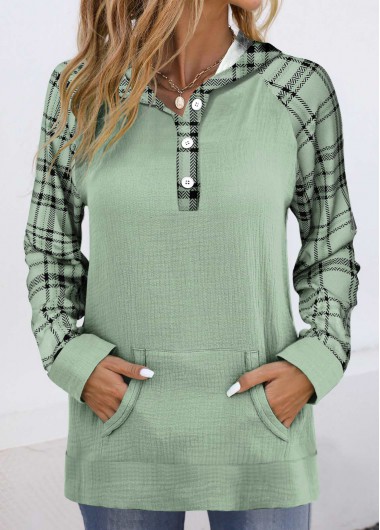
When longer arm coverage is important, long sleeve cotton tops narrow that preference. The fiber percentage, cuff shape and sleeve measurements still need individual confirmation. If the garment type is undecided, the broader tops collection can help compare shapes before you return to the cotton requirement. Garment outline and composition should support each other rather than stand in for one another.
Finish with the item's fabric statement, measurements, care instructions and purchase contents. A shirt styled with another layer may not supply that second garment. Once those details are clear, choose the cotton top that works beside your jeans or office separate. The verified composition gives you the material answer, while the actual cut and the intended setting establish how you will use it.

Create Account
Create password to get more coupons!
$100 OFF
New Members only!
Create Account
Create password to get more coupons!
$100 OFF
New Members only!
$20 OFF
for text subscribe

*It includes 4 coupons
Expired:
CODE:
Expired:
Fast Self-Service for Facebook Users.
24/7 online service available to all customers.
To avoid waiting time online, you could submit a ticket to us, our agent will respond within 1 business day.