
Fast Self-Service for Facebook Users.
24/7 online service available to all customers.
To avoid waiting time online, you could submit a ticket to us, our agent will respond within 1 business day.


Fast Self-Service for Facebook Users.
24/7 online service available to all customers.
To avoid waiting time online, you could submit a ticket to us, our agent will respond within 1 business day.
Sign In / Register
My Balance
Modlily Club
Sign in for the best experience
Processing
 Multi Color
Gold
Please enter a valid number


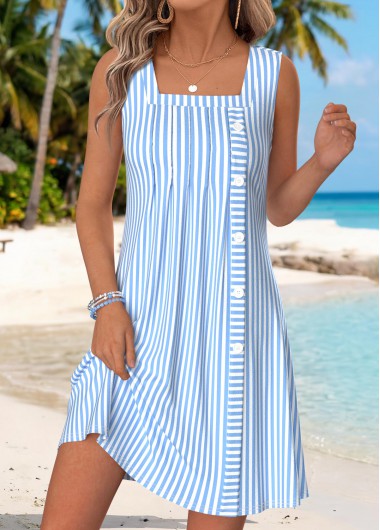
Perfect fit and lovely fabric
 MODLILY CLUB
% Off
 MODLILY CLUB
% Off

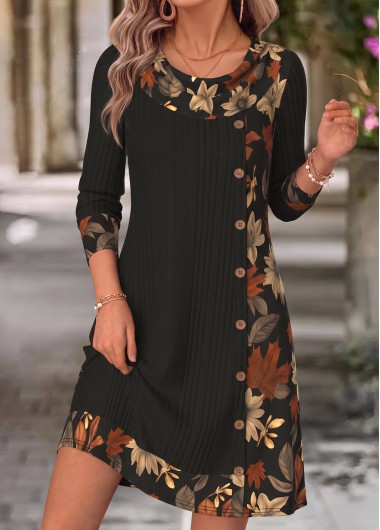
Best dress for a beautiful wedding easy care fabric
MODLILY CLUB
% Off
 MODLILY CLUB
% Off

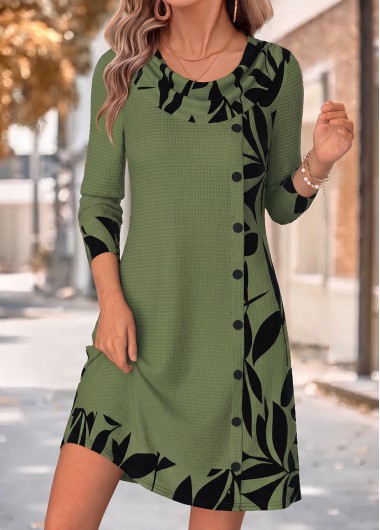
Very pretty dress. I oredered size XXL and it fits perfectly, drapes beautifully. No lumps or bumps.
MODLILY CLUB
% Off
 MODLILY CLUB
% Off
 MODLILY CLUB
% Off
 MODLILY CLUB
% Off
 MODLILY CLUB
% Off
 MODLILY CLUB
% Off
 MODLILY CLUB
% Off
 MODLILY CLUB
% Off
 MODLILY CLUB
% Off
 MODLILY CLUB
% Off
 MODLILY CLUB
% Off
 MODLILY CLUB
% Off
 MODLILY CLUB
% Off
 MODLILY CLUB
% Off
 MODLILY CLUB
% Off
 MODLILY CLUB
% Off
 MODLILY CLUB
% Off
 MODLILY CLUB
% Off
 MODLILY CLUB
% Off
 MODLILY CLUB
% Off
 MODLILY CLUB
% Off
 MODLILY CLUB
% Off
 MODLILY CLUB
% Off
Asymmetrical dresses can place their uneven design at the neckline, the hem or another part of the garment. Those locations create different outlines and should not be treated as interchangeable. Start by identifying the edge that departs from a more even shape. An asymmetrical neckline changes the upper frame near the face; an uneven hem changes the lower boundary of the skirt.
The beige leaf-print short dress with an asymmetrical neckline gives a named upper-edge example. Its leaf motif and neckline shape are separate features. The pattern can add another set of shapes around the opening, but the word asymmetrical does not establish a matching uneven skirt. A short product name also identifies a length direction without telling you that both sides of the hem are different.
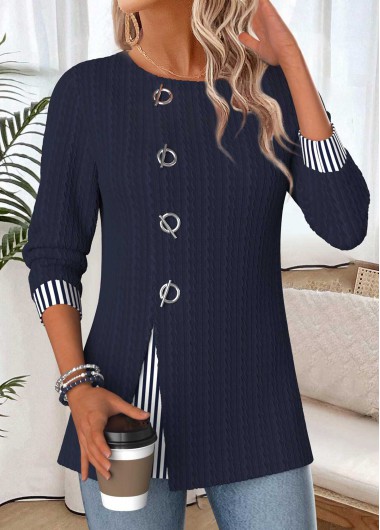
A navy striped patchwork long-sleeve asymmetrical-neck design introduces a linear pattern around another uneven opening. Stripes can make changes in angle more noticeable where they meet an edge. Look at their actual direction in the images rather than assuming they continue evenly across seams. The relationship between stripe and neckline is part of this specific design, not a promise about every asymmetrical garment.
For asym dresses, the back view can be as informative as the front. Follow the neckline around the shoulders to understand whether the asymmetry continues or changes. A front opening that appears lower on one side does not reveal the complete back construction. Any strap, fastening or additional opening needs the particular garment information rather than an assumption from the style name. A necklace crossing that edge introduces a second line; decide whether you want both lines visible before making the upper detail more complicated.
handkerchief dresses develops the handkerchief-hem direction, where points and changes along the lower edge are the focus. slit dresses concentrates on slits, which are openings rather than a general synonym for asymmetry. A dress can combine these details, but one label does not prove the others. Identify each feature and its position before deciding what kind of uneven outline you want.
The lower design may also use patchwork or crossing edges instead of a simple one-side-shorter hem. These can produce a different composition even when the overall skirt length is similar. Trace the join between panels to understand whether the change comes from the lower boundary, an overlapping section or another construction detail. This keeps a neckline preference from turning into an unverified hem claim and helps distinguish the design you enjoy from a different construction.
An uneven neckline can make a dress distinctive without establishing that it is formal. The requested level of dressing still depends on the event. A leaf-print short garment and a long evening gown with an asymmetrical opening can share that one detail while offering quite different finishes. Consider the complete outfit rather than treating asymmetry as an occasion category.
For a formal invitation, formal dresses provides the focused direction. The actual fabric, construction and overall appearance need to answer the request. A patterned asymmetrical neckline should not be made into a formal-gown promise simply because the opening is unusual. If the invitation specifies cocktail clothing, cocktail dresses offers a separate comparison instead.
The location of the uneven edge can help determine which additional detail you want near it. An asymmetrical neckline already creates a changing line around the upper body. A necklace introduces another line across that area, while earrings sit above it. Either can be a personal choice. Look at how much space the actual opening leaves rather than assigning the same jewelry arrangement to every uneven neckline.
A layer can also conceal part of that distinctive edge. If you intend to keep an outer garment on at the event, consider the view with it in place. The upper detail you chose may remain visible on one side and be covered on the other. That can be an arrangement you enjoy, but it is worth making the decision from the complete outfit rather than the dress alone.
A wedding guest can use the same garment-specific approach without a separate general etiquette chapter. The actual shade, openings and requested standard all remain relevant. An asymmetrical construction is one design preference within that decision. Keep its real location clear so the feature you wanted at the neckline, hem or crossing section is the feature the finished outfit actually shows.
Create Account
Create password to get more coupons!
$100 OFF
New Members only!
Create Account
Create password to get more coupons!
$100 OFF
New Members only!
$20 OFF
for text subscribe

*It includes 4 coupons
Expired:
CODE:
Expired:
Fast Self-Service for Facebook Users.
24/7 online service available to all customers.
To avoid waiting time online, you could submit a ticket to us, our agent will respond within 1 business day.