



Fast Self-Service for Facebook Users.
24/7 online service available to all customers.
To avoid waiting time online, you could submit a ticket to us, our agent will respond within 1 business day.


Fast Self-Service for Facebook Users.
24/7 online service available to all customers.
To avoid waiting time online, you could submit a ticket to us, our agent will respond within 1 business day.
Sign In / Register
My Balance
Modlily Club
Sign in for the best experience
Processing

 MODLILY CLUB % Off
 MODLILY CLUB % Off
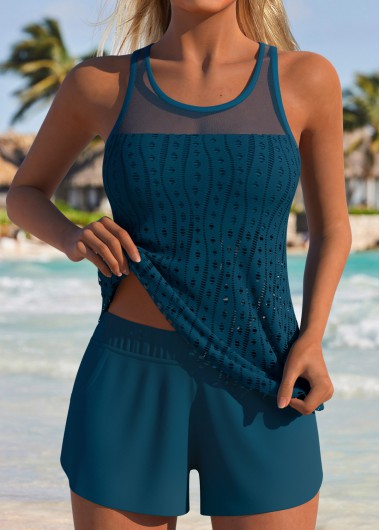 MODLILY CLUB % Off
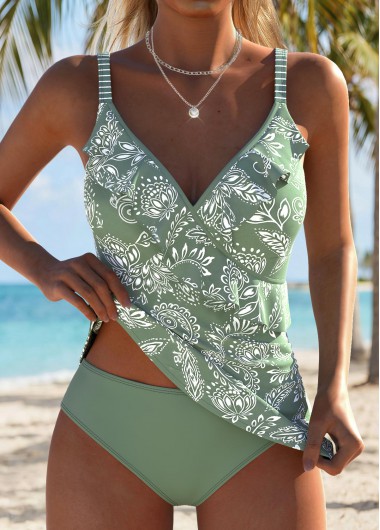 MODLILY CLUB % Off
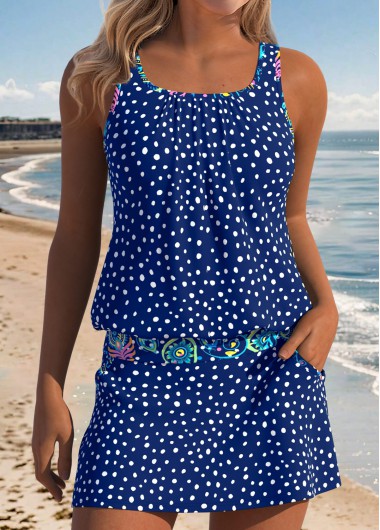 MODLILY CLUB % Off
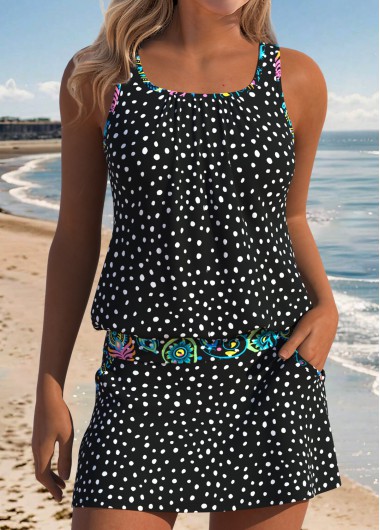 MODLILY CLUB % Off
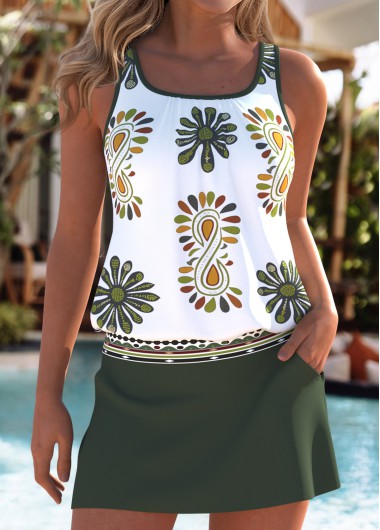 MODLILY CLUB % Off
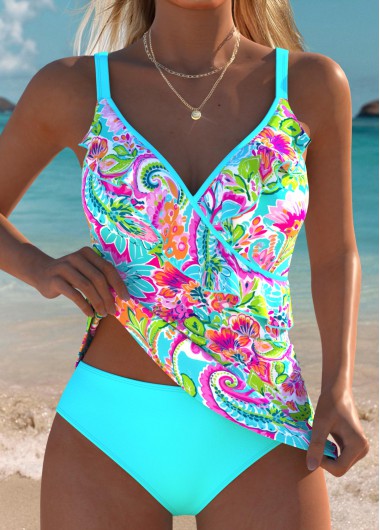 MODLILY CLUB % Off
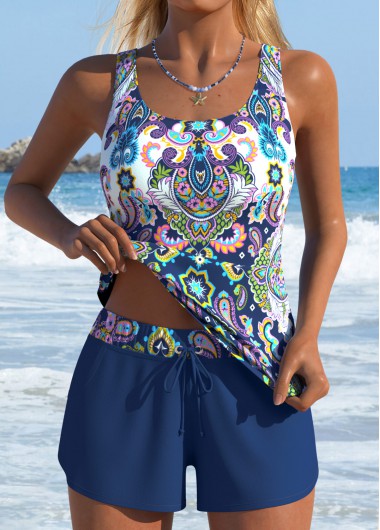 MODLILY CLUB % Off
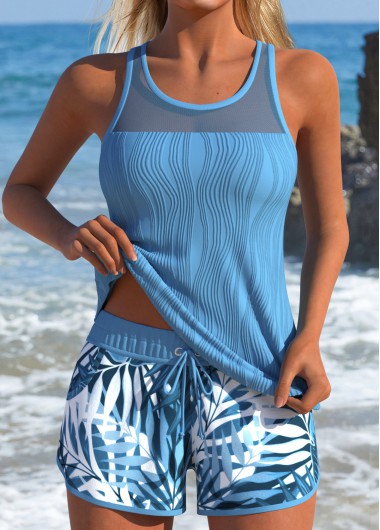 MODLILY CLUB % Off
 MODLILY CLUB % Off
 MODLILY CLUB % Off
 MODLILY CLUB % Off
 MODLILY CLUB % OffMODLILY CLUB % OffMODLILY CLUB % OffMODLILY CLUB % OffMODLILY CLUB % OffMODLILY CLUB % OffMODLILY CLUB % OffMODLILY CLUB % OffMODLILY CLUB % OffMODLILY CLUB % OffMODLILY CLUB % Off
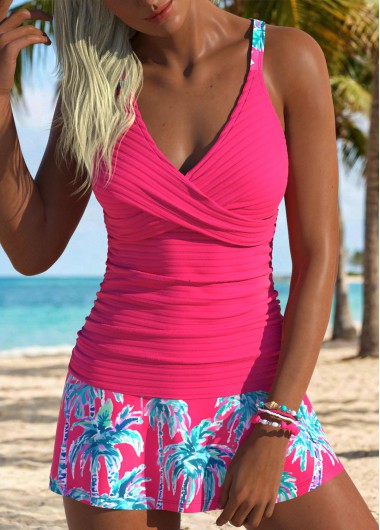 MODLILY CLUB % Off
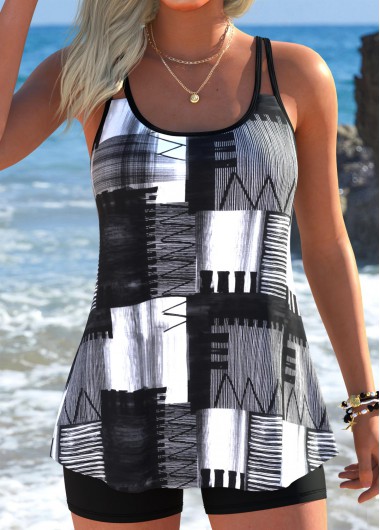 MODLILY CLUB % Off
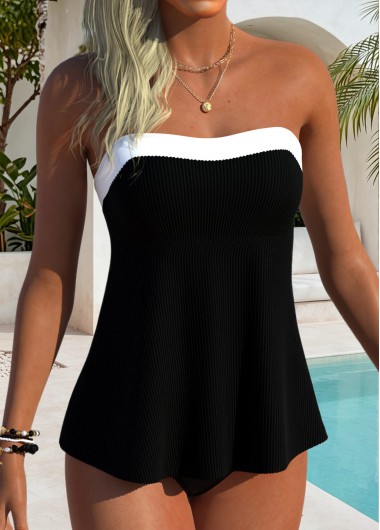 MODLILY CLUB % Off
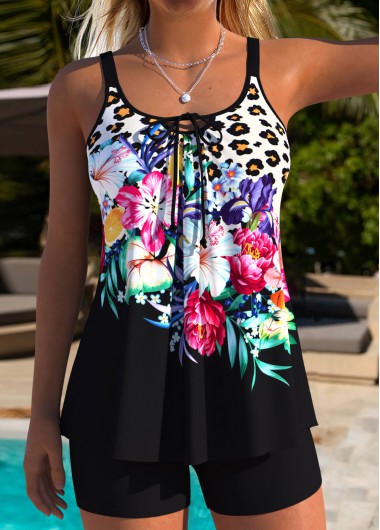 MODLILY CLUB % Off
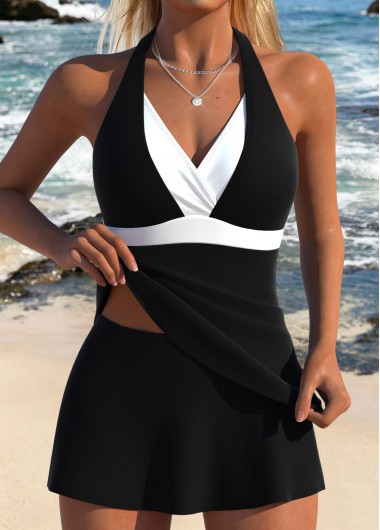 MODLILY CLUB % Off
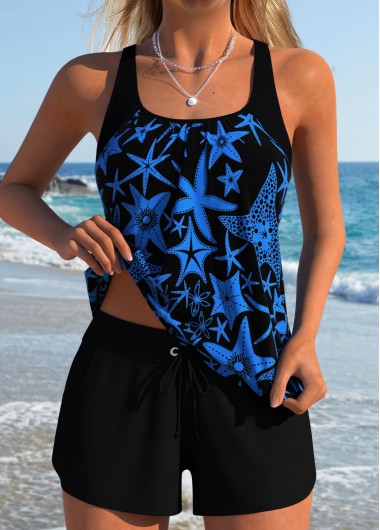 MODLILY CLUB % Off
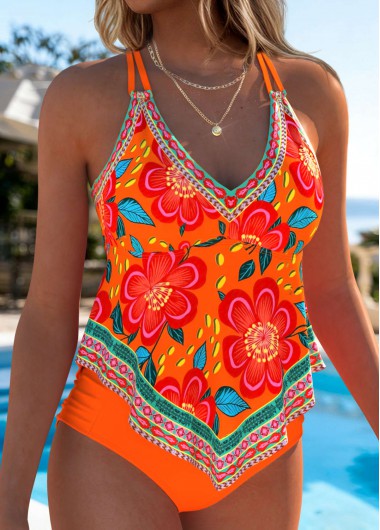 MODLILY CLUB % Off
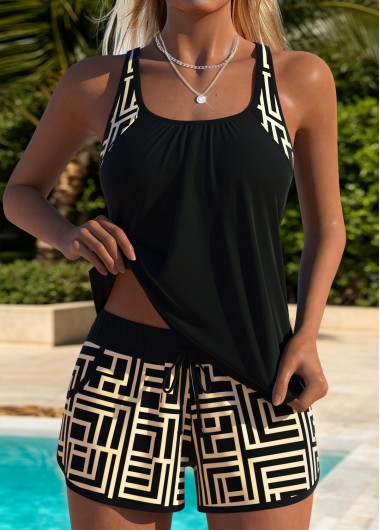 MODLILY CLUB % Off
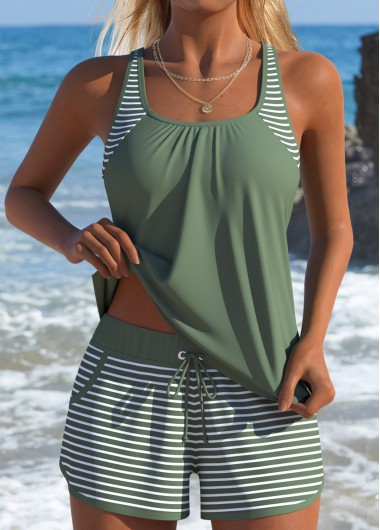 MODLILY CLUB % Off
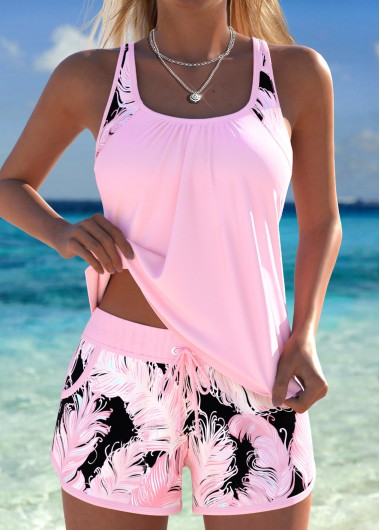 MODLILY CLUB % Off
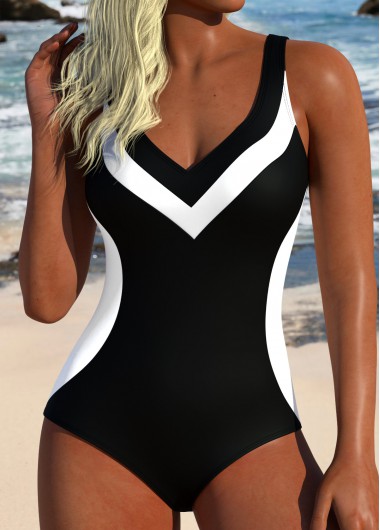
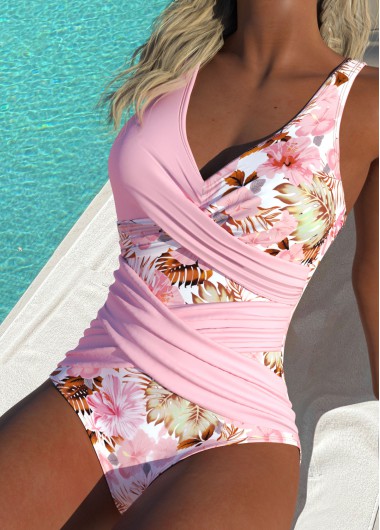
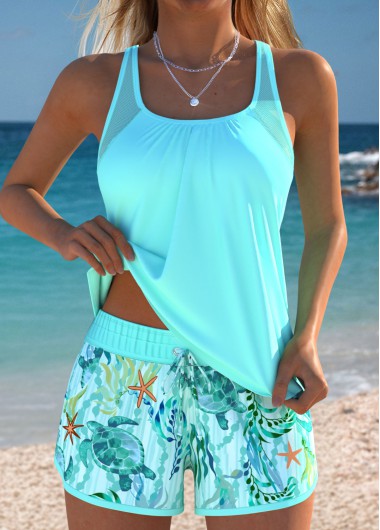
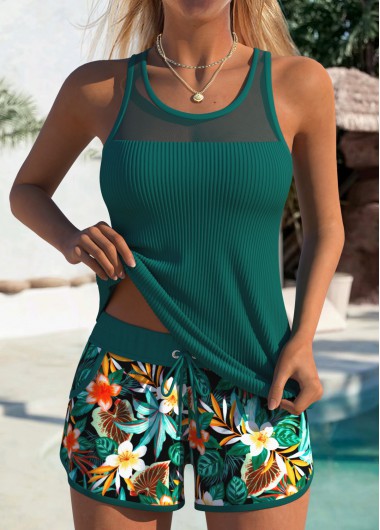
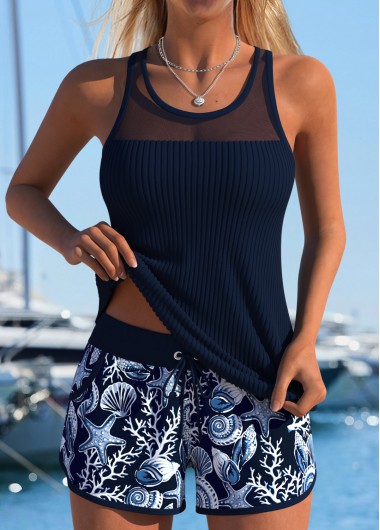
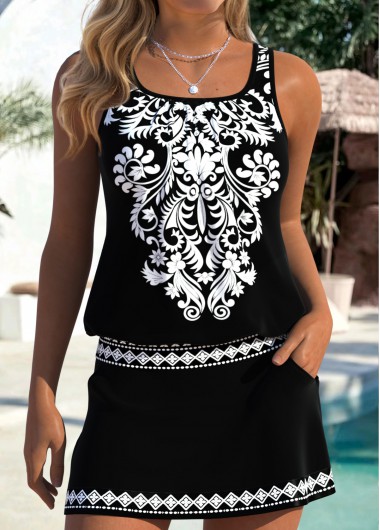
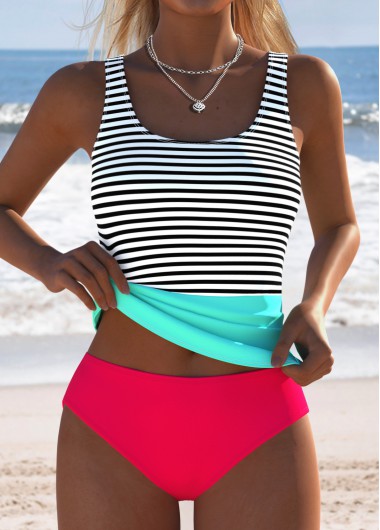
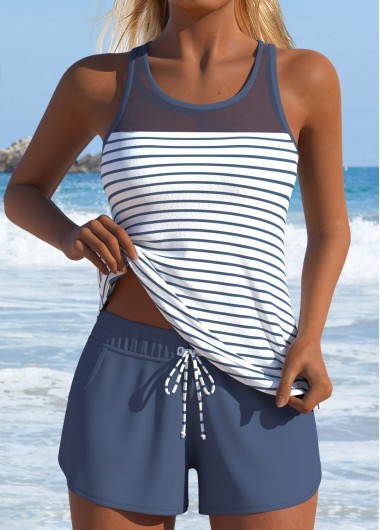
Racerback tank top swimsuits use continuous Y-shaped back panels that hug shoulder blades and carry tension toward centers of upper backs. Such geometry keeps straps anchored through overhead reaches, freestyle rotations, and breaststroke pulls. Unlike halter necklines or thin adjustable straps, racerback designs eliminate common slippage points at shoulder edges. Tank top silhouettes add lateral coverage, preventing suits from riding up during explosive movements. High-stretch fabrics act as second skins, following lats and deltoids without bagging or pinching. Round necks keep chest panels flat and minimize drag in water. Swimmers alternating between pool laps and open water benefit from full torso coverage, which reduces need for fabric adjustments between strokes. Compression-like fits provide gentle muscle support, and many athletes associate such support with improved body awareness in water. With proper hand wash care, elastic filaments retain recovery, preserving racerback structures across many training sessions. Choosing correct sizes is critical; overly loose fits compromise anchoring functions, while overly tight fits restrict breathing. Racerback tank top swimsuits work for fitness swimming, water aerobics, and any activity requiring full ranges of arm motion. They are not marketed as competition suits, but their construction borrows from sports apparel engineering, offering practical middle grounds between swimwear and activewear.
Regular water aerobics participants report that suits stay in place through entire sessions, with no mid-workout strap adjustments.
Chlorinated pool water breaks down elastane over time, causing swimwear to lose elasticity and fade. Racerback tank top swimsuits made with chlorine-resistant textiles resist repeated exposure to pool chemicals, preserving shape, color, and fit for multiple seasons. Tightly woven fabrics reduce water absorption and help suits remain lightweight when wet. Swimmers who train several times weekly benefit from lower replacement rates and more consistent performance. Full coverage constructions protect fabrics from overstretching during vigorous strokes. Hand washing and air drying add extra protection, since detergents and heat accelerate fiber degradation. No textile is immune to chlorine forever, but chlorine-resistant options offer meaningful upgrades over ordinary swimwear for anyone logging hours in pools. Such suits maintain compressive fits, so racerback designs stay effective over time. Swimmers also notice better color retention, so black training suits look professional longer. Chlorine exposure also breaks down dyes, leading to faded colors that make swimwear look worn before its time. Chemical-resistant fabrics help maintain deep tones, which is particularly valuable for black suits used in training environments. Structural integrity of seams and bindings also benefits from chlorine-resistant materials, as such components often fail first when elastane degrades. For swimmers who prefer longer workout sessions, suits that stay snug and supportive reduce skin irritation caused by loose fabric rubbing against arms and torsos. Additionally, chlorine-resistant fabrics typically require less rinsing time after pool use, although immediate hand rinsing is still recommended. Some swimmers worry that tougher fabrics feel stiff, but modern chlorine-resistant textiles combine durability with softness, stretching easily without becoming flimsy. Over the course of many swims, such functional materials prove that durability does not have to sacrifice comfort. Such performance makes suits suitable for recreational lap swimming, water fitness classes, and even casual beach swims where pool chemicals may still be present.
Long-term users report that suits hold shape noticeably longer than standard swimwear, noting that fabrics stay taut and colors remain dark after many pool visits.
High-stretch fabrics bend with bodies instead of fighting them. In racerback tank top swimsuits, spandex-like elasticity combined with racerback cuts creates nearly unrestricted ranges of motion for shoulders. Fabrics stretch longitudinally and transversally, allowing latissimus dorsi and deltoids to expand naturally during strokes. They also snap back to bodies, preventing loose fabric from catching water and creating drag. Unlike woven cottons or low-stretch knits, high-stretch materials do not bind at underarms or restrict scapulas during reaching movements. Stretch works in harmony with racerback structures: back panels provide stable anchors, while stretchable yarns allow skins to glide underneath. Rotational freedom is particularly important for open-water swimmers who need to turn torsos without feeling tugs. Additionally, high-stretch fabrics offer compression-like support, helping swimmers feel more streamlined and aware of body positions. Suits do not become flimsy; instead, elasticity returns to original shapes, maintaining reliable fits through hours of use. Round necks further eliminate choking sensations during breathing. Such designs also reduce skin chafing from strap friction, because anchored straps move less against shoulders. Swimmers who perform flip turns or open-water sighting appreciate suits that remain in place without extra tightening. High-stretch fabrics distribute pressure evenly across upper bodies, avoiding localized pinching that can occur with less flexible materials. For beginners building stroke technique, predictable feel of stretchable suits helps maintain focus on form. Overall, racerback tank top swimsuits feel less like traditional swimwear and more like athletic gear meant for water.
Comfort appears often in user reviews, with swimmers saying suits feel like athletic wear rather than traditional swimwear and allow full freedom during strokes.
Full coverage in racerback tank top swimsuits is designed to streamline, not to add volume. Tank top cuts cover midriffs and backs, but high-stretch fabrics contour to bodies, eliminating excess fabric that could look bunchy. Racerback panels create visual definition in upper backs, while round necks draw eyes upward and elongate torsos. In solid colors like black, full coverage can appear more slimming than skin-baring cuts. Lack of side ties or adjustable rings means less hardware digs into skin. Comfort improves because suits stay put; no constant need to tug at bottoms or adjust tops. Such coverage is especially appealing to older swimmers or anyone preferring modest attire without sacrificing movement. Coverage provides security, allowing wearers to focus on workouts rather than appearances. While full coverage suits historically carried frumpy reputations, modern athletic tankinis and one-piece designs with racerback styling update categories with sporty edges. Fabrics are breathable enough for extended wear, and fits are forgiving around natural curves without being baggy. Hand wash care keeps seams flat and stretch even. Athletic styling allows such suits to double as sports tops when paired with water-friendly shorts, extending wear beyond pool time. Ultimately, full coverage in racerback tank top swimsuits is about confidence and practicality, not bulk.
Reviewers frequently mention that such suits offer modest yet stylish looks, appreciating that full coverage does not mean frumpy and that racerback styling adds sporty silhouettes.
Fast Self-Service for Facebook Users.
24/7 online service available to all customers.
To avoid waiting time online, you could submit a ticket to us, our agent will respond within 1 business day.

Create Account
Create password to get more coupons!
$100 OFF
New Members only!
Create Account
Create password to get more coupons!
$100 OFF
New Members only!
$20 OFF
for text subscribe

*It includes 4 coupons
Expired:
CODE:
Expired: